Things to Do in Tuscany: Top Attractions and Hidden Gems
Picture this: rolling golden hills dotted with cypress trees, medieval towers rising above sun-drenched piazzas, and the smell of fresh truffles drifting from a stone farmhouse kitchen. That’s Tuscany — and it’s every bit as magical as the postcards suggest. Whether you’re a first-time visitor trying to figure out where to start, a budget traveler hunting for affordable adventures, or a digital nomad looking for a place to slow down and actually live, this region of central Italy delivers something rare: beauty that’s completely impossible to exhaust. In this Tuscany travel guide, you’ll discover the best attractions, lesser-known villages, outdoor activities, and budget-friendly tips to help you plan a trip you’ll be talking about for years.
Tuscany’s Must-See Cities and Top Attractions
When most people think about things to do in Tuscany, they start with the big three — and for good reason. These cities are world-class destinations that genuinely earn their fame.
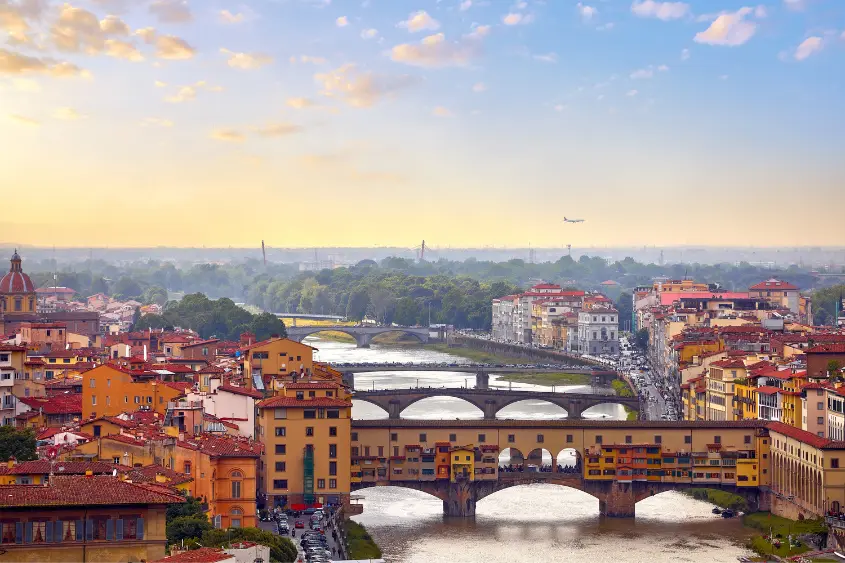
Florence is the undisputed heart of Tuscan culture. The Uffizi Gallery alone could swallow two full days — it holds Botticelli’s Birth of Venus and dozens of Renaissance masterpieces. Book tickets online at least a week in advance to skip the lines. Climb to the top of Brunelleschi’s Dome for a panorama that makes the entrance fee instantly worthwhile.
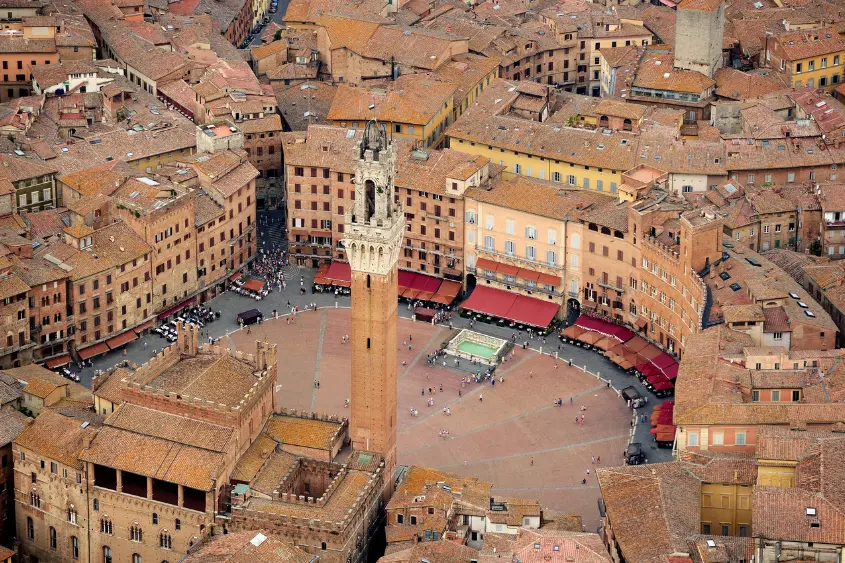
Siena is often overshadowed by Florence, which is a shame — its Piazza del Campo is arguably the most beautiful public square in Italy. The striped Siena Cathedral is breathtaking and far less crowded than Florence’s landmark sights. Visit in late afternoon when the light turns golden and the tour groups thin out.
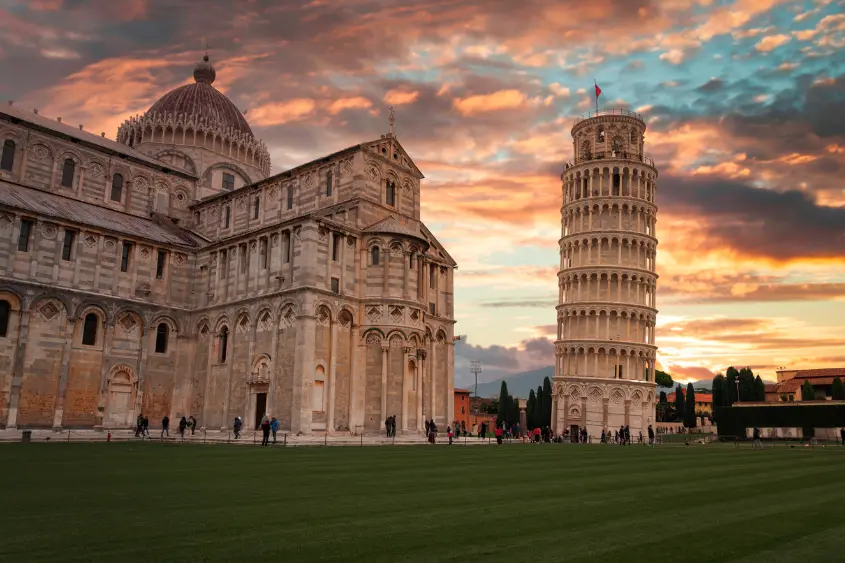
Pisa is more than its tilting tower. Spend an hour on the Campo dei Miracoli, then wander into the quieter parts of the city center, where students fill outdoor cafes and there’s not a tourist trap in sight.
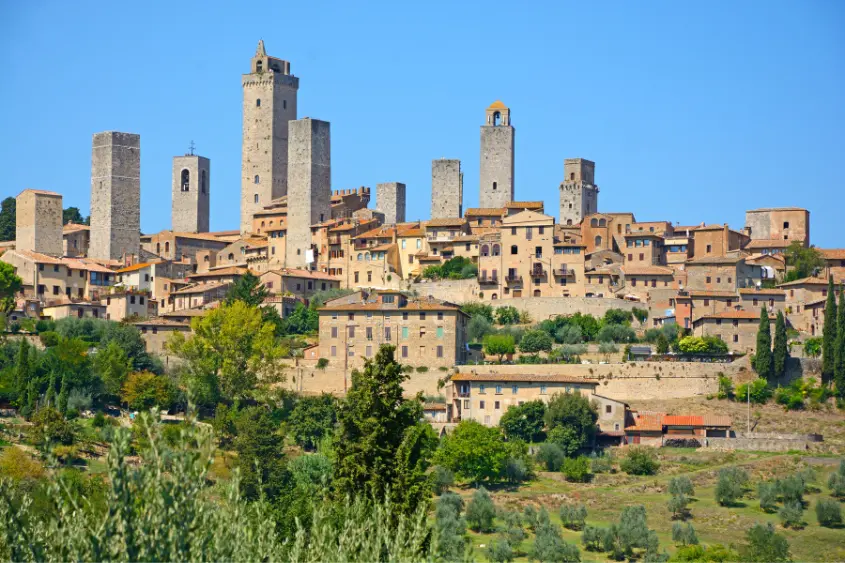
Don’t sleep on San Gimignano either — the “Manhattan of the Middle Ages” still has 14 medieval towers standing, and the Vernaccia white wine produced in its surrounding hills is worth seeking out.
Hidden Gems in Tuscany Worth Seeking Out
The real magic of Tuscany often hides in places that don’t make it onto the average itinerary. These are some of the best towns to visit in Tuscany if you want something beyond the main circuit.
- Montepulciano — A hilltop wine town that produces Vino Nobile, one of Italy’s finest reds. Walk the main corso at dusk for stunning valley views and very few fellow tourists.
- Volterra — An Etruscan city perched on a dramatic plateau. Less visited than San Gimignano but arguably more atmospheric, with alabaster workshops and an ancient Roman amphitheater.
- Pitigliano — Called “Little Jerusalem” for its historic Jewish quarter. The town literally grows out of volcanic tuff rock and looks like something from a fantasy novel.
- Bagno Vignoni — A tiny village centered around a huge thermal pool. St. Catherine of Siena used to bathe here in the 14th century. Skip the main pool (it’s preserved) and pay a few euros to soak at the nearby spa.
- Montalcino — Home of Brunello, one of the world’s most celebrated wines. A single-street hilltop town where you can taste through amazing bottles without the Chianti crowds.
LOCAL TIP
Rent a car for at least 2–3 days of your trip. The most spectacular landscapes in Tuscany — the Val d’Orcia, the Crete Senesi, the Maremma coastline — are impossible to reach properly by bus. The roads themselves are part of the experience.
Best Activities in Tuscany for Every Type of Traveler
There’s a reason Tuscany works for families, solo travelers, couples, and digital nomads alike. The range of things to do in Tuscany spans ancient history to outdoor adventure — and plenty in between.
- Wine tasting at Chianti and Montalcino estates
- Hands-on cooking classes in a farmhouse kitchen
- Cycling through the Val d’Orcia
- Soaking in the free natural hot springs at Saturnia
- Exploring art museums: Uffizi, Bargello, Accademia
- Hiking the Apuan Alps near Carrara
- Olive oil tasting at a family-run mill
- Watching the Palio di Siena horse race (July and August)
- Beach days on the Maremma coast
- Sunrise photography along cypress-lined country roads
For Tuscany activities for families, the natural hot springs at Saturnia are a crowd-pleaser — completely free, accessible year-round, and genuinely stunning. The hill towns like San Gimignano and Monteriggioni are walkable, compact, and endlessly photogenic. Horse trekking farms in the Maremma offer two-hour rides through coastal scrubland that older kids absolutely love.
Wine tours in Tuscany are best done directly at estates rather than through large group tours. Show up at a Chianti winery in the late morning, ask for a tasting (most cost €10–20 and include cheese), and you’ll often get a spontaneous cellar tour thrown in. The Fattoria dei Barbi near Montalcino and Fontodi in Panzano are perennial favorites that welcome walk-ins.
Budget-Friendly Tuscany Experiences That Don’t Cut Corners
Tuscany has a reputation for luxury — truffle dinners, private villa rentals, first-class train seats. But budget-friendly Tuscany experiences absolutely exist, and they’re often better than the expensive versions.
| Experience | Cost | Type |
|---|---|---|
| Natural hot springs at Saturnia | Free | Free |
| Climbing Florence’s Palazzo Vecchio tower | ~€12 | Paid |
| Picnic with local market produce in Siena’s Piazza | €5–10 | Budget |
| Free entry to Florence churches (San Miniato, Orsanmichele) | Free | Free |
| Agriturismo dinner at a working farm | €15–25 | Paid |
| Scenic drives through Val d’Orcia | Cost of petrol | Budget |
Staying at an agriturismo — a working farm that rents rooms — gives you a three-in-one deal: accommodation, locally grown meals, and access to the countryside that most tourists only photograph through a car window. Rates can run as low as €60 per night for a double room including breakfast.
For affordable activities in Tuscany, the single best move is to visit major museums on free days. Many Florentine state museums offer free entry on the first Sunday of each month. Show up by 8:30 a.m. — the queues form fast.
BUDGET TRAVEL TIP
Skip the tourist-trap trattorias on Florence’s main squares. Walk two streets back from the Uffizi or Ponte Vecchio and you’ll find family-run spots where a full lunch — pasta, secondi, house wine, water — costs under €15. Always ask for the “menu del giorno” (daily menu) for the freshest food at the best price.
Practical Tips for Navigating Tuscany Like a Local
Getting around Tuscany well takes a little planning. Here’s what experienced travelers know that first-timers often don’t:
- Train vs. car: Trains connect Florence, Pisa, Siena, and Arezzo well. For everywhere else, you need a car. Book your rental in advance and always take the full insurance — Italian country roads have unexpected edges.
- Best time to visit: May–June and September–October are the sweet spots. Crowds thin out, temperatures are pleasant, and the vineyards are either flowering or in harvest mode. July–August is hot, expensive, and busy; winter is quiet but some smaller towns feel shuttered.
- Dress code in churches: Cover your shoulders and knees before entering any church or cathedral. Keep a light scarf in your bag — it solves the problem instantly.
- Siesta hours are real: Many smaller shops and restaurants close from roughly 1:00–3:30 p.m. Plan your visits around this rhythm rather than against it.
- ZTL zones in city centers: Driving into historic centers is restricted. If your hotel is inside a ZTL zone, confirm your license plate with the hotel ahead of time so they can register you with local authorities — otherwise you’ll face fines weeks after returning home.
Start Planning Your Tuscany Adventure
Tuscany is one of those destinations that rewards both the hasty weekend visitor and the traveler who stays for a month. Whether you’re sketching out a first-timer’s itinerary focused on the best attractions in Tuscany — Florence, Siena, and the Chianti wine roads — or digging into the lesser-known corners of the Val d’Orcia and the Maremma coast, the region will meet you exactly where you are.
Start by picking two or three anchor towns, then build outward. Book major museum tickets at least a week ahead, grab a rental car for a few days, and leave room for unplanned detours — because the best moments in Tuscany are almost always the ones that weren’t on the itinerary. Ready to go? Italy is waiting.
Daniel Moore is the voice behind The Travel Paths, sharing travel stories shaped by culture, everyday experiences, and the quieter moments that make journeys meaningful.