How to Travel Europe on a $50/Day Budget: Tips & Tricks

Europe on a budget? Yes, it’s absolutely possible — and it’s one of the most rewarding travel challenges you can take on. Many people assume that exploring cobblestone streets, sipping espresso in sidewalk cafés, and discovering centuries of history requires a hefty wallet. The truth is, with the right mindset and a solid game plan, you can learn how to travel Europe on a $50/day budget and have the adventure of a lifetime.
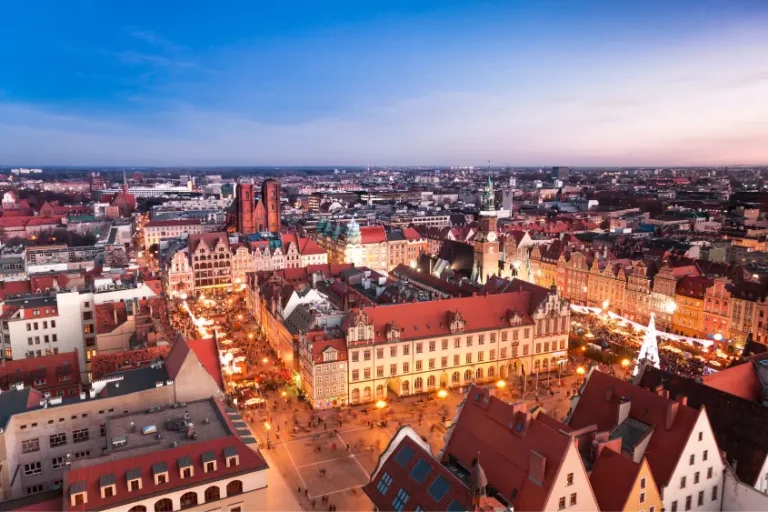
The key lies in three pillars: careful planning, smart research, and choosing the right destinations. Eastern Europe, for example, offers incredible culture and stunning architecture at a fraction of Western European prices. From Budapest to Krakow, budget travel in Europe isn’t just a dream: it’s a well-worn backpacker’s reality.
Whether you’re a solo traveler, a digital nomad, or simply someone craving adventure without the financial hangover, this guide walks you through everything you need to make cheap travel in Europe a genuine, joyful experience.
Why $50 a Day Is Possible in Europe
Europe is a continent of contrasts. While Paris and Zurich can drain your wallet in hours, huge swaths of the continent — particularly in Central and Eastern Europe — are genuinely affordable. Budget travel Europe style means understanding those price gaps and planning accordingly.
Here’s how the $50/day math actually works:
- Accommodation (hostel dorm or budget guesthouse): $10–$18/night
- Meals (street food, markets, self-catering): $10–$15/day
- Local transport (walking, buses, metro): $3–$5/day
- Sightseeing & activities (many free!): $5–$10/day
- Miscellaneous (SIM card, toiletries, etc.): $2–$5/day
The biggest levers are accommodation and food — get those right and you’re already winning. Choosing affordable cities, using budget airlines for intercity travel, and leaning into free attractions make backpacking Europe on this budget entirely realistic.
Flexibility also plays a huge role. Travel in the shoulder season (April–May or September–October) and you’ll find both lower prices and fewer crowds — a double win for the budget-conscious explorer.

Best Budget-Friendly European Destinations
Not all European cities are created equal when it comes to your wallet. These are the top affordable European destinations where $50/day is not just doable — it’s comfortable.
1. Budapest, Hungary
One of Europe’s most beautiful capitals, Budapest is a dream for budget travelers. Thermal baths cost around $15, a hearty goulash runs $4–$6, and hostel dorms start at $12/night. The city’s ruin bars, free riverside walks, and grand parliament building make it endlessly photogenic and wallet-friendly.
2. Krakow, Poland
Krakow is arguably the best value city in Europe. A bowl of żurek (sour rye soup) costs under $2, and the medieval Old Town — a UNESCO World Heritage Site — is free to wander. Budget hostels go for $8–$14/night. Don’t miss the free walking tours and the haunting Auschwitz-Birkenau memorial nearby.
3. Lisbon, Portugal
Lisbon surprises many travelers with its affordability. Pastel de nata (custard tarts) are €1 each, a full meal with wine can be under €12, and budget guesthouses are plentiful. The city’s tram rides, Alfama neighborhood, and Belém Tower offer world-class experiences at very low cost.
4. Tbilisi, Georgia
Though technically at the crossroads of Europe and Asia, Tbilisi is a rising star on the budget travel circuit. Accommodation starts at $8/night, wine (Georgia’s national pride) is shockingly cheap, and the old city is an architectural gem. It’s one of the most underrated affordable European destinations.
5. Belgrade, Serbia
Belgrade is a vibrant, gritty, and incredibly affordable city. A pint of beer costs under $2, hostel beds go for $9–$13/night, and the fortress park overlooking the Danube is completely free. The nightlife is legendary — and cheap.
6. Plovdiv, Bulgaria
Bulgaria’s second city was a 2019 European Capital of Culture and remains delightfully budget-friendly. Street food costs $2–$4, guesthouses are clean and inexpensive, and the Old Town’s Roman ruins and colorful Revival-era houses are free to explore.
7. Sofia, Bulgaria
Sofia deserves its own mention — the capital offers free walking tours, stunning Orthodox cathedrals, and a lively café scene where a coffee costs under $1.50. Daily costs here can easily dip below $35 if you’re careful.
How to Save on Accommodation in Europe
Accommodation is often the biggest budget variable. Here’s how smart travelers slash those nightly costs:
Hostels
Hostels are the backbone of budget travel Europe. A dorm bed typically costs $8–$18/night and often includes free breakfast, communal kitchens, and a built-in social scene. Book via Hostelworld or Booking.com and filter by ratings — a well-reviewed hostel beats a cheap bad one every time.
Couchsurfing
The Couchsurfing app connects travelers with locals offering a free couch or spare room. Beyond saving money, it’s one of the best ways to experience a city through a local’s eyes. Always read reviews carefully and trust your instincts.
Airbnb & Private Rooms
For stays of a week or more, Airbnb private rooms in Eastern European cities can undercut hostel prices. Look for monthly discounts and kitchenette access — cooking your own meals dramatically cuts food costs.
Camping
In summer, camping across Scandinavia, France, and the Balkans can cost $5–$12/night. Apps like Park4Night and Campspace help you find free and paid campsites. Wild camping is legal in many Scandinavian countries under the ‘right to roam’ laws.

Eating on a Budget in Europe: Affordable Meal Options
Food is culture — and you don’t need to spend big to eat well across Europe. Here’s how to fuel your adventures cheaply.
Street Food & Local Markets
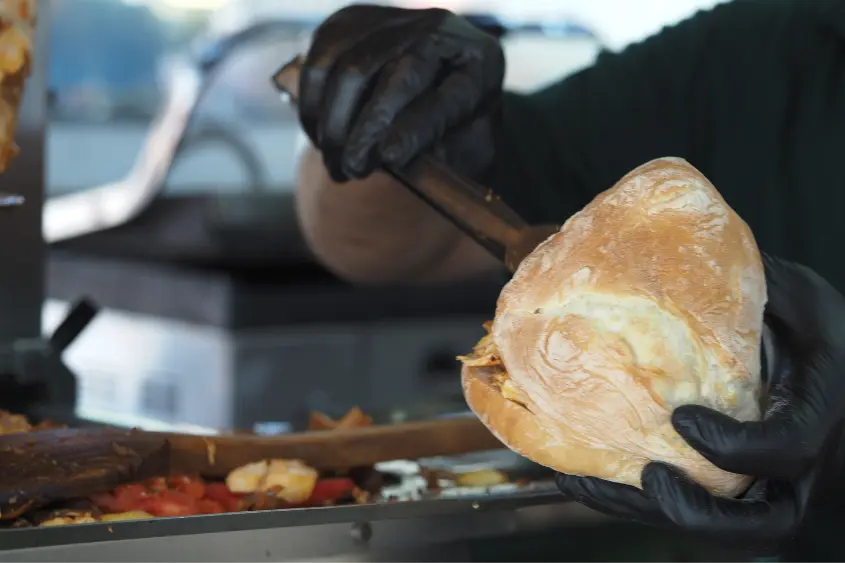
Street food is your best friend. Grab a kebab in Berlin ($3), a langos in Budapest ($2), a pasty in Cornwall, or a slice of pizza in Rome ($1.50). Local food markets like Budapest’s Great Market Hall or Lisbon’s Mercado da Ribeira offer fresh produce and prepared meals at rock-bottom prices.
Budget Restaurants & Set Menus
Many European countries offer a ‘menu del día’ or ‘lunch set’ — a multi-course meal for $6–$10. In Spain, Portugal, and Poland especially, this is how locals eat on weekdays. Avoid tourist-trap restaurants on main squares; walk one block inland for dramatically better prices.
Self-Catering
If your hostel or Airbnb has a kitchen, use it. A supermarket haul — bread, cheese, eggs, pasta, vegetables — can feed you for $5–$8/day. Lidl and Aldi have stores across most of Europe and are exceptionally budget-friendly.
Tap Water & Free Refills
In Western Europe, tap water is safe and free. Carry a refillable bottle. In restaurants, always ask for ‘tap water’ rather than bottled — it’s free in the UK, Ireland, Germany, and most Western nations.
Getting Around Europe for Cheap: Transportation Tips
Transport is where many budget travelers overspend. With a little planning, you can zip across the continent without blowing your budget.
Budget Airlines
Ryanair, Wizz Air, and easyJet regularly offer fares under $20 if booked weeks in advance. Set fare alerts via Google Flights or Skyscanner. Be mindful of baggage fees — travel carry-on only to avoid surprise charges.
FlixBus & Intercity Buses
FlixBus connects hundreds of European cities with fares starting at $5–$10. It’s slower than flying but you save on airport hassle and often get a scenic journey. Book early for the cheapest seats. BlaBlaCar (ridesharing) is another excellent option in France and Germany.
Trains & Eurail Pass
Train travel is scenic and romantic but can be pricey without planning. Book advance tickets directly through national rail operators (DB in Germany, SNCF in France) for significant discounts. A Eurail Pass makes sense for some itineraries — compare costs before buying.
Local Transport: Walk, Bike & Bus
Within cities, walk wherever possible — most historic centers are compact and endlessly rewarding on foot. City bikes (Velib in Paris, Nextbike in many cities) cost $1–$3/day. Day transit passes often beat per-journey pricing if you’re making more than three trips.

Free and Cheap Activities in Europe
Europe on a budget doesn’t mean missing out on the good stuff. Some of the continent’s most memorable experiences cost absolutely nothing.
Free Walking Tours
Almost every major European city has a free walking tour (tip-based). These tours are usually led by passionate local guides and cover the city’s best highlights in two to three hours. Search on Freetour.com or Airbnb Experiences for options in your destination.
Museums with Free Entry
Many world-class museums offer free entry — sometimes always, sometimes on specific days. The British Museum and National Gallery in London are always free. The Louvre is free for under-26 EU residents. Many German museums have free Sunday afternoons. Research your destination’s free museum days before you go.
Parks, Nature & Street Life
Europe’s parks, coastlines, mountains, and historic squares are free and extraordinary. Hike in the Julian Alps of Slovenia, wander Lisbon’s Alfama district at golden hour, cycle Amsterdam’s canal rings, or picnic in Hyde Park. The continent itself is the attraction.
Local Events & Festivals
Check local event calendars for free concerts, street festivals, and cultural events. Midsommar in Sweden, the Fête de la Musique in France (June 21st), and countless Christmas markets across Germany are free or very low cost and deeply local experiences.
Start Your Budget European Adventure Today
Traveling Europe on a $50/day budget is one of the most achievable and rewarding challenges a traveler can take on. As we’ve explored, the formula is straightforward: choose affordable cities, sleep smart, eat like a local, move cheaply, and fill your days with the continent’s extraordinary (and often free) culture and nature.
The truth is, budget-friendly Europe travel often leads to richer experiences than luxury tourism. When you eat at a market stall, stay in a social hostel, or join a free walking tour, you connect with the real heartbeat of a place — and with fellow travelers who share your sense of adventure.
So start planning. Pick one of the affordable European destinations from this guide, set your daily budget, and take the leap. Your $50/day European adventure is waiting — and it’s going to be extraordinary.
Daniel Moore is the voice behind The Travel Paths, sharing travel stories shaped by culture, everyday experiences, and the quieter moments that make journeys meaningful.