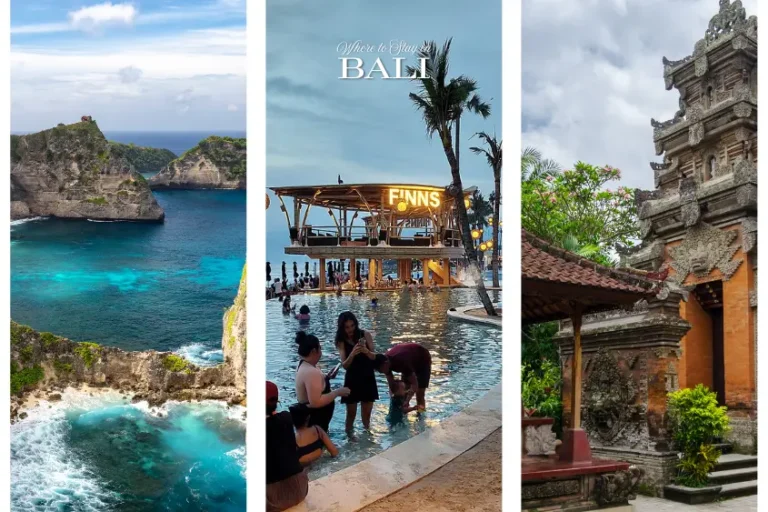
25 Best Things to Do in Bali for Every Traveler
Bali isn’t just a destination — it’s a feeling. The moment you step off the plane, something shifts. Maybe it’s the warm air laced with incense, or the sight of a woman balancing a flower offering on her head as she crosses the street. Whatever it is, Bali grabs you.
This island has something for everyone. First-time travelers get ancient temples and picture-perfect rice terraces. Budget travelers get some of the cheapest, most delicious food in the world. Digital nomads get fast Wi-Fi, co-working cafés, and a thriving remote-work community. If you’re looking for the best things to do in Bali, you’ve come to the right place. This Bali travel guide covers it all — practically, honestly, and without the fluff.
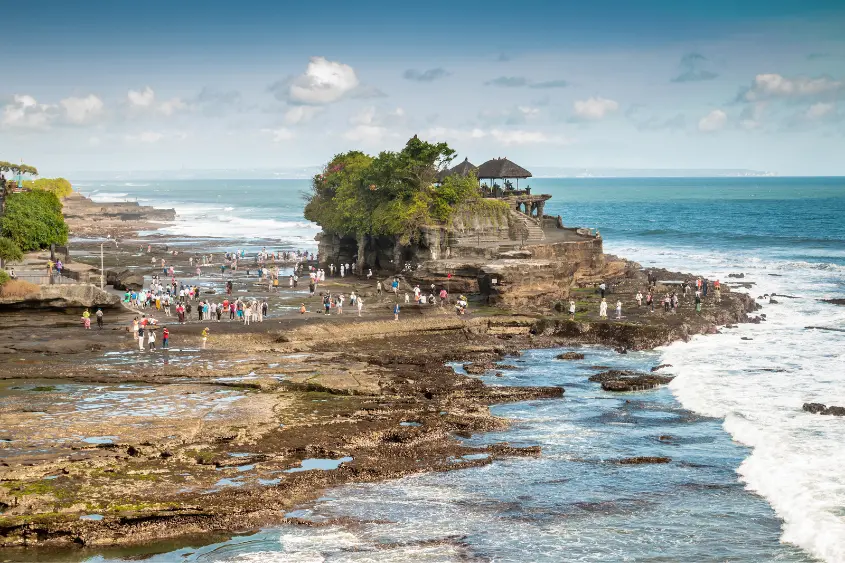
1. Watch Sunset at Tanah Lot Temple
Tanah Lot is one of Bali’s most iconic attractions — a Hindu sea temple perched on a rocky outcrop surrounded by crashing waves. At sunset, the sky turns amber and the silhouette of the temple against the ocean is genuinely breathtaking.
Practical tips:
- Entry fee: IDR 60,000 (~$4 USD)
- Arrive at least 90 minutes before sunset — the parking lot fills fast
- Bring a sarong or rent one at the gate for IDR 5,000
2. Hike Mount Batur at Sunrise
One of the top Bali adventures you can do is hiking an active volcano in the dark and watching the sun rise above the clouds from 1,717 meters. The trail takes about 2 hours and is manageable for most fitness levels. At the summit, guides cook eggs in volcanic steam vents — one of those travel moments you won’t forget.
Practical tips:
- Most tours depart Ubud around 2–3am
- Cost: $35–$50 USD per person (includes guide, transport, breakfast)
- Always go with a licensed guide — do not attempt solo

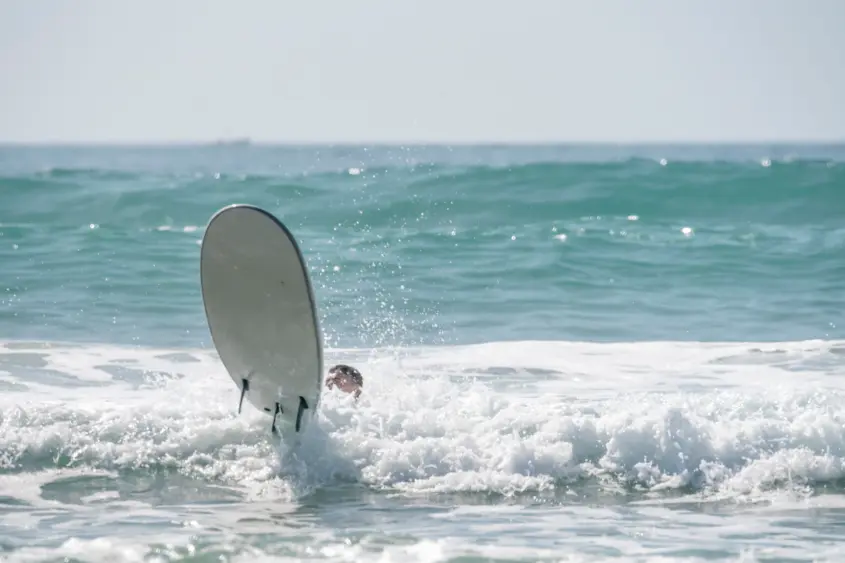
3. Surf Kuta, Canggu, or Uluwatu
Bali’s surf scene is world-class at every level. Kuta is perfect for beginners with gentle waves and plenty of surf schools. Canggu suits intermediate surfers with a laid-back vibe. Uluwatu and Padang Padang are powerful reef breaks for experienced surfers only.
Practical tips:
- Beginner surf lesson in Kuta: IDR 150,000–200,000 (~$10–$13 USD)
- Includes board rental and rash guard
- Most first-timers stand up within the first hour
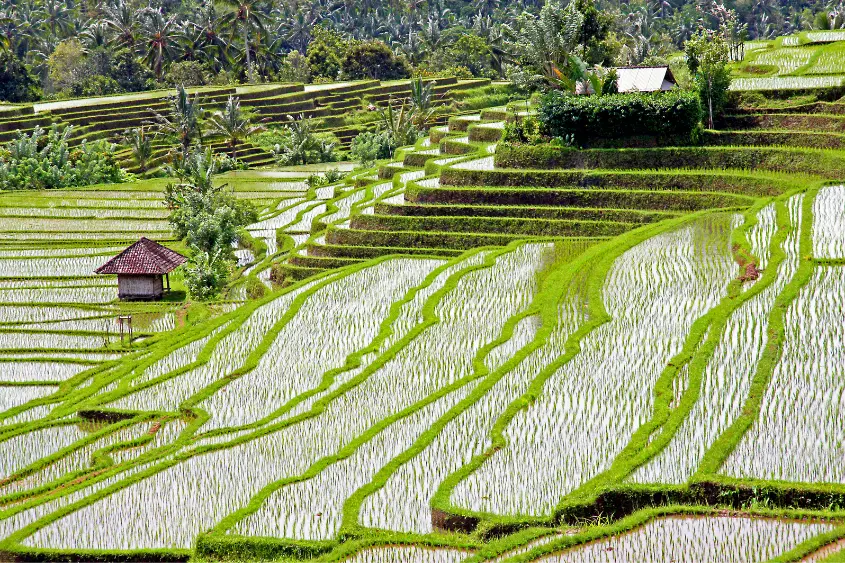
4. Walk the Tegallalang Rice Terraces
The emerald-green terraces north of Ubud are UNESCO-listed and more stunning in person than in any photo. The subak irrigation system that feeds them dates back to the 9th century. Walk the narrow paths between the paddies early morning — before 8am — when mist still hangs over the fields.
Practical tips:
- Entry is free, but local landowners charge IDR 10,000–15,000 ($0.65–$1) to walk their paths
- Go early to avoid crowds and get the best light for photos
- Wear shoes you don’t mind getting muddy
5. Get a Traditional Balinese Massage
Bali is one of the world’s great wellness destinations, and a traditional Balinese massage is the most accessible part of that culture. Using acupressure, skin rolling, and aromatherapy, it’s a deeply relaxing full-body technique passed down through generations.
Practical tips:
- Cost in Ubud: IDR 100,000–150,000 (~$6.50–$10) for 60 minutes
- Stick to mid-range spas with Google reviews — they’re far better than the cheapest sidewalk options for barely more money
- Many spas also offer flower baths, reflexology, and herbal scrubs

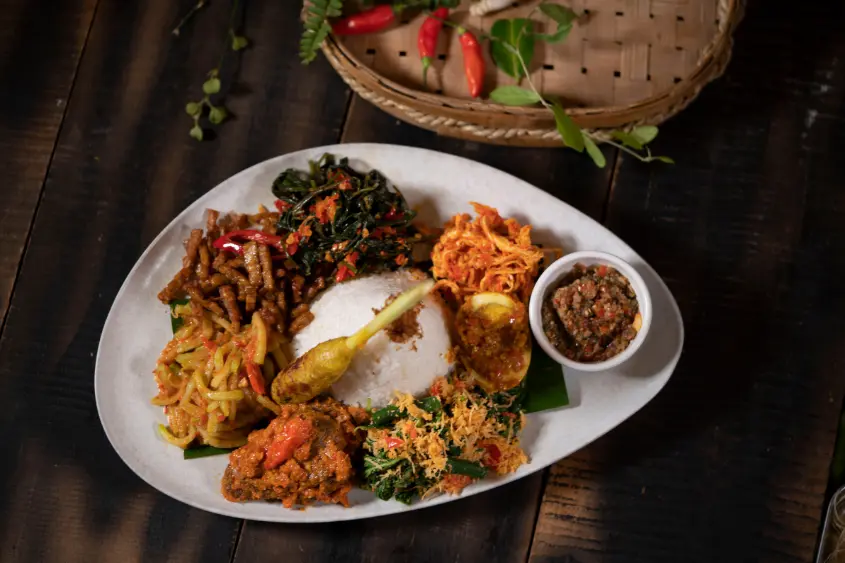
6. Eat at a Warung and Visit a Night Market
The best food in Bali is also the cheapest. A warung — a small family-run restaurant — is where locals eat every day. Order nasi campur (rice with assorted sides), mie goreng (fried noodles), or babi guling (roasted suckling pig) for $1.30–$2.60 per meal.
For evenings, the Gianyar Night Market is one of Bali’s most authentic food experiences — dozens of stalls, real local dishes, and almost no tourists.
Must-try dish: Sate lilit — minced fish pressed onto lemongrass skewers and grilled over coconut husks. Found at almost every warung on the island.
7. Explore Ubud Art Market and Seminyak Boutiques
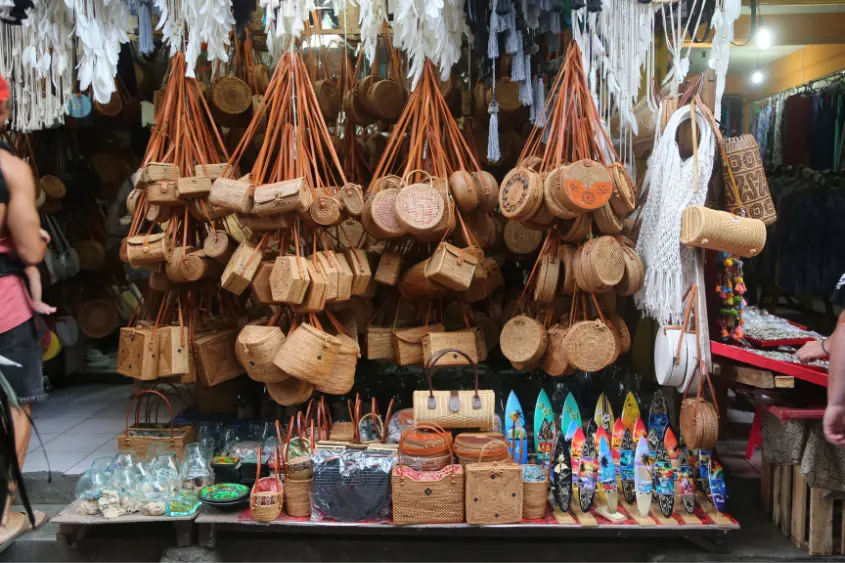
Ubud Art Market (Pasar Seni Ubud) is the go-to spot for hand-carved wood, batik fabric, silver jewelry, woven baskets, and paintings. Negotiate firmly — expect to pay 40–60% of the opening price.
For curated shopping, Seminyak and Canggu have independent designers, surf brands, and artisan shops that are worth a few hours of browsing.
Practical tips:
- Market opens around 8am — come early for the best selection
- Bring cash (IDR) — most market stalls don’t take cards
- Don’t feel pressured to buy; it’s perfectly fine to browse and walk away
8. Go White Water Rafting on the Ayung River
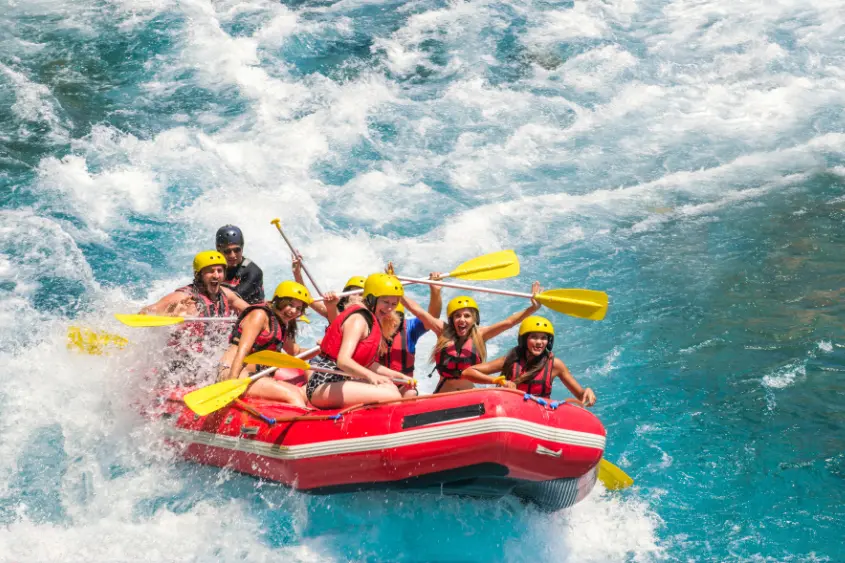
The Ayung River cuts through a jungle gorge with 15 kilometers of Class II–III rapids, waterfalls, ancient stone carvings, and rice terraces visible from the water. It’s one of the best Bali adventures for anyone who wants a rush without extreme risk — suitable for most ages and fitness levels.
Practical tips:
- Cost: $35–$45 USD per person (includes equipment, guide, transport, and a meal)
- Book through your accommodation or a reputable agency in Ubud
- Wear clothes you’re fine getting soaked
9. Witness a Balinese Temple Ceremony
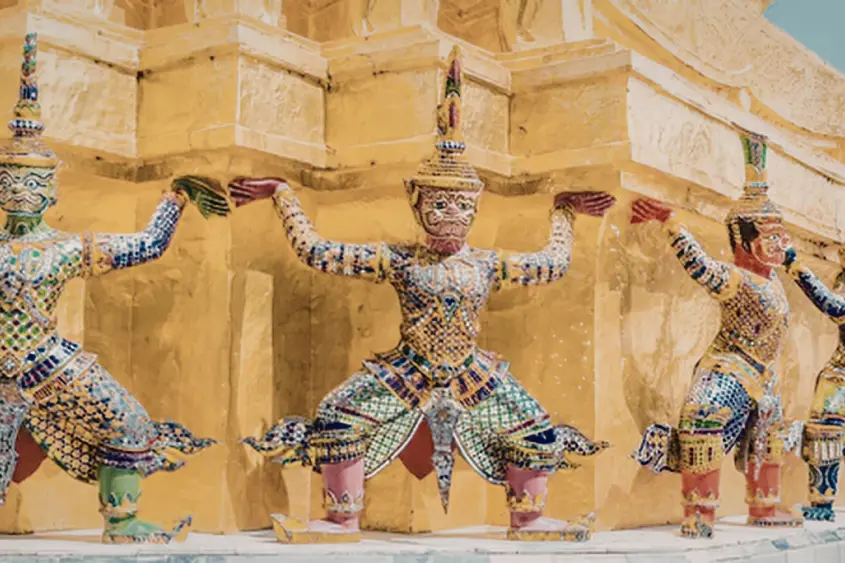
Bali has over 1,000 Hindu temples, and religious ceremonies happen almost every day somewhere on the island. If you pass a temple with women in white lace tops carrying fruit-and-flower offerings — you’re witnessing one of the most genuine cultural experiences available to any traveler. Observe respectfully or ask if you may join.
Etiquette rules:
- Always wear a sarong inside or near temple grounds
- Never enter during a ceremony unless explicitly invited
- Keep voices low and cameras respectful — this is an active place of worship
10. Work Remotely from Canggu’s Cafés and Co-working Spaces
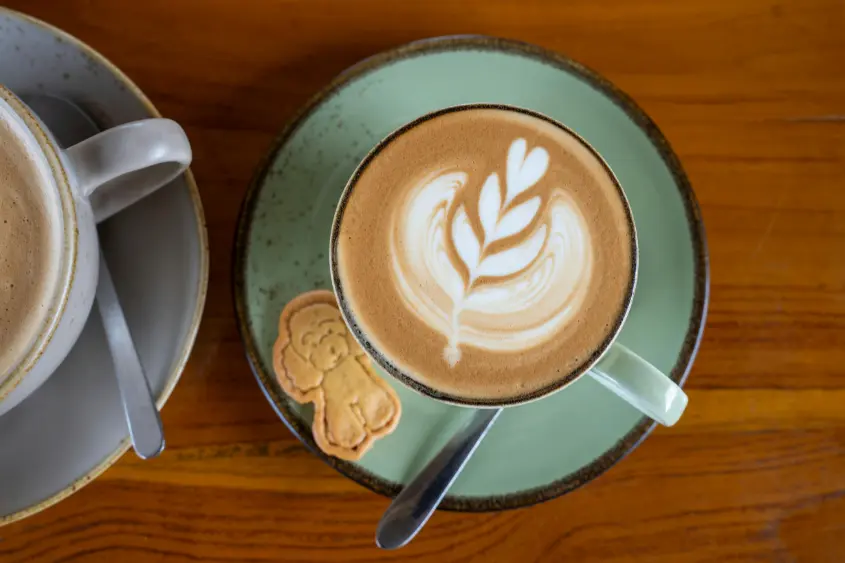
For digital nomads, Canggu is one of the best-developed remote work hubs in the world. Co-working spaces like Dojo, Outpost, and Livit offer gigabit fiber, ergonomic setups, and a built-in community of fellow remote workers. Dozens of cafés will host you all day on the price of a few coffees.
Practical tips:
- Monthly co-working memberships start around $120 USD
- Most cafés have reliable Wi-Fi — always ask for the speed before settling in
- The nomad community in Canggu is active — check Facebook groups and Meetup for events
Whether you’re chasing volcano sunrises, riding your first wave, eating $2 noodles at a family warung, or setting up your laptop in a jungle café — Bali delivers in ways few destinations can match.
The best things to do in Bali aren’t hidden — they’re everywhere, waiting for you to show up. Start planning, book your flights, and let Bali do the rest.
Ready to go? Start researching flights to Ngurah Rai International Airport (DPS) and plan your visit around the dry season (April to October) for the best weather.
Daniel Moore is the voice behind The Travel Paths, sharing travel stories shaped by culture, everyday experiences, and the quieter moments that make journeys meaningful.