Is Mexico City Safe for Tourists? An Honest 2026 Guide
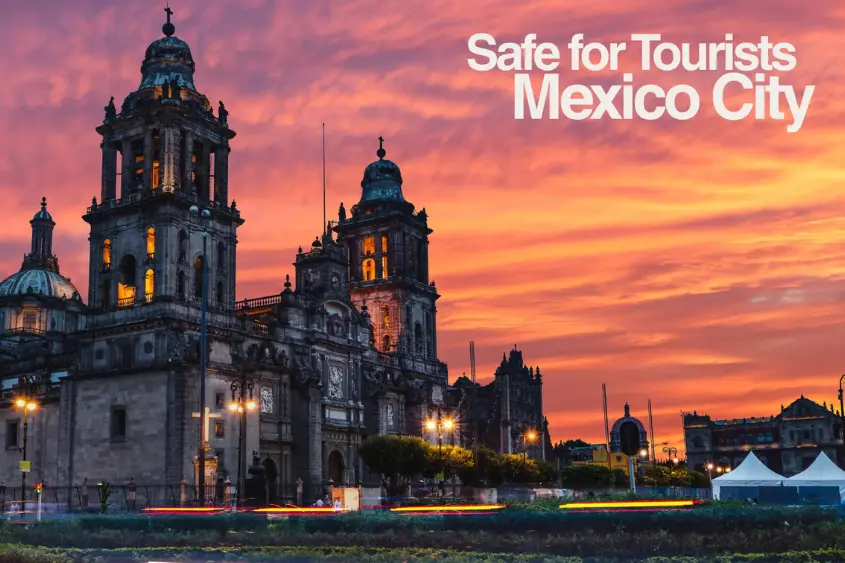
Mexico City carries a reputation for danger that, for most tourists, simply doesn’t match reality. The cartel headlines that dominate the news rarely have anything to do with where travellers actually go. So let’s answer the real question honestly: is Mexico City safe for tourists in 2026? The short version is yes – if you choose the right neighborhoods and use normal big-city sense. CDMX safety is intensely local; two streets can feel like two different worlds. Get that one decision right and the rest falls into place.
This guide breaks down the official advisory, the safe neighborhoods, the areas to skip, the scams to know, and the handful of habits that keep you out of trouble.
What the travel advisory actually says
The US State Department rates Mexico City at Level 2: “Exercise Increased Caution” – the same level as France and the UK. That’s worth sitting with, because the headlines suggest something far scarier. Level 2 means be aware and take normal precautions; it does not mean “don’t travel.” The dreaded Level 4 “Do Not Travel” warnings apply to specific states – Colima, Guerrero, Michoacán, Sinaloa, Tamaulipas, and Zacatecas – not to Mexico City. Mexico’s advisory is issued state by state, so judge your destination, not the country as a whole.
Some perspective with numbers: Mexico City’s homicide rate sits around 7.9 per 100,000 and has fallen steadily from its 2018 peak – lower than several major US cities that nobody thinks twice about visiting. And crime in the main tourist neighborhoods is significantly lower than the citywide figures suggest.
The safe neighborhoods (where you’ll actually stay)
This is the most important part of the whole guide. Stick to these areas and CDMX feels as safe as any major Western city:
- Roma Norte & Condesa: the leafy, walkable heart of tourist CDMX: cafes, cocktail bars, parks, boutique hotels. Lively day and night, heavy expat and visitor presence, private security on many blocks. The default base for first-timers.
- Polanco: the upscale “Beverly Hills” of the city: luxury hotels, embassies, designer shops, top museums, and a visible security presence. Polished and very safe.
- Coyoacán: historic, artsy and family-friendly, with cobbled streets and a calm, local feel (Frida Kahlo’s Casa Azul is here).
- San Ángel and the Reforma corridor: also solid, well-patrolled tourist-friendly areas.
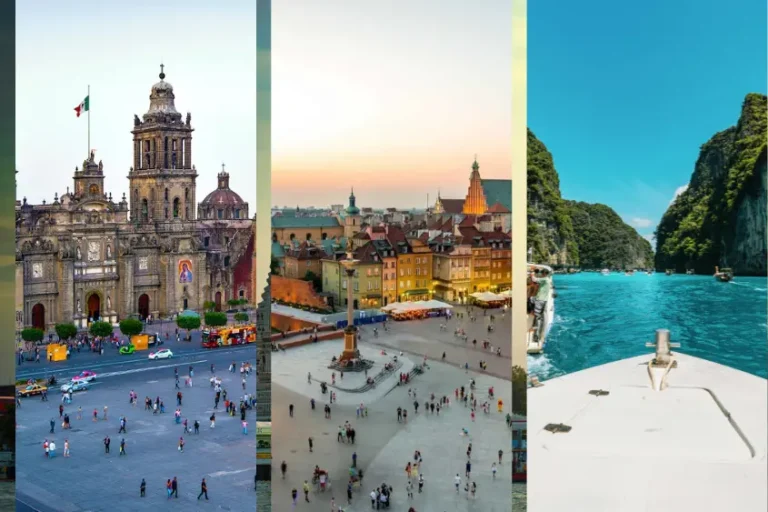
- Centro Histórico: spectacular and packed by day (the Zócalo, Templo Mayor, Madero). The one caveat: it empties and feels uneasy after dark, so see it during the day and Uber out to Roma or Condesa for the evening.
Areas to avoid
Equally important — the places most tourists have no reason to go, and shouldn’t, especially after dark:
- Tepito, La Merced, Doctores, Iztapalapa, and the peripheral neighborhoods north and east of the historic center. These are not tourist zones and carry higher crime.
- Centro Histórico after dark, as noted — fine by day, not for aimless wandering at night.
If you stay in the safe neighborhoods and Uber between them, you’ll essentially never find yourself in these areas by accident.
What crime actually looks like for tourists
The risks that genuinely affect visitors are almost entirely non-violent and opportunistic:
- Pickpocketing, especially on the metro and in crowded markets.
- Phone snatching – keep your phone in your bag while walking, not in your hand on the street.
- Taxi scams – overcharging and worse from street-hailed cabs. This is where most tourist horror stories start.
- Express kidnapping (brief, forced-ATM-withdrawal incidents) exists, but is uncommon in the main tourist polygons and far more associated with street taxis and unfamiliar areas at night.
Violent crime against tourists in the established visitor neighborhoods is comparatively rare. The crimes you should plan around are the petty ones.
Safety habits that eliminate most of the risk
- Use Uber or DiDi, never street taxis. This single habit removes a huge share of tourist risk – ride-hailing is tracked, logged, and priced upfront. From the airport, use official taxi stands or a pre-booked transfer.
- Choose your base wisely – Roma Norte, Condesa, or Polanco for a first trip. Your neighborhood matters more than anything else on this list.
- Don’t flash valuables – leave the expensive watch at home, use a low-key day bag, keep your phone away on the street.
- Use ATMs inside banks, during the day, and cover your PIN. Skip standalone street ATMs.
- Don’t drink the tap water — stick to bottled or filtered. (This is a stomach issue, not a crime one, but it ruins trips.)
- Avoid political demonstrations. Marches are common around the Zócalo and Reforma, especially in 2026 (an election year). They’re usually peaceful but can disrupt transport and occasionally escalate.
- Don’t buy drugs, and don’t wander unfamiliar areas alone late at night. Share your location with someone, save 911 (yes, it’s 911 in Mexico), and learn a few basic Spanish phrases – it changes your whole experience.

Is Mexico City safe for solo female travelers?
Broadly yes, and plenty of women travel CDMX solo regularly, especially basing themselves in Roma, Condesa or Polanco. “Machismo” culture exists and catcalling happens — ignore it and move on. Two practical wins: Mexico City has women-and-children-only metro cars and “pink” buses (usually at the front of the platform), and the same rules apply as anywhere – ride-hailing over street taxis, watch your drink in bars, avoid walking alone late, and share your plans. CDMX also has one of Latin America’s most active LGBTQ+ scenes, centered on Zona Rosa, which is safe and welcoming.
A couple of things first-timers don’t expect
- Altitude: CDMX sits at about 2,240m. Some people feel the elevation for a day or two — take it easy, hydrate, and go gently on the mezcal at first.
- The 2026 World Cup: Mexico City is a host city, with matches at the Azteca. Expect more visitors and elevated security around stadiums and tourist corridors — generally a good thing for safety, but book accommodation early.
So, is Mexico City safe? The verdict
Yes. For the millions who visit each year and stick to the main neighborhoods, Mexico City is a safe, exhilarating, world-class destination — rated no riskier than London or Paris, and home to some of the best food, museums and street life on the continent. The danger you see on TV is real but highly localised, and it overwhelmingly does not overlap with where you’ll be. Pick the right base, use Uber, keep your wits about you, and order the al pastor. You’ll wonder what you were ever worried about.
Safety conditions can change, and advisories are updated regularly – always check the current travel.state.gov advisory for CDMX and your exact route before you book.
Daniel Moore is the voice behind The Travel Paths, sharing travel stories shaped by culture, everyday experiences, and the quieter moments that make journeys meaningful.