Solo Travel for Beginners: What You Must Know Before You Go
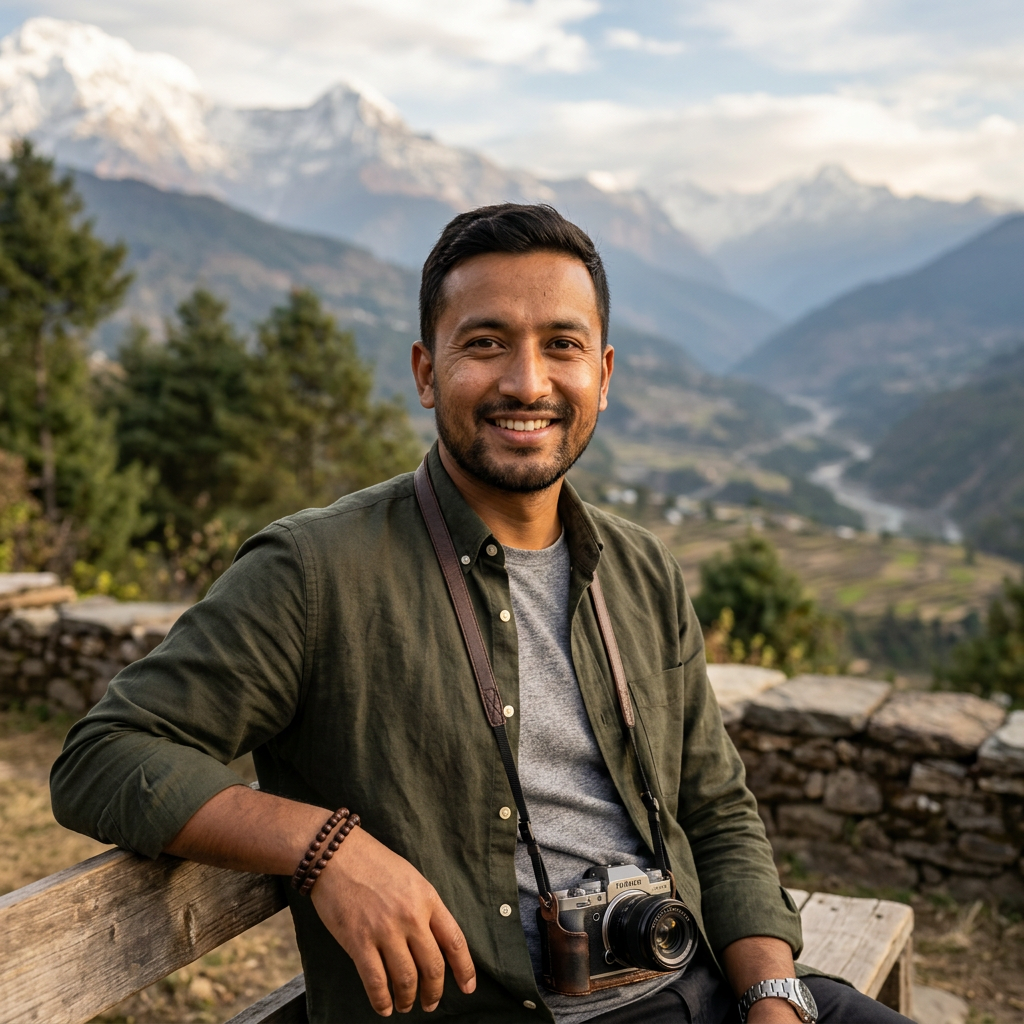
The first time you walk out of an airport alone, something shifts quietly inside you. It’s not dramatic, no movie moment, no thunderclap of self-discovery, just the slow realization that every decision from now on is yours to make. Where to go, what to eat, who to trust. That’s both terrifying and thrilling. Most solo travel for beginners remember their first solo trip not for what they saw, but for how differently they began to see everything.
The Myth of Confidence in Solo Travel for Beginners
People often imagine solo travellers as fearless nomads, effortlessly hopping from city to city with a backpack and boundless self-trust. The truth? Most of us start nervously, pretending we know what we’re doing until we actually do. The first dinner alone feels awkward, the silence at night in an unfamiliar room can be heavy, and sometimes the smallest decisions, like where to store your passport, suddenly feel like high-stakes tests.
That’s okay. Travelling alone isn’t about erasing fear; it’s about learning how to walk beside it. The fear never fully disappears; it just becomes quieter with every journey.
Planning Without Overplanning
There’s a fine line between preparation and paralysis. Beginners often swing too far either way: they either over-plan every hour or show up with nothing but optimism. Both extremes rob the experience of something.
A good solo trip begins with just enough structure to keep you safe and flexible. Book your first few nights somewhere reliable, ideally near public transport and not too far from shops or restaurants. Once you have that anchor, let the rest unfold naturally. Neighbourhood conversations often lead to better discoveries than any online top-10 list ever could. You can’t plan the moments that stay with you; they happen when your plan loosens.
Safety Is Freedom
It might sound counterintuitive, but the safest travellers are the ones who look the least worried. Overly cautious body language can attract unnecessary attention, while quiet confidence tends to deflect it. Walk like you belong, even when you don’t.
That said, trust your instincts more than any map or review. If a street feels wrong, turn around. If a ride-share driver makes you uneasy, cancel it. Take photos of your ID, keep digital copies of documents, and share your itinerary with someone you trust. These are small things that make a big difference when plans go sideways.
Think of safety not as fear-based, but as the practical groundwork that lets you fully relax once you’re in motion.
Eating Alone, Not Lonely
Here’s a truth every new solo traveller discovers: eating alone isn’t sad. It’s a skill. The first meal may feel strange, sitting among chatter and clinking glasses without anyone across from you. Then, gradually, it becomes liberating. You start tasting food differently, noticing details, like the small kindness of a waiter who doesn’t rush you, or how time slows when you’re not filling every silence with conversation.
A small trick: bring a journal or a book to ease into it. But eventually, try setting it aside. Observe the world moving around you. You’ll realise the joy of feeling invisible—not ignored, just unnoticed enough to see things others miss.
The Quiet Kind of Loneliness
There are nights when loneliness knocks. It might hit after a spectacular day or creep in quietly when the world goes still. Everyone who travels solo knows this moment. It’s not a sign you’re doing it wrong; it’s proof you’re alive to your own company.
Some travellers numb that feeling with constant movement or shallow company, but there’s more to gain in letting it breathe. Walk around, find a small café, text a friend, or join a local meet-up if it feels right. But also learn to sit with yourself. Being okay alone isn’t about rejecting people; it’s about no longer needing them to validate your experience.
Speaking with Strangers
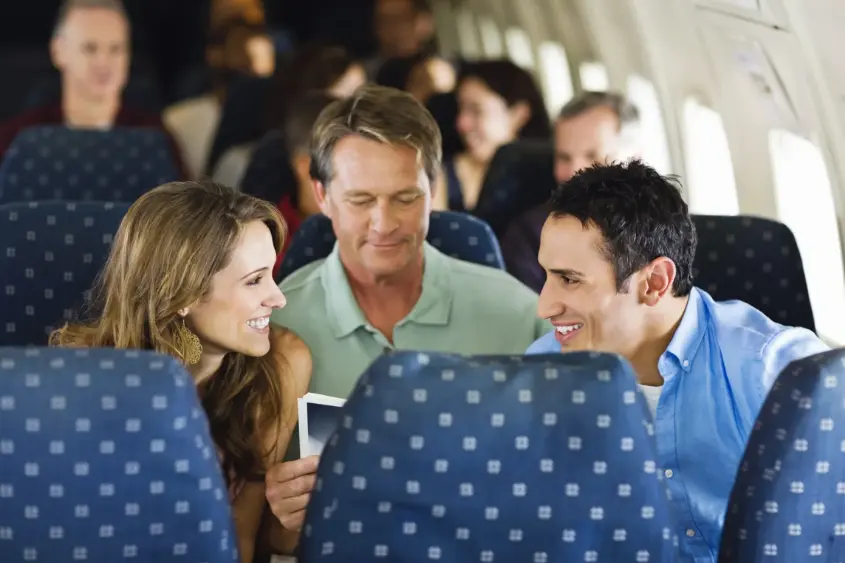
You don’t need to be fluent in every local tongue, but learning a few words transforms interactions. “Hello,” “thank you,” or “how much?” spoken with sincerity dissolves distance faster than any translator app. Locals often respond warmly to effort, even broken effort; it’s a gesture that says, I want to meet you halfway.
In a small Paris café once, I ordered coffee using clumsy French. The barista corrected my pronunciation with a grin, and we ended up chatting about music. That conversation wouldn’t have happened in perfect English. Mistakes can be bridges, not barriers.
Packing Light, Thinking Lighter
Most first-timers pack like they’re preparing for exile. But every extra item is a small weight of worry. Lighter bags mean freer movement and fewer regrets. Try packing, then remove one-third of what you think you need. You’ll thank yourself every time you climb stairs or rush to catch a train.
The same goes for mental baggage. Let go of rigid expectations. Your trip doesn’t have to “change your life” or look good on social media. It can simply be a stretch of days lived on your own terms.
Belonging in Transit
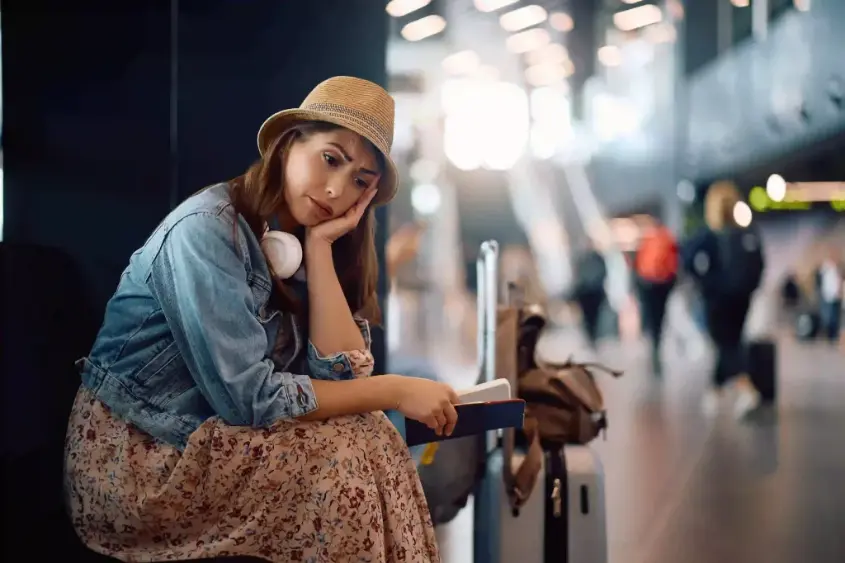
There’s something oddly comforting about train stations and airports when you’re alone. Everyone’s in motion, everyone’s between somewhere and somewhere else. You start to find rhythm in this in-between state, the murmur of announcements, the clatter of luggage wheels, the quiet recognition that solitude is shared here.
Solo travel for beginners teaches you that belonging doesn’t always mean connection to a place or people. Sometimes it’s just being fully present where you stand, with no need to arrive anywhere in particular.
The Beauty of Mistakes
You will lose things. You will miss the bus. You’ll walk the wrong way for half an hour before realising it. These moments sting, but they’re rarely disasters. More often, they turn into stories you’ll tell later with a laugh.
Every seasoned traveller has one: the night a hostel was overbooked, and they slept in a train station, the missed ferry that led to discovering a hidden village, the wrong turn that became the day’s best detour. Mistakes are the fingerprints of your independence; they prove you were there, making real choices in the real world.
Coming Home New
The irony of solo travel is that you come back with less and more at the same time. Less luggage because you realise how little you need. More perspective because now you’ve seen how vast and welcoming the world can be once you trust yourself enough to step into it alone.
You stop asking, “What if something goes wrong?” and instead start wondering, “What if something goes right?”
That small shift is what makes solo travel unforgettable. It isn’t about escaping anyone or anything. It’s about remembering that your own company can be enough, not perfect, not fearless, just enough to begin.
Daniel Moore is the voice behind The Travel Paths, sharing travel stories shaped by culture, everyday experiences, and the quieter moments that make journeys meaningful.