Safest Countries to Visit for Solo Travelers
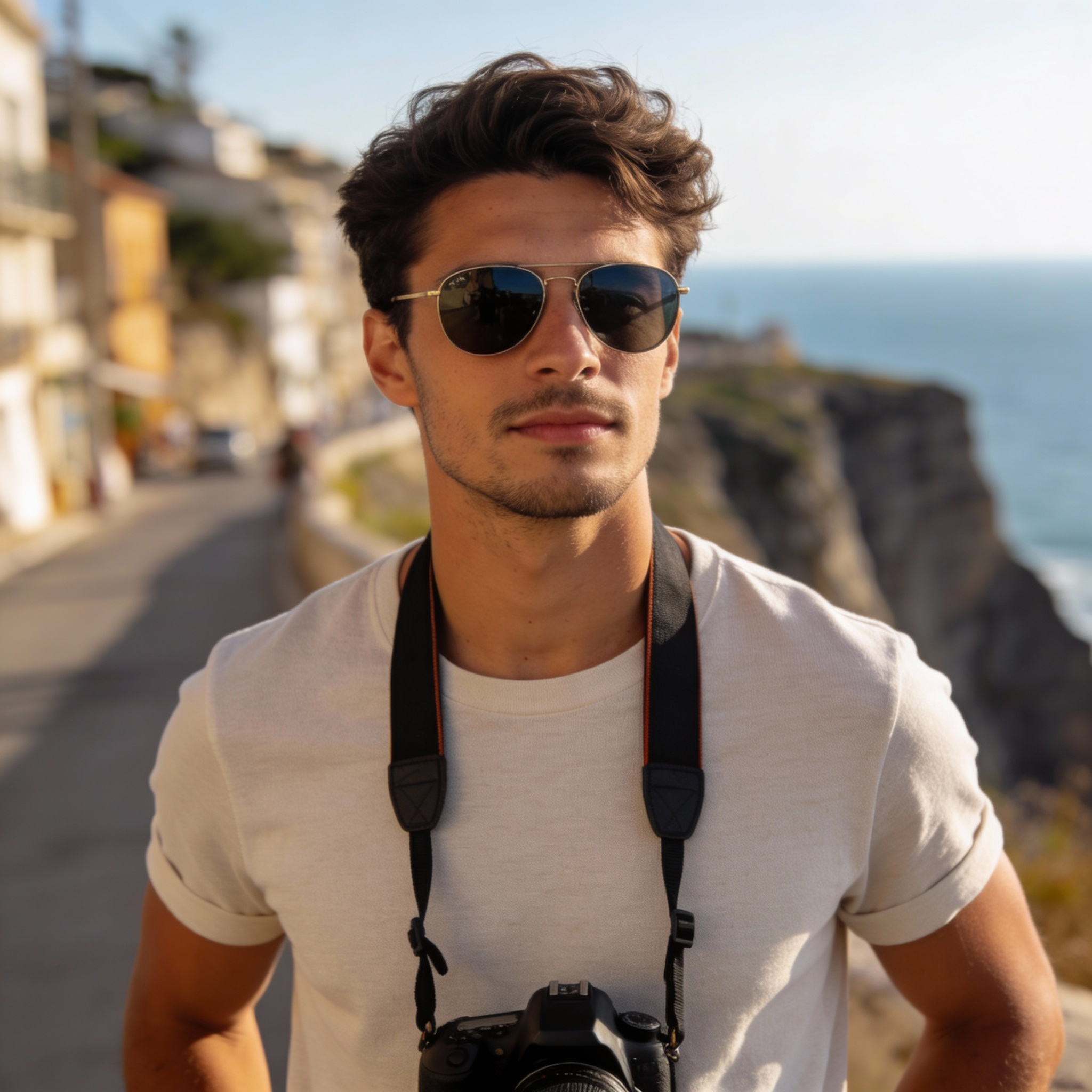
Sometimes, it’s in the quiet moments between departures that the thought hits you, what if I went alone? For many, that idea can stir both the thrill of freedom and a twinge of doubt. Traveling solo teaches you things no guidebook can, but where you go makes all the difference. While the world may feel unpredictable, there are still places that hold you gently. That’s why choosing from the Safest Countries isn’t just about statistics, it’s about peace of mind, confidence, and the freedom to explore with nothing but a backpack and your own company. Some destinations are simply built to welcome the wanderer who’s traveling solo.
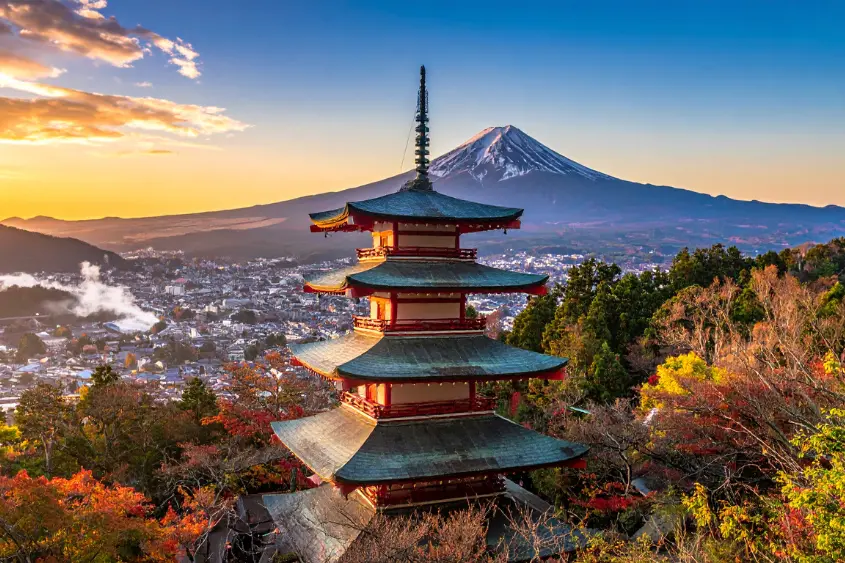
Japan
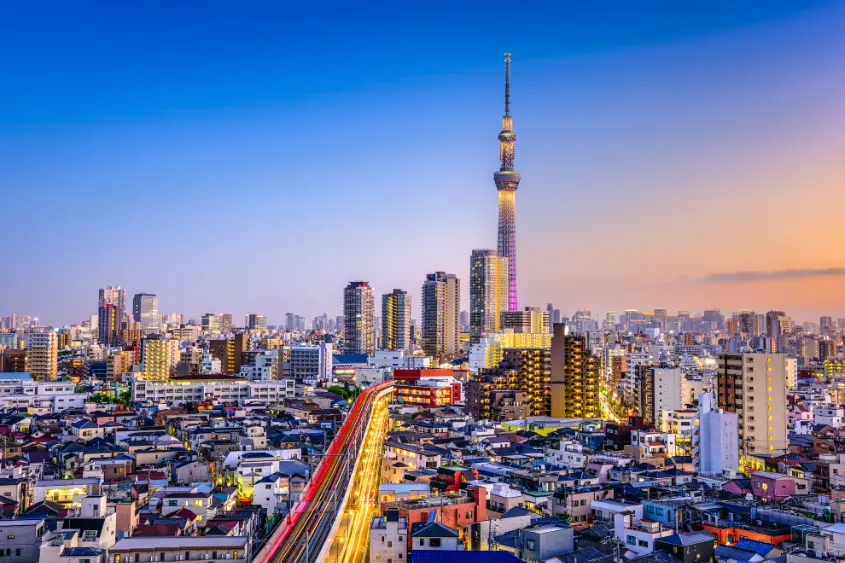
Tokyo subway signs glow in English and Japanese. A stranger jogs after you with the wallet you didn’t notice you lost. A vending machine offers hot tea at midnight on a spotless street. Japan doesn’t advertise its safety, it lives it.
What makes Japan an effortless choice for solo travel isn’t just its famously low crime rate. It’s the culture of respect that cushions every interaction. You can walk through Kyoto’s narrow Gion alleys well past dark and never feel the eyes of threat. Solo travelers often find comfort in how predictable things feel here, trains run on time, prices match labels, directions make sense.
Even eating alone feels natural. Many ramen shops are designed with single-seat booths so you can focus on the flavors, not on whether people are glancing your way. For travelers who like things quietly ordered, Japan is a masterclass in how safety and serenity can coexist without pretense.
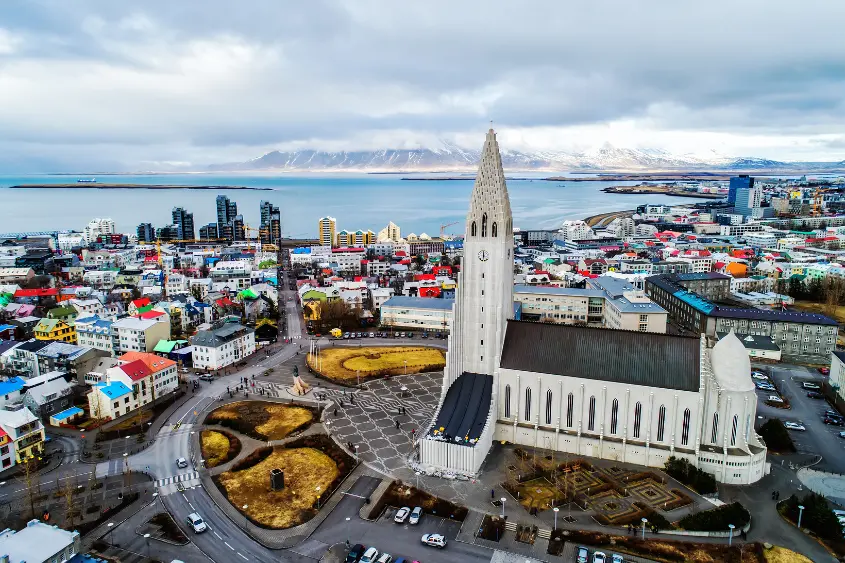
Iceland
There’s something about standing under a midnight sun or northern lights that makes you realize how little danger there is in Iceland, not just from people, but from life itself. Police officers rarely carry guns, doors are often left unlocked, and the community spirit is strong enough to warm even the coldest day on the Ring Road.
Solo travelers often confess that Iceland makes them feel both remote and protected. You can hike through Þingvellir National Park without meeting another soul, yet you never feel unsafe. The risk is not crime, it’s underestimating the weather. Iceland will never harm you intentionally, but it demands respect from those who venture into its nature. Bring layers, charge your phone, and trust that if anything goes sideways, the locals will stop, ask, and help before you even have to wave them down.
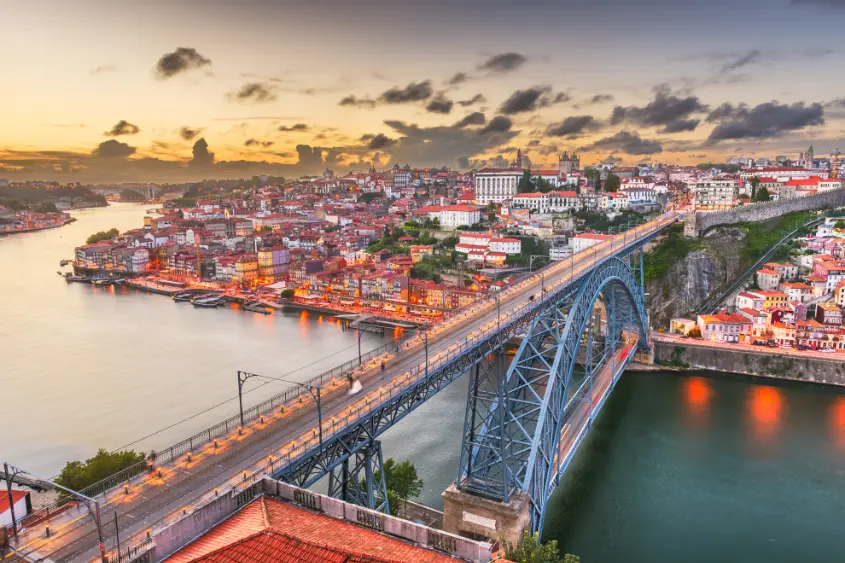
Portugal
For those who travel alone but long for company, Portugal has a way of softening the sharp edges of solitude. Maybe it’s the saudade in the air, that sweet melancholy that connects people without them trying. In Lisbon’s tiny miradouros, travelers chat freely over pastel de nata, and in Porto, an old man might share a quiet story with you on a tram ride.
Safety here doesn’t feel clinical. It feels personal. Crime is low, but kindness is high, a powerful balance for those learning to eat, explore, and get lost on their own. Public transport is easy to navigate, the language barrier never too high, and even in nightlife-heavy neighborhoods, there’s a grounded, watchful energy that keeps things calm.
For women traveling solo, Portugal often feels like the kind of place where you can be both anonymous and noticed, invisible enough to wander freely, visible enough to be looked out for.
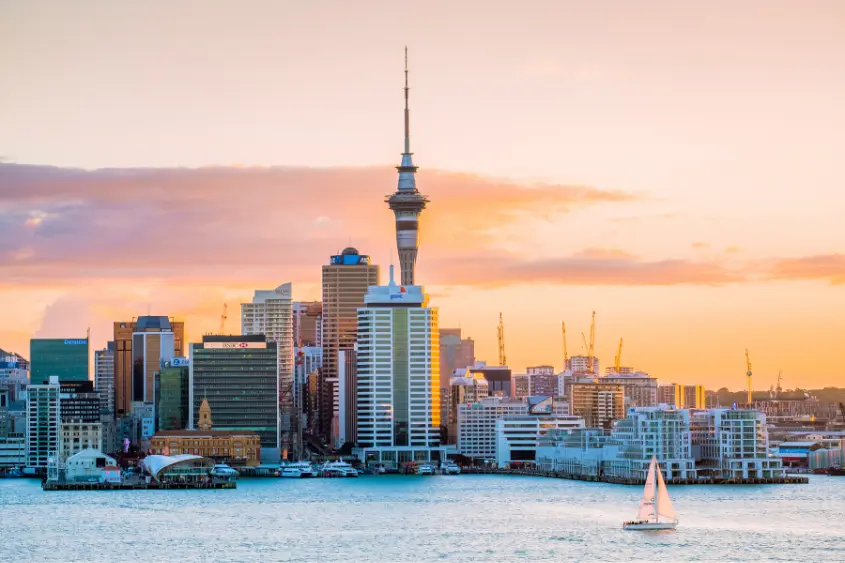
New Zealand
Not all safety looks like streetlights and cameras. Some of it looks like trust, the trust that if you break down on a gravel road outside Wanaka, someone will stop not to harm, but to help. New Zealanders call it “mateship,” and it’s something every solo traveler benefits from.
The country’s adventure culture can intimidate at first. Bungee jumping, alpine treks, remote hostels, it all sounds like the complete opposite of safety. But safety here is built into the thrill. Strict transport standards, well-marked trails, and locals who genuinely care make New Zealand one of the easiest countries to roam solo.
It’s the kind of place where you can hike alone but never feel alone. You’ll meet others doing the same, that quiet nod shared between travelers who know what it means to be safely free.
Singapore
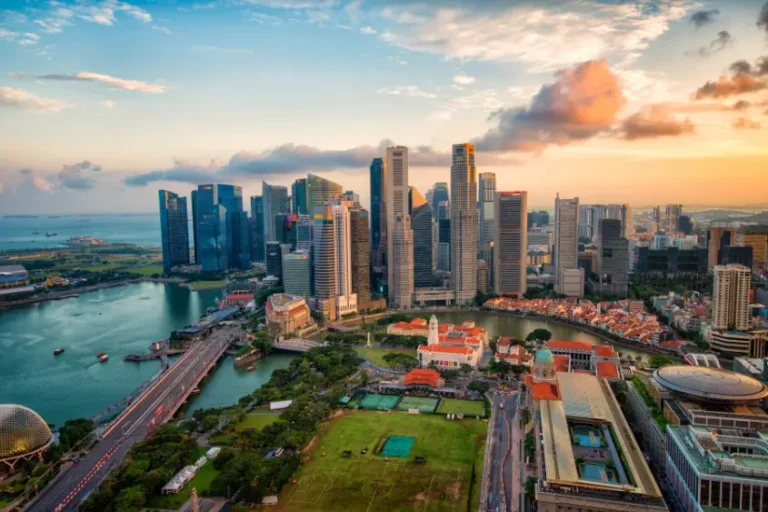
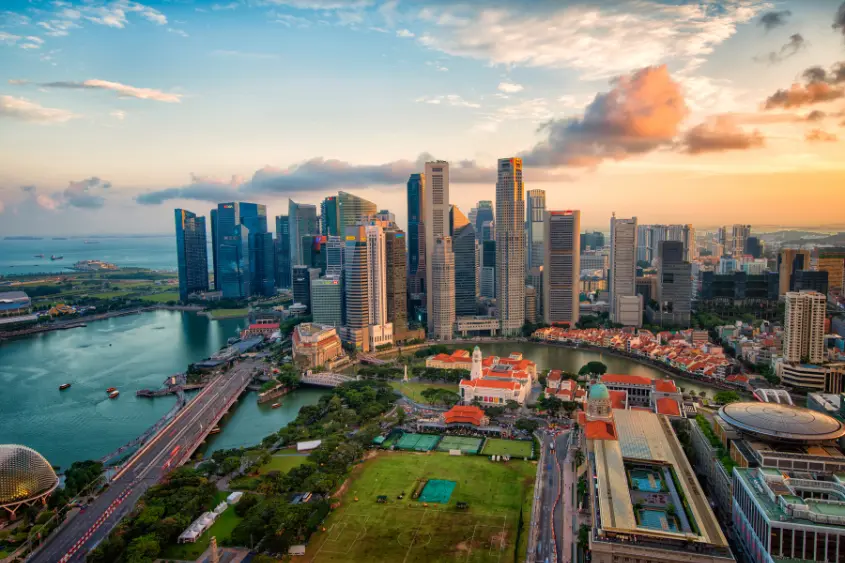
Some places make you feel safe by removing uncertainty altogether. Singapore is one of them. The laws are strict, yes, but so is the fairness of how they are applied. Streets gleam, transport runs clean and punctual, and even a late-night walk through neighborhoods like Tiong Bahru feels predictably peaceful.
For solo travelers, especially first-timers in Asia, this predictability is calming. There’s no haggling anxiety, no fear of scams, and barely a moment where you wonder if you are in the wrong place. Beyond its image of urban control, Singapore carries a low hum of kindness: hawker stall owners remembering your face, taxi drivers offering tips for hidden cafes, strangers pointing you to shortcuts without being asked.
It’s safe with a pulse, not a cage.
Canada
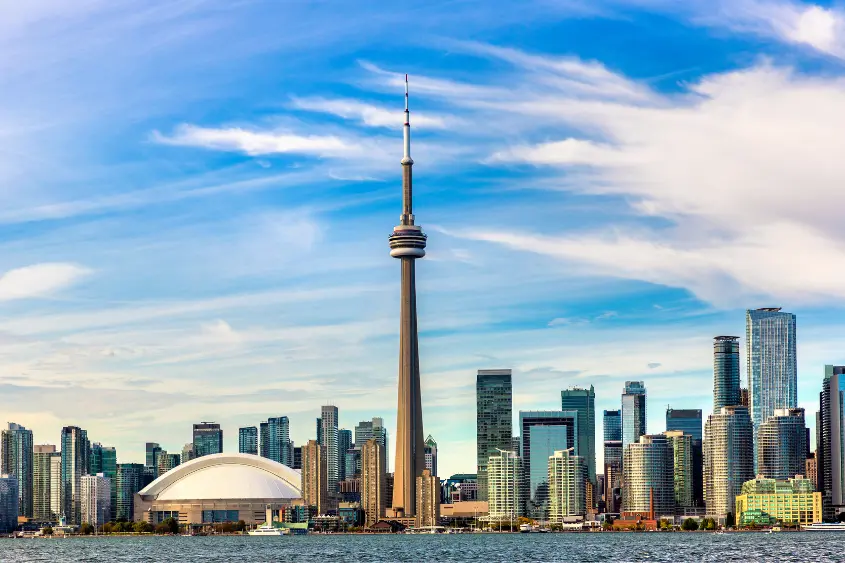
Solo travelers often talk about feeling small in Canada, but never vulnerable. The scale of it, the lakes, the forests, the polite greetings that echo even in remote corners, creates its own quiet security. Canadians are famously kind, but what really makes the country safe is its social structure: strong community norms, excellent infrastructure, and a shared sense of responsibility.
Cities like Vancouver, Ottawa, and Montréal balance urban life with natural calm. You can wander through Stanley Park alone or ride the metro late without that edge of wariness. Even better, Canada’s solo appeal isn’t limited by season. Winter travel feels secure, summer travel feels liberating, and both carry a kind of understated assurance: you are being looked out for, even if you travel under radar.
Finland
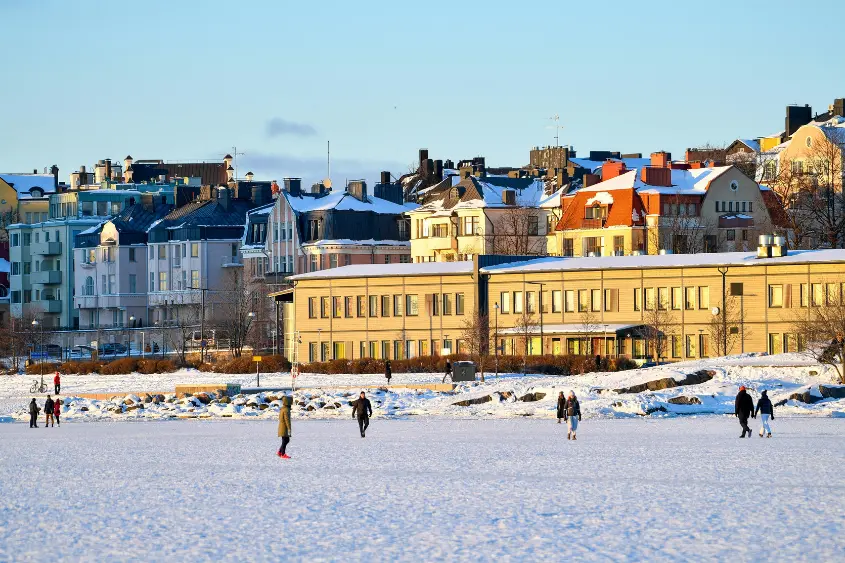
If you have ever doubted that solitude can feel safe, Finland might change your mind. This country values silence not as emptiness, but as respect. People give each other space, on trains, in forests, in conversations, and that space, ironically, makes you feel seen.
Finland ranks among the world’s safest countries year after year, but numbers rarely tell the story. The real reason solo travelers love it is the self-sufficiency it encourages. You’ll find yourself renting a cabin by a lake, lighting your own sauna, and realizing that safe travel isn’t just the absence of danger, it’s the presence of trust. Trust that you can rely on yourself.
The Bottom Line
It’s tempting to chase the idea of “safe countries” as a formula: low crime equals peace of mind. But solo travel rarely works that neatly. You might feel more at ease walking alone through Osaka at midnight than strolling through a crowded market in a well-known European city. What safety really means varies, cultural decency, infrastructure, community care, or even the quiet confidence you build after the first few days navigating somewhere new.
The truth is, safety for solo travelers isn’t just about where you go; it’s also about how the place lets you be. Some countries whisper reassurance through order, others through kindness, and a few through nature’s calm indifference.
If you are thinking of going alone this year, maybe start not by asking where will I be safest, but where will I feel most at home in my solitude. The answer, more often than not, says as much about the world as it does about you.
Daniel Moore is the voice behind The Travel Paths, sharing travel stories shaped by culture, everyday experiences, and the quieter moments that make journeys meaningful.