
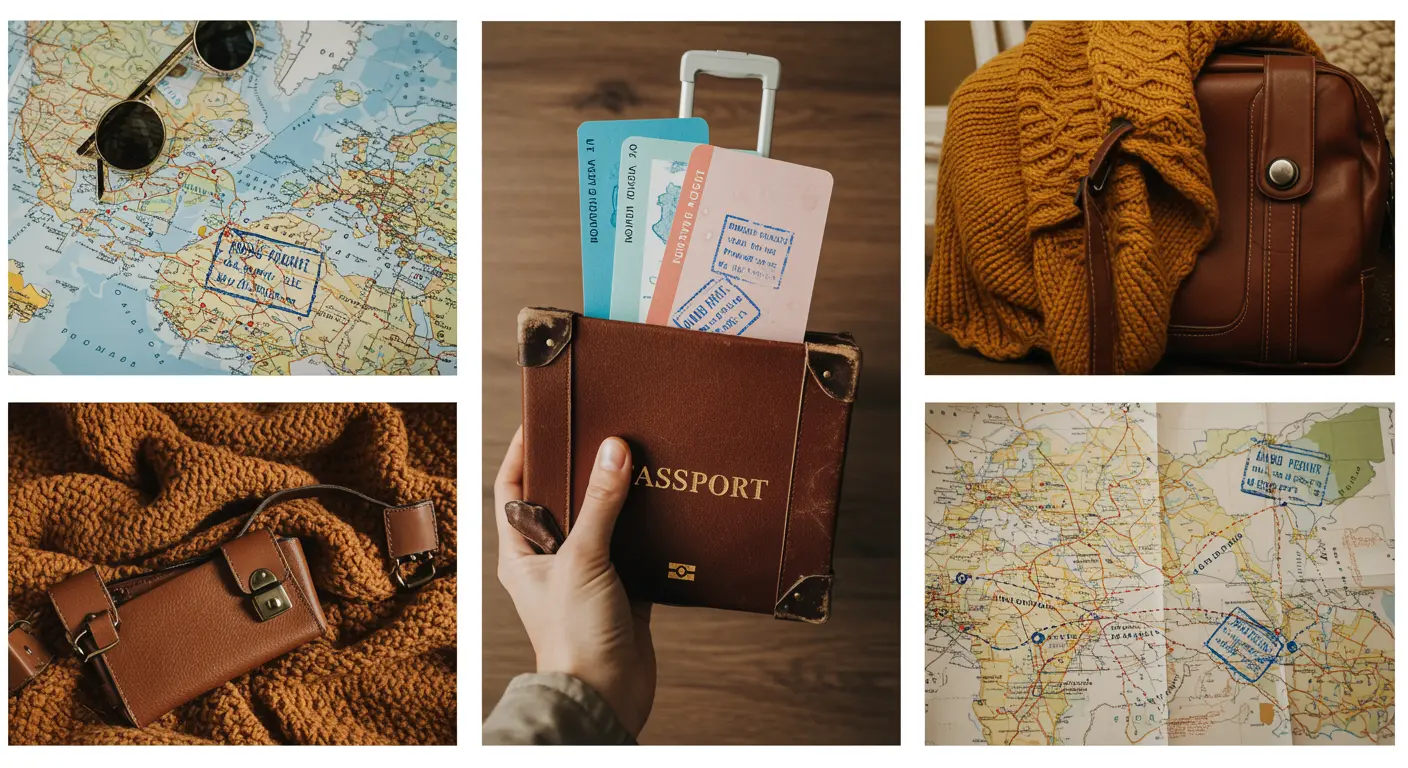
How to Plan Your First International Trip Step by Step

You have booked the ticket. Or maybe you are still staring at flight comparison tabs, paralysed by the sheer number of decisions ahead. Either way, there’s a specific kind of overwhelm that comes with planning your first international trip, not the fun, butterflies in your-stomach kind, but the “wait, do I need a visa?” kind.
Many people treat their first trip abroad like a test they didn’t study for. They read every list, save travel blogs, and still feel something’s missing. But the truth is, planning a trip abroad isn’t about doing everything perfectly. It’s more about knowing which things really matter and which things you are just worrying about for no reason.
Start With the Document Situation
Before you get romantic about itineraries and bucket-list activities, deal with paperwork. This isn’t glamorous, but it’s the difference between boarding your flight and watching it leave without you.
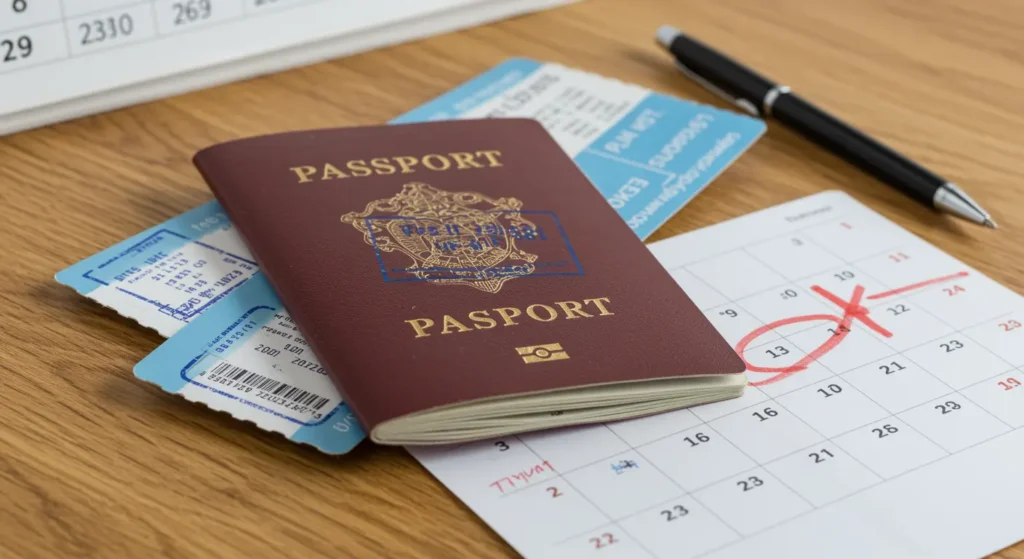
Check your passport’s expiration date right now. Many countries require six months of validity beyond your planned departure date. If your passport expires in four months and you are planning a two-week trip, you are cutting it too close. Renewal can take weeks, sometimes months, if you are not paying for expedited processing.
Then there’s the visa question, which varies wildly depending on your citizenship and destination. Some countries let you show up and get stamped in. Others require applications weeks in advance, bank statements, invitation letters, or even in-person interviews. Don’t assume that because your friend didn’t need a visa, you won’t either. Your passport matters more than their experience.
Travel insurance feels like an upsell until you need it. A basic policy covering medical emergencies and trip cancellations is worth the cost, especially if you are travelling somewhere with expensive healthcare or you’ve prepaid for non-refundable accommodations. Read what’s actually covered, though. Some policies exclude adventure activities or pre-existing conditions.
Money Moves That Matter
Telling your bank you are travelling internationally sounds like outdated advice, but card holds are still very real. Some banks flag foreign transactions as fraud and freeze your account while you are standing at a currency exchange booth in a country where you don’t speak the language. A quick call or app notification setting prevents this headache.
Carry at least two different payment methods. If one card gets declined, compromised, or stops working for mysterious technical reasons, you have a backup. ATMs abroad are usually your best bet for getting local currency at decent exchange rates, but not all cards work in all machines. Visa and Mastercard have better international acceptance than some domestic networks.
Exchange a small amount of currency before you leave enough for a taxi, a meal, maybe a tip. Airports always offer terrible rates, but having cash when you land eliminates the immediate pressure to find an ATM in an unfamiliar place. You will figure out the local cash situation soon enough, but those first few hours go more smoothly with a buffer.
Accommodation Choices That Shape Your Trip
Where you stay determines more than just where you sleep. It affects how you experience a place, who you meet, and how much energy you have each day.
Hotels offer predictability and privacy. Hostels offer community and lower prices, though the quality gap between a good hostel and a bad one is enormous. Vacation rentals give you kitchen access and neighbourhood immersion, but also mean you are handling keys, check-in instructions, and occasional landlord drama.
Location matters more than amenities. A beautiful hotel far from everything you want to see becomes exhausting quickly. You will spend more time and money on transportation, and you will miss the spontaneous wandering that often produces the best travel moments. Stay near public transit if the city has it. Stay walking distance from the action if it doesn’t.
Read recent reviews, not just star ratings. You want to know if the place is actually clean, if the neighbourhood feels safe at night, and if the photos are current. People mention the things that truly bother them in reviews: noise, cleanliness, and misleading descriptions. Pay attention to patterns, not one-off complaints.
The Itinerary Balance
Some travellers plan every hour. Others show up with vague ideas and figure them out daily. Your first international trip probably needs something in between.
Book the things that require reservations, popular restaurants, specific tours, and museum time slots but leave gaps. Travel fatigue is real. You might need an afternoon to do laundry, recover from a long train ride, or sit in a café because you are tired of being “on” all day.
Don’t try to see everything. The instinct is to maximise every moment since you’ve come so far and spent so much, but cramming in twelve activities a day means experiencing none of them properly. You will remember more from the three things you actually engaged with than from the ten you rushed through for photos.
Research enough to have opinions about what interests you, not what you are supposed to do. Every destination has its famous must-sees, and some are worth the hype. But if museums bore you, don’t force yourself through four of them because guidebooks say you should. Your trip, your preferences.

Packing Without Overthinking
You will bring too much. Everyone does it the first time. Then you will spend your trip wishing you’d brought less because hauling luggage across cobblestones or up metro stairs gets old fast.
Pack for a week regardless of trip length. You will find laundry options everywhere, and wearing clothes multiple times won’t kill you. Focus on versatile pieces that work together rather than specific outfits for specific days.
Leave expensive jewellery at home. Bring medications in original containers with prescriptions if they are controlled substances. Check the weather, but remember you can buy a jacket or umbrella abroad if needed. You are visiting places where people live normal lives, not remote wilderness. They have stores.
Download offline maps before you go. Take photos of important documents and email them to yourself. Bring a portable charger. These small preparations prevent disproportionately large problems.

The Mental Adjustment
Your first international trip will feel strange in ways you didn’t anticipate. Jet lag is different when you are navigating an unfamiliar metro system on three hours of sleep. Language barriers create friction in unexpected moments not during big tourist interactions, but when you’re trying to buy a SIM card or figure out which bus to take.
Give yourself permission to feel disoriented. Everyone who travels has experienced this once. The confusion is temporary. You will figure out local transit, find a decent coffee place near your accommodation, and develop a rhythm. Usually faster than you expect.
Daniel Moore is the voice behind The Travel Paths, sharing travel stories shaped by culture, everyday experiences, and the quieter moments that make journeys meaningful.