
Essential Travel Documents You Need Before Flying Abroad

There’s always that moment at the check-in counter when your heart skips a beat. The agent looks up and asks, “Can I see your Essential Travel Documents, please?” You hand them over, staying calm. You silently pray you didn’t misplace any. You hope you didn’t forget something important in that drawer at home. Every seasoned traveler has lived some version of that quiet panic. That’s why frequent travelers say: what you hold in your hand, not your luggage, decides if your trip starts smoothly or not at all.
Planning an international trip makes you think about packing, itineraries, and flight deals. At every airport security gate, there’s a unique kind of prep: having your documents ready. Travel has its dull side, but that’s what makes an adventure memorable instead of a bureaucratic nightmare.
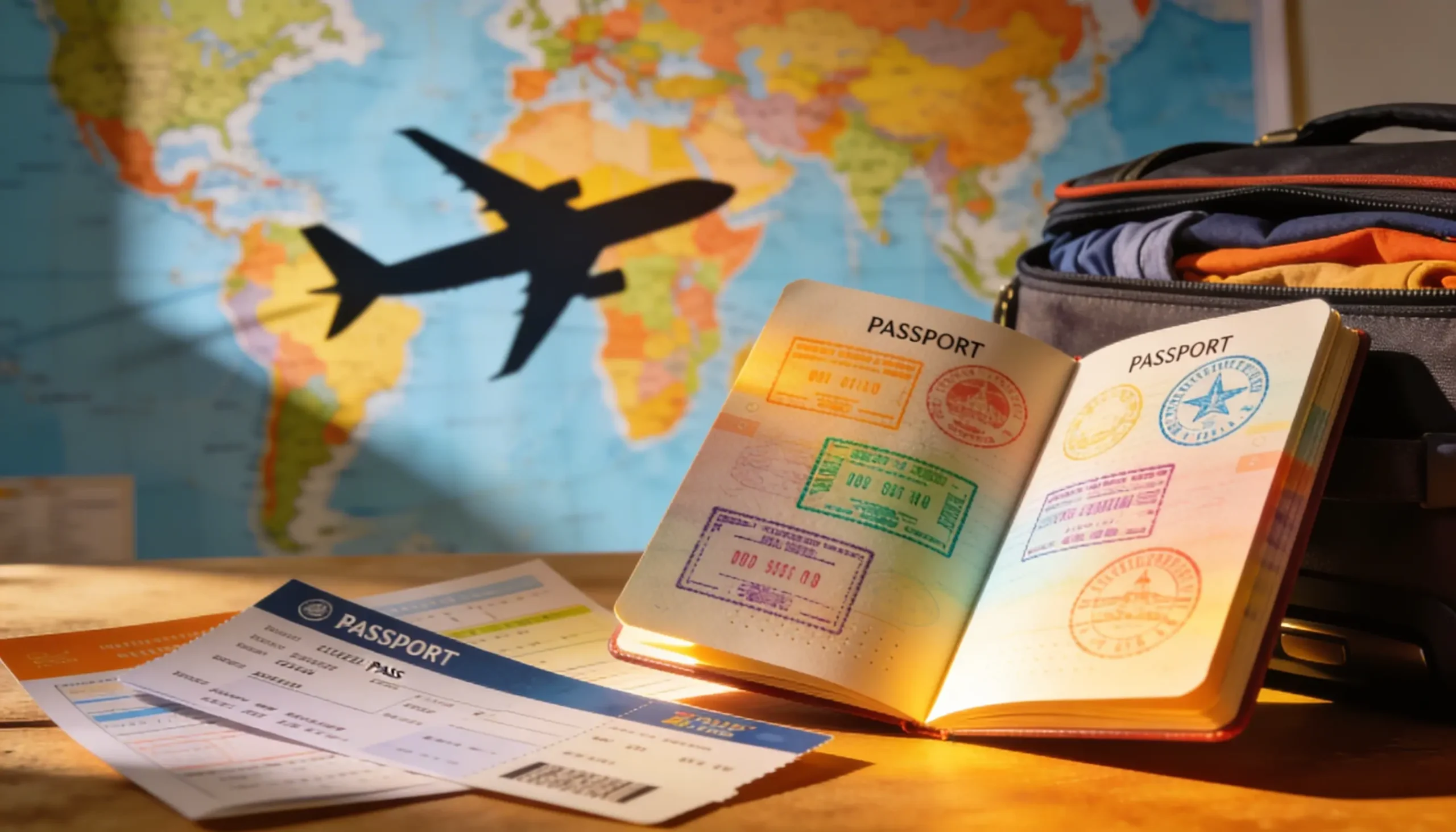
The Passport: More Than a Travel Token
A passport is often seen as just a formality. People usually grab it right before a trip and put it away afterward. But for frequent travelers, it’s almost an extension of identity. The edges fray over time; stamps collect like scars of memory. That humble booklet is not only your ticket across borders but also your silent witness to every place that’s changed you.
What most people overlook is timing. Many spots need six months of passport validity past your return date. This hidden rule has ruined many trips to the check-in counter. It may seem crazy, but wait until you hear about the couple. They planned a two-week honeymoon. However, they were denied boarding because one passport had only five months left before it expired. Renewals may take longer than you think. This is especially true during holidays or busy travel times after the pandemic. So the passport isn’t just a form of identification; it’s a timeline you must manage.
The Visa Vortex
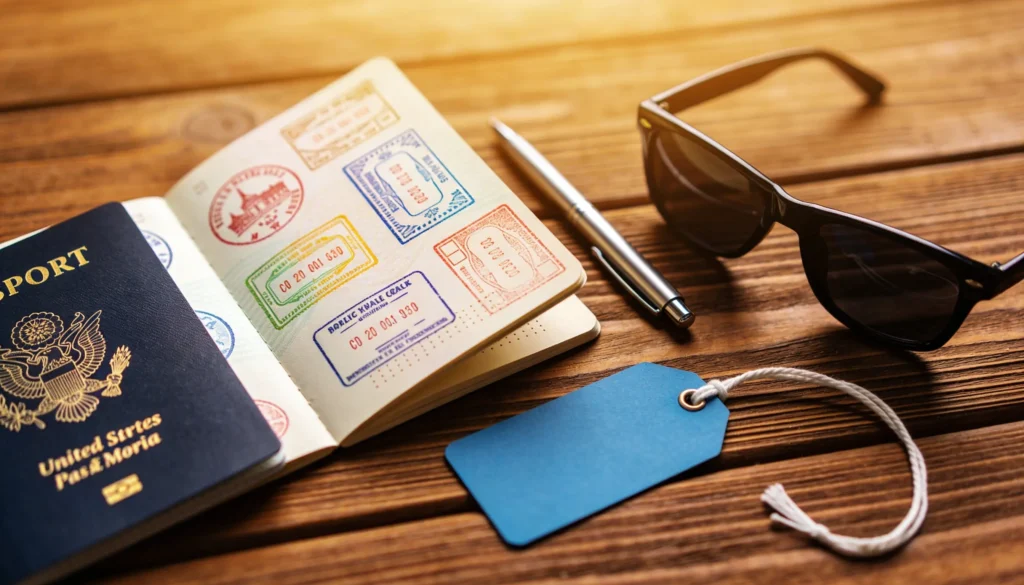
Visas are where patience and paperwork collide. Some countries make it easy, granting electronic visas within hours. Others pull you through consulates, invitation letters, and supporting documents that test your resolve. But beyond logistics lies a small, humbling truth: getting a visa is like asking to be let into someone else’s home. You are essentially presenting your story, your intentions, and your means and hoping they are convincing enough.
There’s also the unspoken politics of visas. The strength of your passport dictates how freely you can move, a reminder that travel freedom isn’t equally distributed. For some, applying for a Schengen or U.S. visa means weeks of preparing proof of employment, property, or savings all to demonstrate they’ll come back. Yet, those who have done it will agree, the quiet moment that approval stamp lands, it’s not just permission it’s possibility incarnate.
Electronic Travel Authorizations (like the U.S. ESTA or Canada’s eTA) blur the line between visa and waiver. They seem quick and easy but can still trip you up if ignored. Airlines now verify these pre-flight, and without one, you might never make it past check-in. So even “visa-free” travelers need to double-check hidden prerequisites hiding behind that phrase.
Flight Itineraries, Bookings, and the Paper Trail of Proof
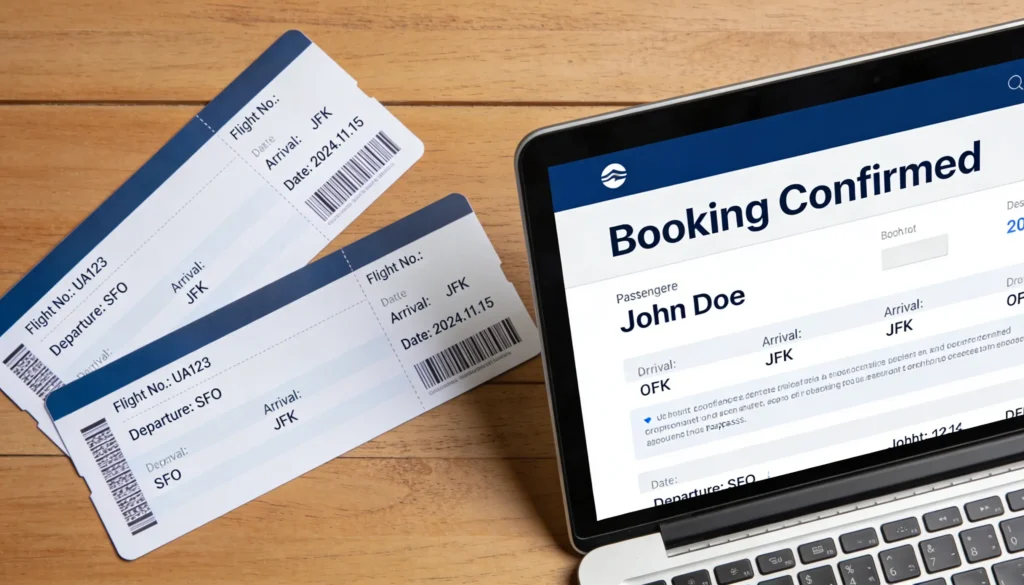
Not all documentation sits in an envelope. Some are digital reservations, confirmations, health clearances each one a small validation that you belong on that flight. Immigration officers often ask for proof of onward travel. That one question “When are you leaving?” has stranded many travelers scrambling to show a return ticket or a documented exit plan.
These requirements aren’t paranoia; they are border control’s way of ensuring stability. Still, the irony is, in an age of digital tickets, so much depends on your phone’s battery or an email attachment opening correctly. Many experienced travelers print at least one hard copy of critical documents not out of nostalgia, but survival instinct. Airport Wi-Fi and dead batteries have a way of teaching humility.
The Hidden Weight of Travel Insurance
Insurance never feels necessary until it does. Every traveler knows someone who’s lost a bag, gotten food poisoning, or worse, needed hospitalization abroad. Yet insurance paperwork often ends up an afterthought, buried under flight itineraries. What’s fascinating is how much those few pieces of paper (or app confirmations) can protect your finances, reputation, and peace of mind.
Some countries like Thailand or parts of Europe now mandate proof of coverage that meets minimum thresholds for medical care. Skipping this step doesn’t just risk out-of-pocket expenses; it can mean denial of entry. Beyond legality, travel insurance is an act of foresight. It says, “I acknowledge that travel isn’t perfect, and I’m prepared to face the part that isn’t beautiful.”
Health, Vaccinations, and the Return of the Yellow Card
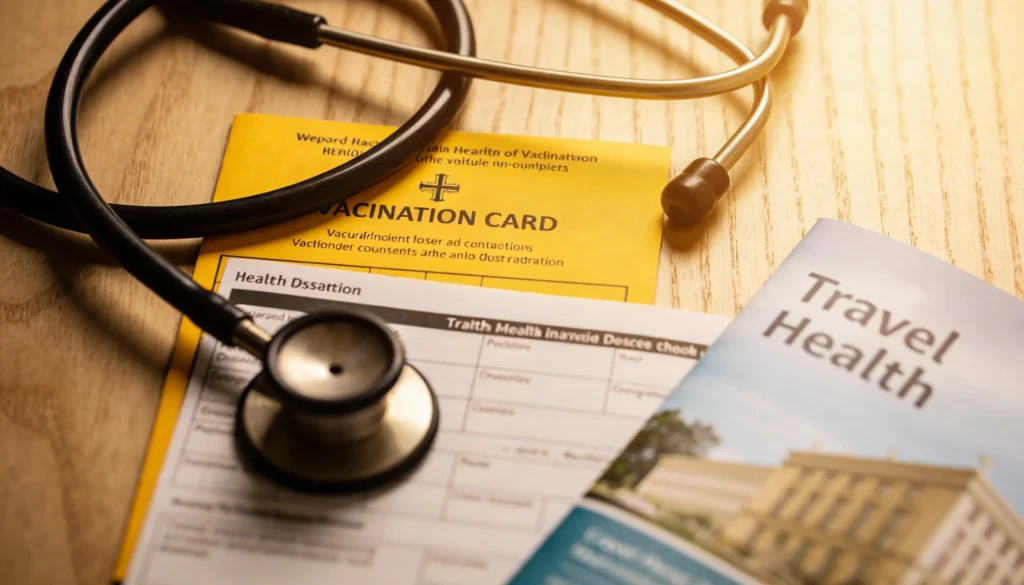
Before 2020, few travelers thought much about health certificates. Now, it’s almost second nature to check vaccination requirements, digital health passes, or PCR rules. Some destinations still ask for yellow fever certificates or specific inoculations, particularly if you are transiting through endemic zones. The International Certificate of Vaccination, the familiar yellow card, feels old-fashioned, yet it remains one of the few globally recognized medical records still accepted in print.
It’s strange, but these health documents remind us that global movement isn’t just about borders, it’s about shared safety. Carrying proof of vaccination is an unspoken agreement with the world that you understand the collective risks of travel.
Financial Proof and Letters of Purpose
Money talks at immigration desks. Some travelers find it intrusive, being asked to show “proof of sufficient funds.” But these requests often come from countries protecting themselves against those who might overstay. A simple recent bank statement, a company letter, or even a credit card limit printout can satisfy these checks.
Then there are supporting letters, an invitation from a friend abroad, a conference confirmation, or a school acceptance letter. They aren’t just formality; they define your story. Immigration officers read them to understand why you are there. Is it work, study, or leisure? Those few lines on letterhead can tilt decisions quietly but decisively.
Photocopies, Duplicates, and the Art of Backup
Ask any backpacker who’s lost their passport in a foreign city what saved them, and they will often say: a photocopy. One spare copy of your passport, visa, and ID, kept separate from the originals, has rescued countless travelers. Some store digital versions in encrypted cloud folders; others keep photocopies in luggage linings. Either works as long as one survives a theft or mishap.
The same goes for emergency contacts and embassy information. These aren’t things you search for when disaster happens; they are things you have ready before. There’s comfort in realizing preparation doesn’t make you paranoid, it makes you self-reliant in unpredictable places.
The Emotional Side of Documentation
What’s rarely discussed is how these papers shape the emotional landscape of travel. Holding a fresh passport feels like standing at the edge of possibility. Getting a visa denied can feel deeply personal. Losing documents abroad can reduce even the most seasoned traveler to tears in a foreign consulate lobby. These are the hidden stakes of documentation. It’s a bureaucratic layer mixed with basic human needs: movement, connection, and freedom.
When everything’s in order, that first passport stamp brings quiet satisfaction. It’s proof not just of access granted, but of readiness earned.
A Thought Before You Fly
In a way, collecting your travel documents is the real beginning of your journey. Each signed form, stamped document, and packed printout shows foresight. It’s the calm before the excitement. It’s the traveler’s way of saying to the world, “I’m not just dreaming of leaving. I’m ready.”
Travel is all about trust. It’s trust between you and the world. It’s trust between systems and people. It’s also trust in your preparation for what awaits beyond the gate. Every paper you hold isn’t just a document; it’s a promise that your journey can unfold as smoothly as you imagined.
And when you finally hear, “You are all set. Have a safe flight,” that small packet of papers in your hand suddenly feels lighter than air.
Daniel Moore is the voice behind The Travel Paths, sharing travel stories shaped by culture, everyday experiences, and the quieter moments that make journeys meaningful.