
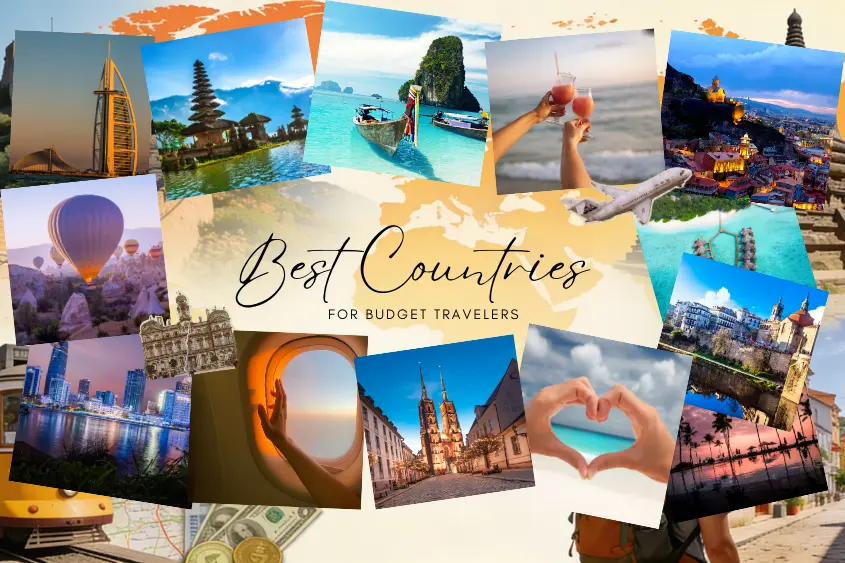
Best Countries for Budget Travelers in 2026

You’ve saved just enough for a plane ticket and maybe two weeks of freedom, but not much more. The question isn’t whether you can travel; it’s about choosing the Best Countries for Budget Travelers in 2026, places where your money goes further and allows you to truly enjoy your time away. Instead of constantly calculating exchange rates in your head
Budget travel has never been just about finding cheap hostels. It’s about landing somewhere your daily existence doesn’t require financial gymnastics. Where a spontaneous dinner doesn’t mean skipping lunch tomorrow. Where you can say yes to an unexpected invitation without mentally reviewing your bank balance first.
Some destinations have always offered this kind of breathing room, but 2026 has reshuffled the deck in unexpected ways. Currency fluctuations, post-pandemic pricing adjustments, and shifting tourism patterns mean the traditional budget havens aren’t necessarily where the best value sits anymore.
Vietnam: Where Your Money Still Moves Mountains
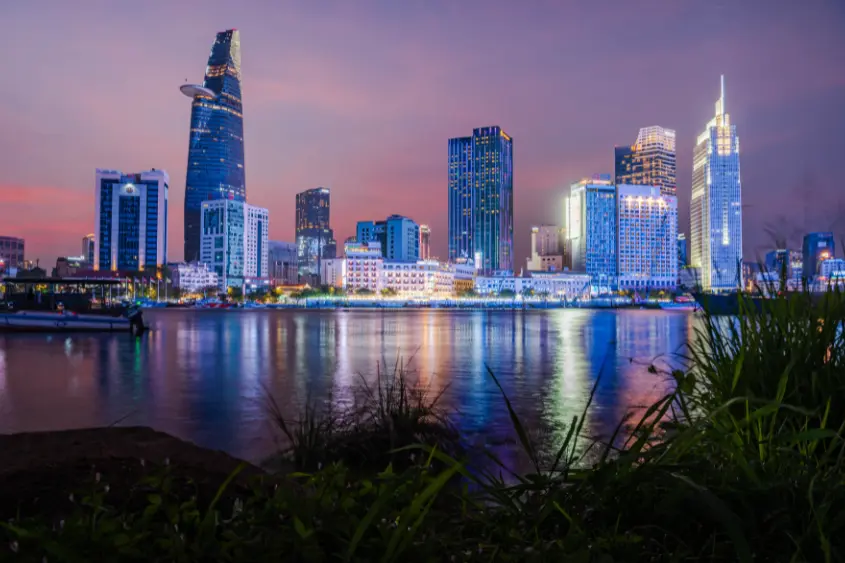
Vietnam remains almost absurdly affordable, but what makes it exceptional in 2026 isn’t just the prices, it’s that the quality hasn’t been sacrificed to tourism inflation. A bowl of pho costs about a dollar. A genuine one, from a place where locals eat, not a watered-down tourist version at triple the price.
The country’s infrastructure has improved dramatically without the corresponding price explosions you’d expect. Sleeper buses are comfortable. Mid-range hotels that would cost $150 elsewhere run $25-30. The food scene in Hanoi and Ho Chi Minh City has exploded with options that somehow stay accessible. You can eat incredibly well for under $10 daily if you follow your nose rather than Google’s top recommendations.
What surprises most travelers is how far inland Vietnam stretches beyond the coastal highlights everyone photographs. Places like Ninh Binh or Ha Giang exist in a completely different cost dimension than Da Nang or Nha Trang, and they’re often more memorable. The further you drift from beach resort territory, the more your money multiplies.
Portugal: Europe’s Reluctant Budget Champion
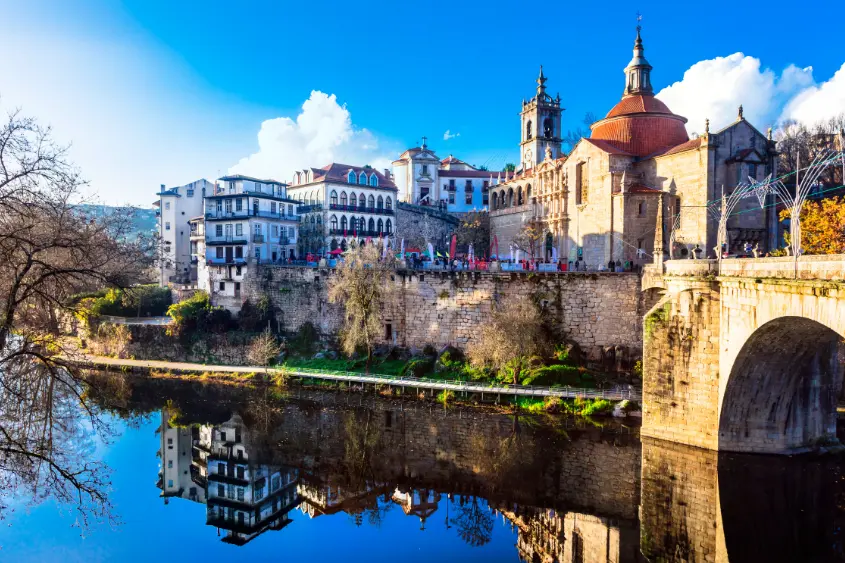
Portugal never wanted to be the “cheap option” in Western Europe, but here we are. While Spain’s prices have crept upward and France remains stubbornly expensive, Portugal offers something increasingly rare: genuine European city experiences without the financial punishment.
Lisbon and Porto get the attention, but their prices reflect that fame now. The real value lives in Portugal’s secondary cities, Coimbra, Braga, Aveiro, where you still get beautiful architecture, excellent food, and that distinctively Portuguese melancholy charm, but your accommodation costs half what it would in the capital.
The Portuguese seem almost embarrassed by how affordable their country remains compared to neighbors. A proper meal with wine rarely exceeds €15 per person outside tourist zones. Local trains cost so little you’ll double-check you paid correctly. The coffee culture means you can nurse an espresso at a café for an hour without anyone pressuring you to order more or leave.
What makes Portugal especially valuable for budget travelers in 2026 is the absence of hidden costs. You’re not getting nickel-and-dimed constantly. Museum entry fees are reasonable. Public transportation works and doesn’t require a doctorate to understand. You can actually relax instead of perpetually hunting for the next deal.
Indonesia: Beyond Bali’s Tourist Tax
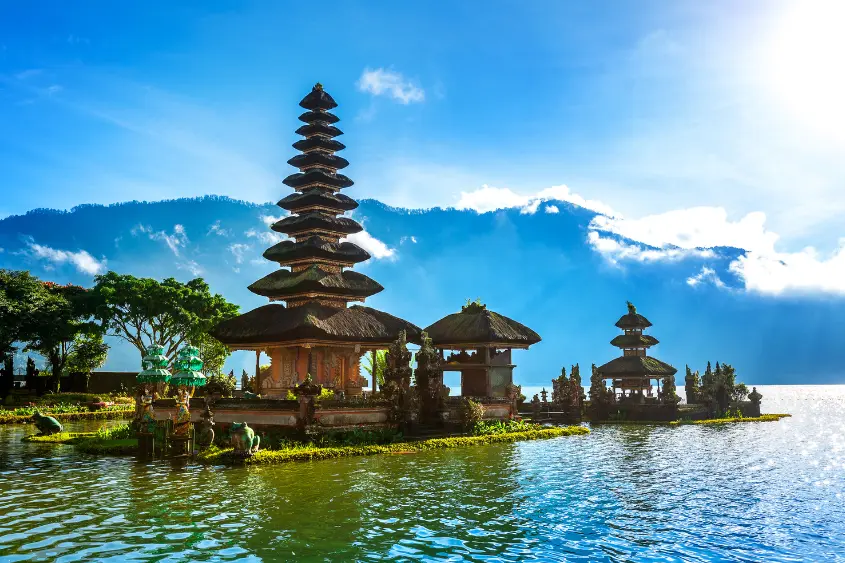
Bali has priced itself into a different category. Not completely out of budget range, but no longer the effortless bargain it once represented. The rest of Indonesia, though? Still remarkably accessible, especially if you’re willing to move beyond the Instagram itinerary.
Java offers ancient temples, volcanoes, and vibrant cities at prices that feel stuck in 2010. Yogyakarta remains one of those rare places where cultural richness and affordability coexist without compromise. Street food costs pocket change, guesthouses are clean and cheap, and the local transport system means you’re never forced into expensive tourist taxis.
The Indonesian islands beyond Bali, Lombok, Flores, Sumatra, require more effort to reach but reward that effort with substantially lower costs and fewer crowds. The tourism infrastructure exists but hasn’t been monetized to death yet. You can still find beach bungalows for under $20 that aren’t hostels or grim survival shelters.
The food alone makes Indonesia financially forgiving. Warungs (small family-owned restaurants) serve genuine, filling meals for $2-3. Not backpacker survival food, actual good cooking that locals eat. This matters over weeks of travel when you’re tired of compromising on every meal to save money.
Poland: Eastern Europe’s Underappreciated Corner
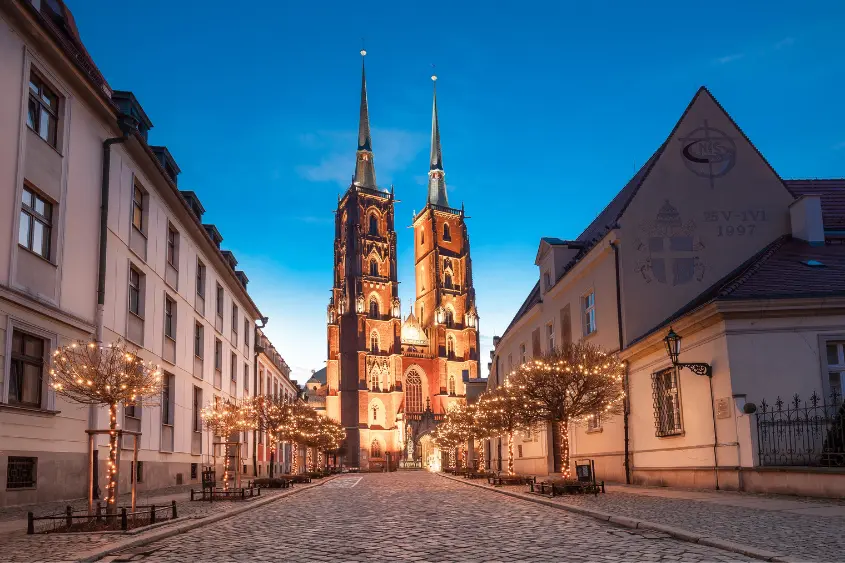
Poland sits in this interesting space where it’s developed and comfortable but hasn’t yet inflated to Western European prices. Krakow gets expensive during peak season, but even then it’s manageable. Warsaw, Gdansk, and Wroclaw offer full European city experiences, good museums, beautiful old towns, excellent restaurants, without the financial anxiety of Paris or Amsterdam.
The złoty’s exchange rate has been favorable, and Polish prices haven’t caught up to the country’s economic development. You can stay in genuinely nice apartments through Airbnb for $40-50 nightly. Restaurants serve hearty, unpretentious food at prices that seem almost apologetic compared to what you’d pay elsewhere in Europe.
Public transportation is efficient and cheap. Beer costs less than bottled water in many Western countries. The country’s dramatic history means there’s substantial cultural content to engage with, none of it prohibitively expensive.
Poland works especially well for travelers who want European aesthetics and accessibility without constantly monitoring expenses. It’s one of the few places in Europe where you can still have spontaneous experiences without financial consequences.
Georgia: The Caucasus Wild Card
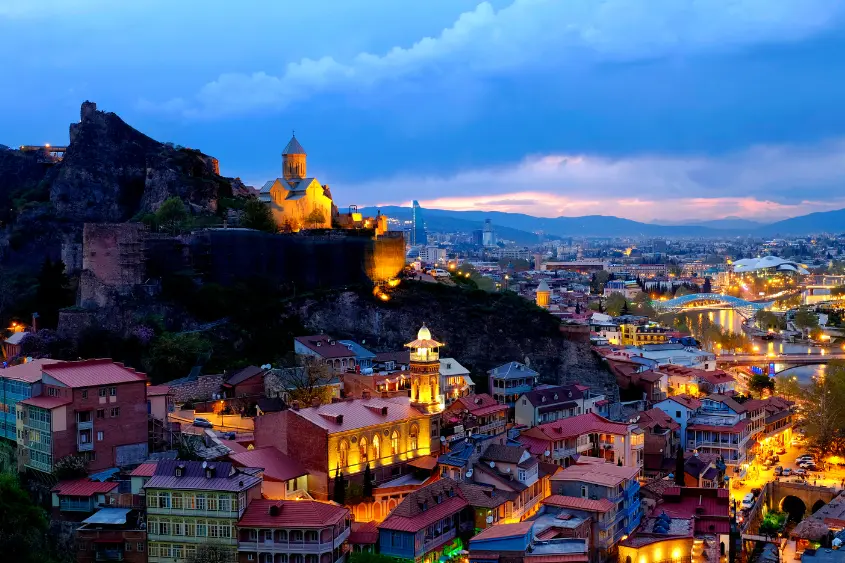
Georgia (the country, not the state) has built a quiet reputation among budget travelers who got tired of Thailand’s crowds or Balkans’ limitations. It’s mountainous, wine-soaked, and bewilderingly affordable given how good everything is.
Tbilisi feels like a proper capital with interesting architecture, thriving restaurant scene, and actual nightlife, but costs a fraction of comparable cities. You can rent decent apartments in good neighborhoods for $400-500 monthly, which makes it attractive for longer-term travelers or digital nomads stretching budgets.
The food culture here is serious. Georgians take their cuisine personally, and somehow this hasn’t translated into expensive restaurants. Traditional meals in family-run establishments cost $5-8 per person with wine. The wine itself deserves attention, Georgia has 8,000 years of winemaking tradition and charges almost nothing for it.
Getting around requires some patience since infrastructure is still developing, but the low costs make up for occasional inconvenience. Marshrutkas (shared minibuses) connect cities for just a few dollars. Even private taxis are affordable enough that you won’t feel financially punished for choosing comfort occasionally.
The Real Cost of Budget Travel
What matters in 2026 isn’t finding the absolute cheapest destination, it’s finding places where the daily friction of budgeting doesn’t dominate your experience. Where you can occasionally be generous, careless, or spontaneous without derailing your entire trip budget.
These countries offer that increasingly rare combination: low baseline costs with enough infrastructure that you’re not suffering for it. You’re not eating badly, staying in depressing rooms, or spending hours figuring out bus routes to save three dollars. You’re just traveling without the constant financial background hum that exhausts you as much as the actual sightseeing.
The best budget destination is ultimately wherever you can focus on the experience rather than the math. These places just happen to make that easier than most.
Daniel Moore is the voice behind The Travel Paths, sharing travel stories shaped by culture, everyday experiences, and the quieter moments that make journeys meaningful.