Seeing a Destination Beyond Its Famous Landmarks

When you visit a destination beyond its famous landmarks, you open yourself to a deeper understanding of a place. Often, the true character of a destination reveals itself when you stop chasing what’s popular and allow the space to unfold naturally.
It also quietly limits what a place is allowed to be.
I didn’t realize this until I stopped chasing the familiar markers of a destination and allowed myself to drift instead.
The Weight of Famous Places
Landmarks come with expectations attached. You arrive already knowing what they look like. You know where to stand, what angle to photograph, and how long you’re supposed to stay.
There’s comfort in that predictability, but there’s also distance.
I noticed how quickly I moved through these spaces. I wasn’t present I was confirming something I had already seen before arriving. The place felt reduced to proof.

Stepping Away From the Obvious
The shift happened unintentionally. A wrong turn. A missed stop. A decision not to turn back.
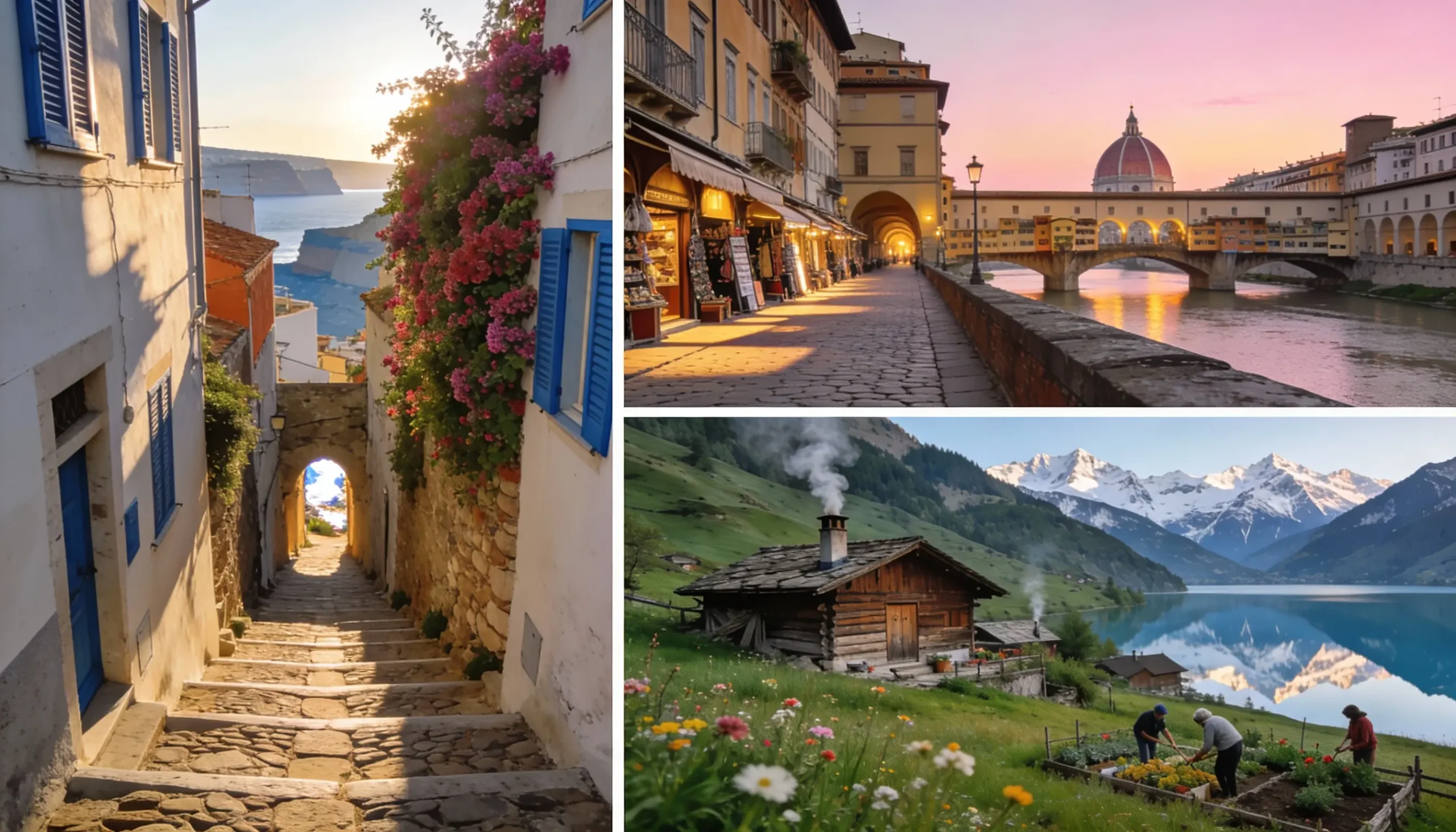
Suddenly, the destination stopped performing. Streets felt less arranged. Buildings weren’t framed for attention. People moved without acknowledging the presence of visitors.
Nothing was asking to be seen.
That’s when the place began to feel real.
Where Daily Life Lives
Away from landmarks, a destination reveals its habits rather than its highlights.
I noticed how mornings unfolded. Which cafés filled slowly. Where people paused without purpose. How neighborhoods changed tone throughout the day.
There were no signs explaining what mattered. No plaques marking importance. And yet, these spaces carried more clarity than the places I had rushed to earlier.
Travel guides often describe what a place wants to show. These moments showed how a place actually functions.
Letting Go of Completion
One of the quiet pressures of travel is the idea of completion that a destination can be “done” if you see enough of it.
Walking without intention challenged that belief. There was nothing to finish, nothing to check off. I wasn’t collecting experiences. I was simply occupying space.
The destination felt larger when I stopped trying to contain it.

The Absence of Narrative
Landmarks tell stories that have already been written. Away from them, there is no clear narrative.
That absence can feel uncomfortable at first. Without context, you’re left to observe without instruction. But that openness allows personal interpretation to form.
Instead of asking, “What is this place known for?” I found myself asking, “How does this place feel when nothing is being explained?”
What Stayed With Me
Long after leaving, I remembered fewer names and dates and more sensations. The rhythm of walking without urgency. The feeling of being unnoticed. The sense that I had seen something unscripted.
The destination didn’t feel smaller without its landmarks. It felt more complete.
Traveling Without an Agenda
Seeing a destination beyond its famous landmarks doesn’t require rejecting them entirely. It requires loosening their grip on your attention.
Some places reveal themselves only when you stop asking them to impress you.
And often, that’s when travel becomes less about visiting somewhere and more about quietly understanding it.
Daniel Moore is the voice behind The Travel Paths, sharing travel stories shaped by culture, everyday experiences, and the quieter moments that make journeys meaningful.