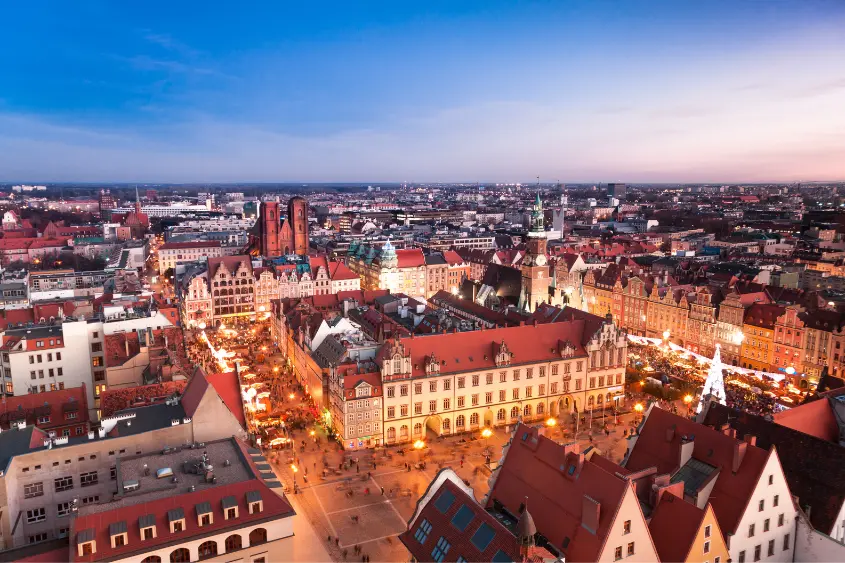
What Are the Best Places to Visit in Europe

Europe has this way of pulling you in, whether it’s a cobblestone alley in Lisbon, a canal in Amsterdam, or a rooftop view over Athens. The problem? With 44 countries packed into one continent, knowing where to start is genuinely overwhelming.
If you’re a first-time traveler, a budget backpacker, or a digital nomad deciding where to base yourself next, this guide breaks down the best places to visit in Europe — not just the famous ones, but the ones that actually deliver for real travelers. We’re talking value, vibes, internet quality, and memories that stick.
Let’s get into it.
Why Europe Is Still the World’s Top Travel Destination
Despite rising costs in some cities, Europe remains one of the most accessible, diverse, and rewarding regions to explore. The Schengen Zone alone lets you move freely across 27 countries with a single visa. Train networks connect most major cities. And the cultural variety within just a few hours of travel is unmatched anywhere else on earth.
Whether you want history, nightlife, beaches, or slow village living — Europe has a version of it that fits your budget.
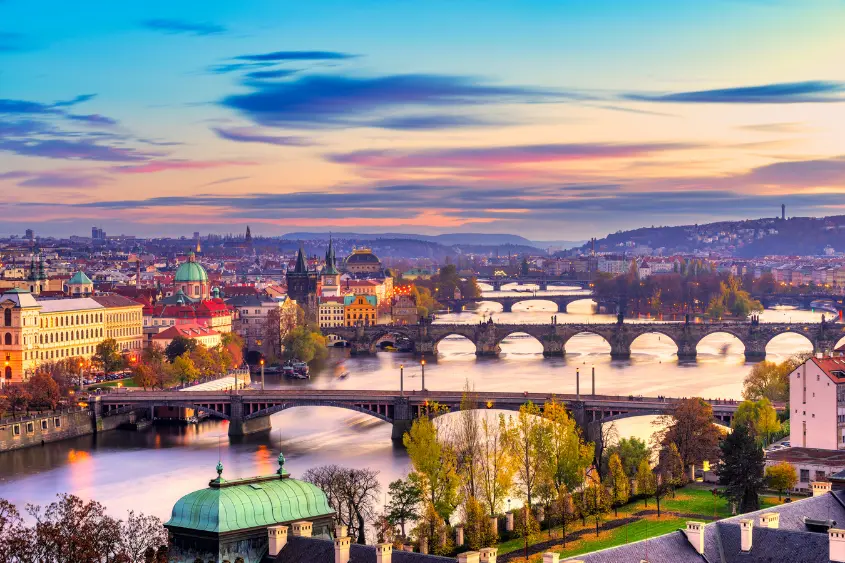
Prague, Czech Republic — Europe’s Hidden Gem That Isn’t So Hidden Anymore
Prague still tops the list of best places to visit in Europe for budget travelers — and for good reason. Costs here are significantly lower than Western Europe, yet the city punches well above its weight in terms of architecture, food, and nightlife.
Why Prague works:
- Beer is cheaper than bottled water in some pubs
- Old Town Square and Prague Castle are free to walk around
- The food scene blends Czech comfort food with modern international dining
- Great coworking spaces for digital nomads at very reasonable monthly rates
Stay in Žižkov or Vinohrady neighborhoods if you want to live like a local rather than a tourist. Avoid the overpriced restaurants directly on Charles Bridge — walk two streets back and prices drop by half.
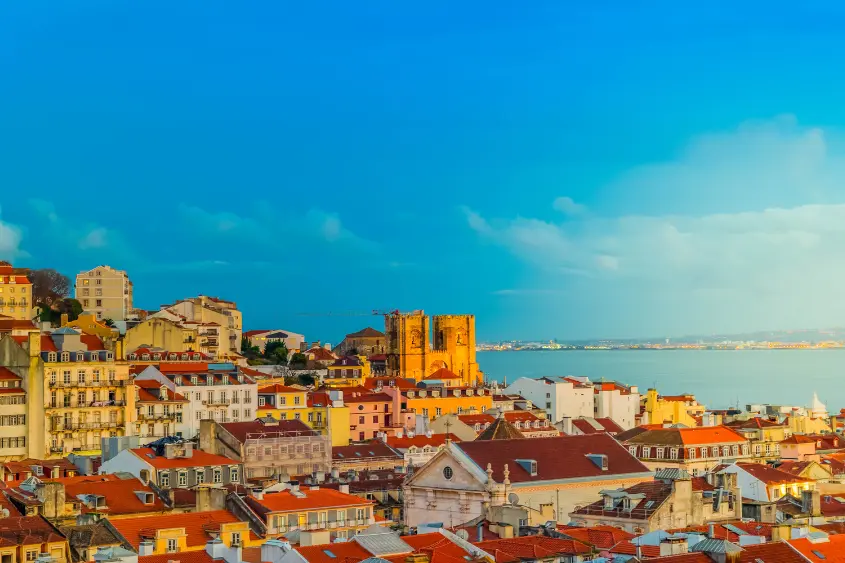
Lisbon, Portugal — Where Old-World Charm Meets Modern Energy
Lisbon is having a long moment, and it deserves every bit of the attention. The Portuguese capital sits on seven hills overlooking the Atlantic, and the light here — golden and warm — makes every photo look effortless.
For digital nomads specifically, Lisbon has become one of the top bases in Europe. The NHR tax regime (recently updated but still attractive), fast fiber internet, a massive coworking scene, and a strong expat community make it genuinely livable, not just visitable.
Top things to do:
- Ride Tram 28 through the narrow streets of Alfama
- Take a day trip to Sintra’s fairy-tale palaces (about 40 minutes by train)
- Eat pastel de nata at Pastéis de Belém — one in the morning, one in the afternoon
- Watch the sunset from Miradouro da Graça with locals
Lisbon isn’t as cheap as it was five years ago, but it’s still far more affordable than London, Paris, or Amsterdam.
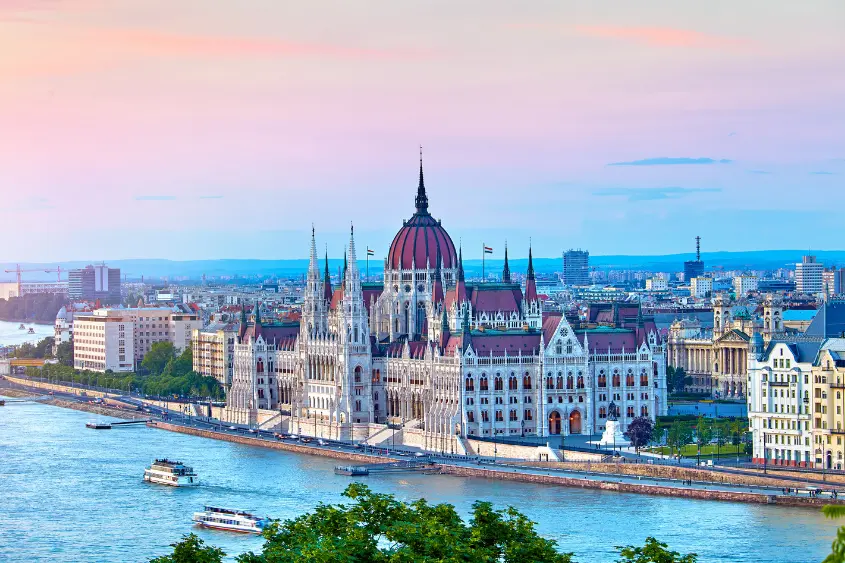
Budapest, Hungary — The Danube’s Most Underrated Capital
Budapest is split by the Danube River into two distinct personalities — hilly, historic Buda on one side and flat, electric Pest on the other. Together, they form one of the most visually dramatic capital cities in all of Europe.
The thermal baths alone are worth the trip. Széchenyi and Gellért are the famous ones, but locals head to Rudas for a less crowded experience. After a long travel day, soaking in 38°C mineral water under a domed ceiling feels pretty unbeatable.
Budget tips for Budapest:
- The Budapest Card covers unlimited public transport and free museum entry
- Ruin bars like Szimpla Kert offer cheap drinks in genuinely wild spaces
- Markets like the Great Market Hall have the best lángos (fried dough) you’ll ever eat
- Airbnb and hostels here are among the most affordable in Central Europe
If you’re planning a multi-country trip, Budapest also sits neatly between Vienna, Bratislava, and Zagreb — making it a natural hub for Central European travel.
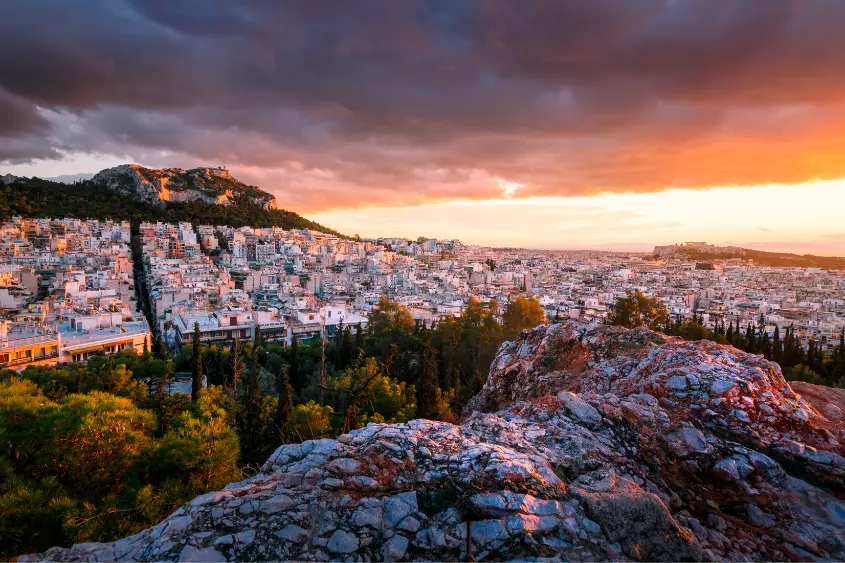
Athens, Greece — History You Can Actually Touch
Athens gets dismissed sometimes as just a stopover before the Greek islands. That’s a mistake. The city has a raw, unpolished energy that most heavily-touristed European capitals have long since lost.
The Acropolis is obviously the centerpiece — but don’t rush it. Go early (before 9am) to avoid the worst of the crowds, and spend time in the Acropolis Museum afterward. It’s one of the best-designed archaeological museums in the world.
Beyond the monuments, neighborhoods like Monastiraki, Psiri, and Koukaki have a street food and coffee culture that rivals any city in Europe. Greek coffee is a ritual here, not a convenience.
Why Athens suits budget travelers:
- Meals at local tavernas average €8–12 for a full plate
- Accommodation is affordable compared to other EU capitals
- Most major archaeological sites charge €10–20 entry — reasonable for what you get
- Athens Airport has connections to most of Europe via budget carriers
Barcelona, Spain — The City That Has Everything
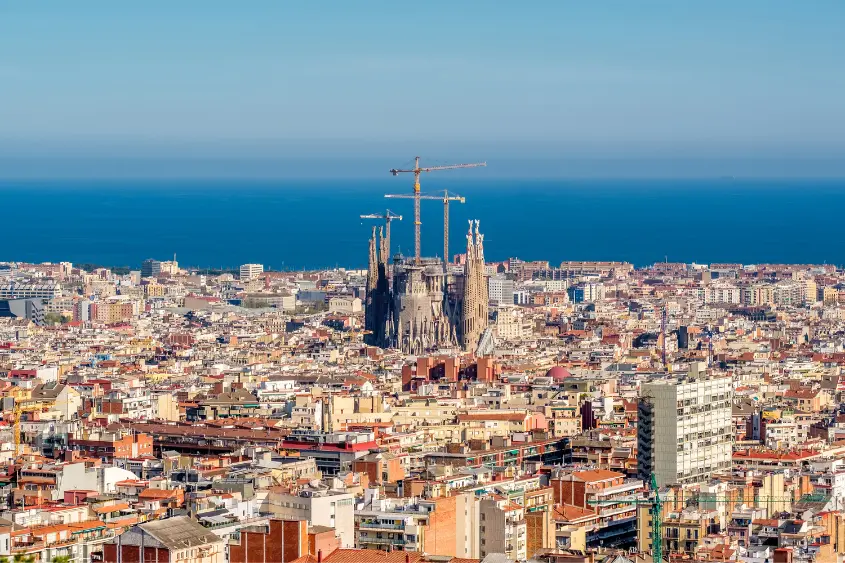
Barcelona is expensive by Spanish standards, but it still offers incredible value compared to London or Paris. And in terms of sheer things-to-do density, very few cities in the world compete with it.
Gaudí’s architecture alone — the Sagrada Família, Park Güell, Casa Batlló — could fill a week. The food scene in La Boqueria and El Born is outstanding. The beach is walkable from the Gothic Quarter. And the nightlife genuinely doesn’t start until midnight.
Practical tips:
- Book Sagrada Família tickets weeks in advance — it sells out constantly
- The T-Casual metro card (10 trips) saves money on transport
- Eat your main meal at lunch — many restaurants offer menú del día (three courses + drink) for €10–14
- Avoid accommodation directly on La Rambla — noisy, overpriced, and a pickpocket hotspot
Barcelona rewards slow travel. Give it at least four or five days.
Krakow, Poland — Culture, History, and Surprisingly Good Coffee
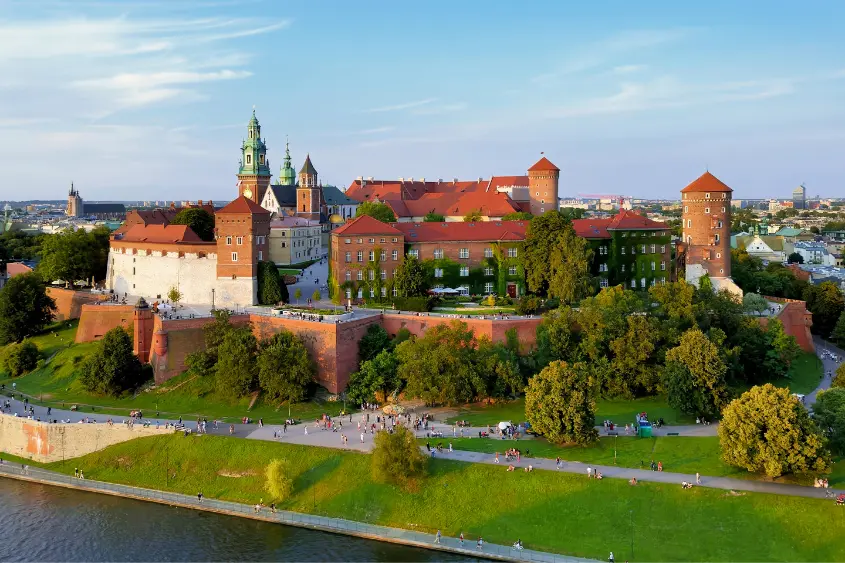
Krakow doesn’t get enough credit as one of the best European destinations for travelers who want serious history without serious prices. The Old Town is a UNESCO World Heritage Site and one of the best-preserved medieval city centers in Europe.
The city’s Jewish Quarter, Kazimierz, has transformed into one of the most interesting neighborhoods on the continent — full of independent cafés, bookshops, galleries, and some of the best street food in Poland.
Day trips from Krakow are also exceptional: Auschwitz-Birkenau (a sobering but important visit), the Wieliczka Salt Mine, and the Tatra Mountains are all within two hours.
For digital nomads: Krakow has an excellent coworking scene, very fast internet infrastructure, and a young university population that keeps the city buzzing year-round.
Dubrovnik, Croatia — The Adriatic’s Crown Jewel
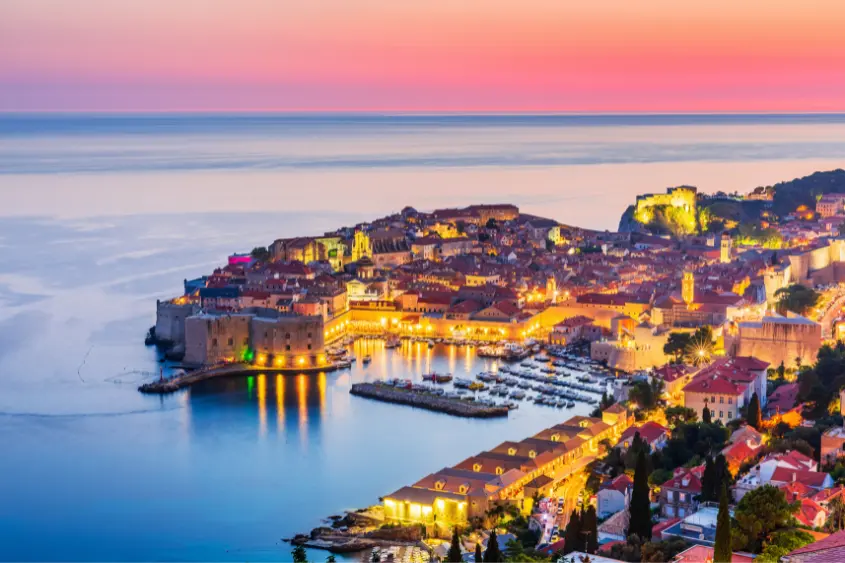
Dubrovnik is one of those places that looks almost unreal in photos — and then in person, it somehow exceeds expectations. The walled Old City, the crystal-clear Adriatic, the terracotta rooftops — it’s genuinely stunning.
That said, it’s also one of the pricier spots on this list, especially in July and August. The workaround? Visit in May, early June, or September. Prices drop, crowds thin, and the weather is still beautiful.
Walk the city walls in the morning before the cruise ship crowds arrive. Take the cable car up Mount Srđ for a view of the whole bay. And eat at restaurants outside the city walls to pay half the price for similar quality.
Start Somewhere, Then Keep Going
The best places to visit in Europe aren’t just the ones in every guidebook — they’re the ones that match your travel style, budget, and timeline. Prague for value-seekers. Lisbon for slow living. Athens for history lovers. Barcelona for city energy. Budapest for hidden-gem vibes.
One actionable takeaway: Don’t try to see all of Europe in one trip. Pick two or three countries, book flexible train tickets (Eurail passes work well for longer trips), and give yourself time to actually be somewhere rather than just passing through.
Europe rewards depth over distance. Start there.
Daniel Moore is the voice behind The Travel Paths, sharing travel stories shaped by culture, everyday experiences, and the quieter moments that make journeys meaningful.