Best Cities in Asia for First-Time International Travel
You have never left your home country before. The passport is new, the flight confirmation feels surreal, and somewhere between excitement and mild panic, you are wondering: where should I actually go?
Asia makes sense on paper, it’s vast, relatively affordable, culturally rich. But that vastness is exactly the problem. Do you pick the neon chaos of Tokyo or the temple serenity of Chiang Mai? A place where English is common or one where you will fumble through every interaction? Something familiar enough to ease you in, or different enough to feel like you have actually traveled?
Here’s the thing: your first international trip shouldn’t require a PhD in navigation or a tolerance for complete sensory overload. It should feel like an accomplishment, not a survival test. So let’s talk about Best Cities in Asia that genuinely work for first-timers, not because they are “easy,” but because they let you be a traveler instead of spending all your energy just trying to function.
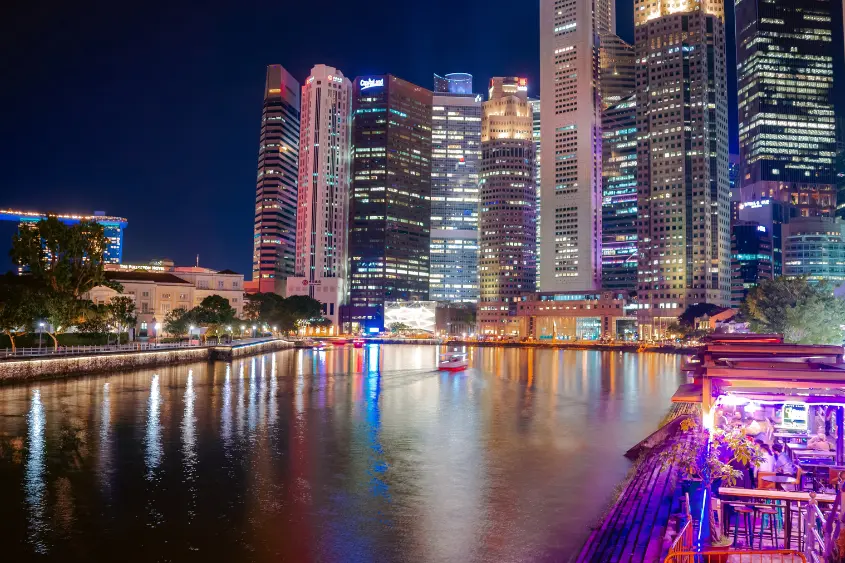
Singapore: The City That Removes Every Excuse
If you are nervous about your first trip abroad, Singapore is almost annoyingly accommodating.
Everything works. The trains run on time, signs are in English, you can drink the tap water, and the airport might be nicer than your apartment. It’s clean to the point where you will feel self-conscious dropping a gum wrapper. Street food is incredible and costs less than a fast-food meal back home, but it’s served in hawker centers that feel more like food courts than sketchy alleyways.
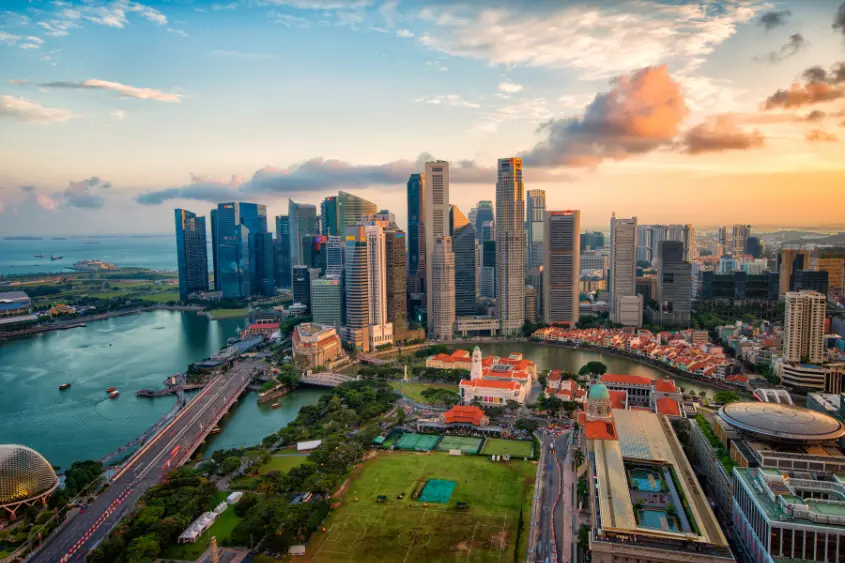
What Singapore does brilliantly is let you experience “Asia” without the friction. You get Chinese temples in Chinatown, Indian spice markets in Little India, Malay culture in Kampong Glam, and futuristic skyline views at Marina Bay, all within a few subway stops. The city compresses an entire region’s worth of culture into one efficient, walkable package.
The downside? It’s almost too frictionless. You won’t have many stories about getting lost or miscommunicating or figuring things out on the fly. But if this is trip number one and you want to build confidence before tackling somewhere more chaotic, Singapore is the training wheels you didn’t know you needed.
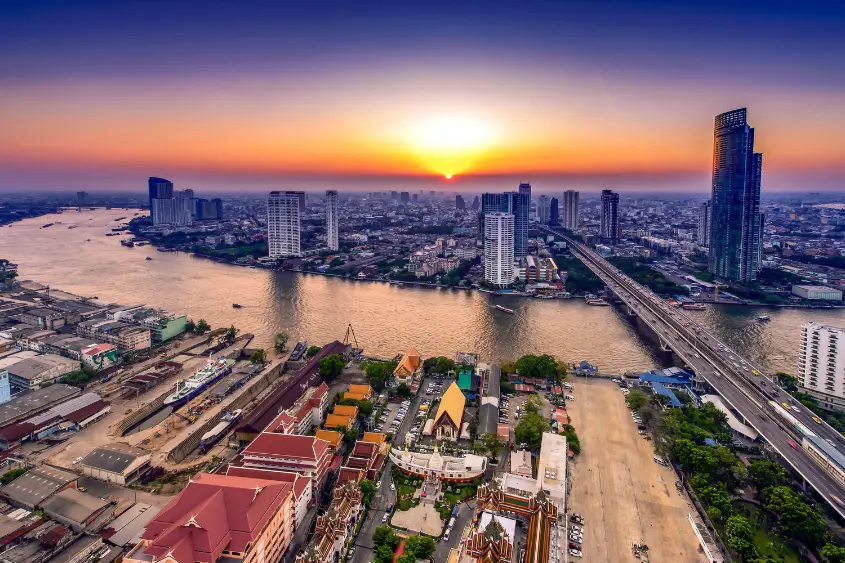
Bangkok: Controlled Chaos With Safety Nets
Bangkok is where a lot of first-timers realize they are more capable than they thought.
Yes, it’s busy. Yes, the traffic is maddening and the humidity will defeat your hair within minutes. But Bangkok has this strange quality where it looks overwhelming and then turns out to be oddly manageable. The BTS Skytrain is color-coded and intuitive. Grab (Southeast Asia’s Uber) works flawlessly. Enough people speak English that you won’t be miming your lunch order, though you might anyway because the street vendor’s smile is encouraging.
The city rewards exploration without punishing mistakes. Wander into a random temple and it’s probably stunning. Duck into a side-street restaurant and the food is probably great. Take the wrong ferry along the Chao Phraya River and you will still see something worth photographing.
Bangkok also has a range. You can stay in a $15 hostel or a $200 rooftop hotel. Eat Michelin-level street food for two dollars or book a fancy riverside restaurant. Visit the Grand Palace and floating markets in the morning, then spend the evening in a sleek rooftop bar pretending you are in a movie.
What makes it work for first-timers isn’t simplicity, it’s forgiveness. The city doesn’t expect you to have it all figured out.
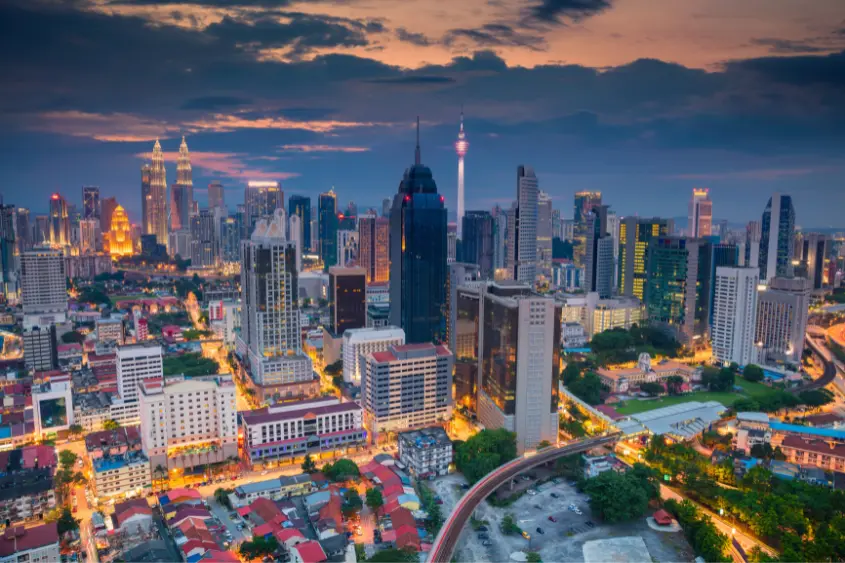
Kuala Lumpur: Underrated and Surprisingly Comfortable
KL doesn’t get the same hype as Tokyo or Bangkok, which is part of why it’s perfect for a first trip.
It’s a major city with all the infrastructure you’d want, reliable public transit, international airport, widespread English, but without the tourist hordes or the pressure to see thirty things per day. You can visit the Petronas Towers, explore the Batu Caves, wander through street markets in Chinatown, and still have time to sit in a cafe and decompress.
Malaysia is also one of the most affordable best countries in the region. Your money stretches further here than almost anywhere else in Asia, which matters when you are still figuring out how much things should cost and whether you are being ripped off.
The food scene alone justifies the trip. Malay, Chinese, and Indian influences collide in ways that make every meal feel like a small discovery. Nasi lemak for breakfast, roti canai for lunch, hawker-stall satay for dinner, none of it expensive, all of it memorable.
KL also works as a hub. If you get comfortable and want to venture further, you are a short flight or bus ride from Penang, Langkawi, or even Singapore. But honestly, you could spend a week just in the city and leave feeling like you experienced something real.
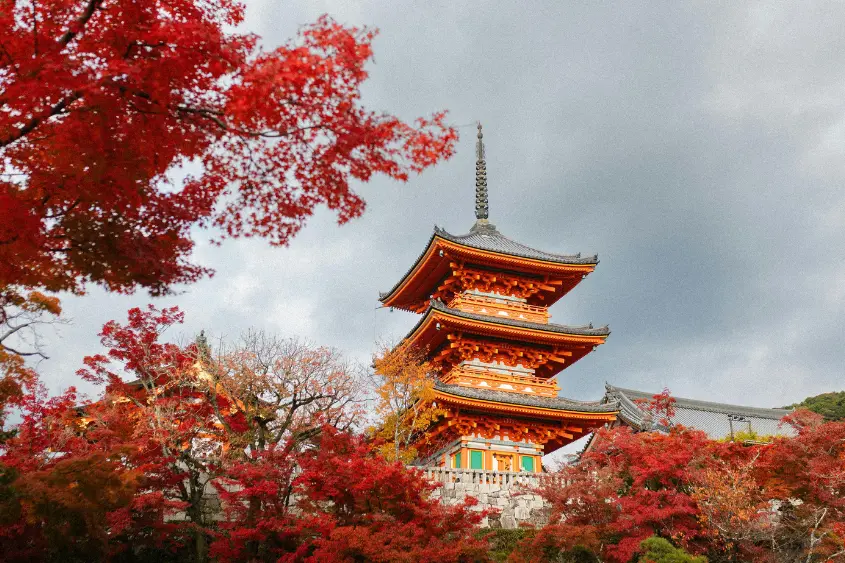
Kyoto: Japan Without the Tokyo Intensity
Tokyo is incredible, but it can also feel like drinking from a fire hose.
Kyoto offers a gentler entry point into Japan—still distinctly Japanese, still visually stunning, but at a pace that won’t leave you overstimulated and exhausted by day two.
The city is manageable. You can walk or bike to most major sites. Buses are frequent and easy to navigate once you figure out the system. There are enough temples and gardens that you’ll never run out of things to see, but they are spaced out enough that it doesn’t feel like a checklist sprint.
Kyoto also nails the balance between tourist-friendly and authentic. Yes, Fushimi Inari is crawling with visitors, but walk fifteen minutes up the mountain and you will have moss-covered pathways mostly to yourself. The bamboo grove in Arashiyama is Instagram-famous, but the surrounding neighborhood is full of quiet tea houses and small shops where locals actually go.
Language can be a slight barrier, fewer people speak English here than in Tokyo, but the city is so used to international visitors that you will figure it out. And honestly, there’s something satisfying about successfully ordering ramen using a vending machine and hand gestures.
If you want to feel like you have been to Japan without the sensory assault of Shibuya Crossing, Kyoto delivers.
Taipei: The City No One Talks About Enough
Taiwan doesn’t dominate travel Instagram the way Thailand or Japan does, and that’s exactly why Taipei is such a smart choice.
It’s incredibly foreigner-friendly. The subway is clean, cheap, and intuitive. Night markets are legendary and accessible. Signs are often in English. People are genuinely helpful without the transactional vibe you sometimes get in heavily touristed places.
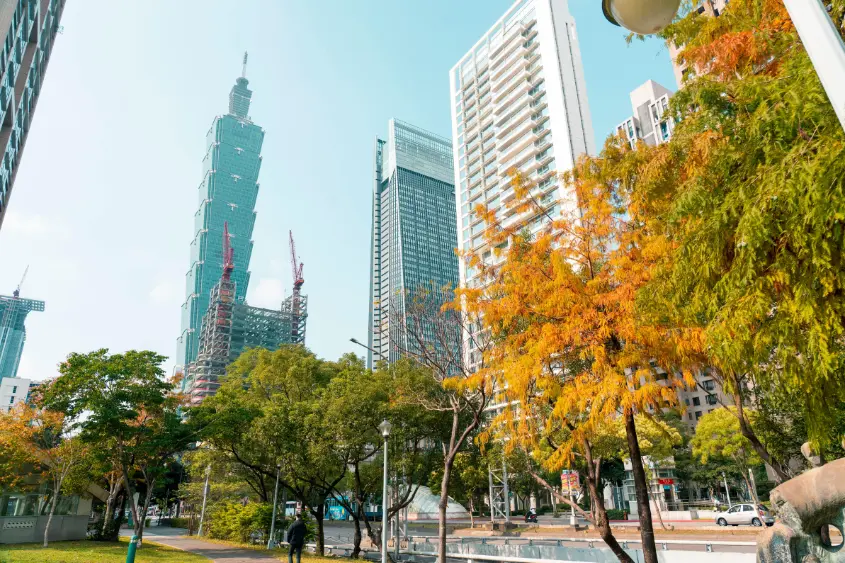
Taipei also has personality. It’s modern without being sterile, glass skyscrapers next to narrow alleyways, Buddhist temples next to hipster coffee shops. You can spend a morning hiking Elephant Mountain for skyline views, an afternoon exploring the National Palace Museum, and an evening eating xiao long bao until you regret nothing.
The food situation here might be the best in Asia for first-timers. Night markets like Shilin or Raohe are chaotic but navigable, with enough recognizable items (dumplings, noodles, fried chicken) that you won’t starve while working up the courage to try stinky tofu.
And if you want to leave the city, Taiwan’s train system makes day trips absurdly easy. Jiufen, Taroko Gorge, hot springs in Beitou, all accessible without renting a car or hiring a guide.
The Real Question Isn’t “Where?” But “What Do You Want to Feel?”
Choosing your first international destination isn’t just about logistics or top-ten lists. It’s about what kind of traveler you want to discover you are.
If you need reassurance and structure, go to Singapore. If you want to test your adaptability in a place that’s hectic but navigable, Bangkok is waiting. If you want affordability and underrated charm, Kuala Lumpur won’t disappoint. If you want beauty and tradition without being overwhelmed, Kyoto makes sense. And if you want a city that feels like a secret even though it’s a capital, Taipei might be the quiet winner.
None of these cities will hand you a perfect trip, planes will still be delayed, you will still take a wrong turn, something will still go mildly wrong. But they will all let you leave thinking, “I can do this.” And that’s the only thing your first trip really needs to accomplish.
Daniel Moore is the voice behind The Travel Paths, sharing travel stories shaped by culture, everyday experiences, and the quieter moments that make journeys meaningful.