
How to Choose the Right Destination Based on Your Travel Style

Choose the right destination based on your travel style sounds simple, but it’s where most trips go wrong. You have got time off work, a modest budget saved up, and that familiar itch to go somewhere. Then you open a search engine or scroll through Instagram, and suddenly everywhere looks good. Greece? Japan? Peru? Your friend just posted from Iceland and it looked incredible. But would you actually enjoy standing in front of a waterfall in the cold for an hour, or are you just drawn to the photo?
This is where most trip planning goes sideways. We choose destinations based on what looks good, what’s trending, or what someone else loves, without stopping to ask whether it actually matches how we like to travel.
The Problem with “Bucket List” Thinking
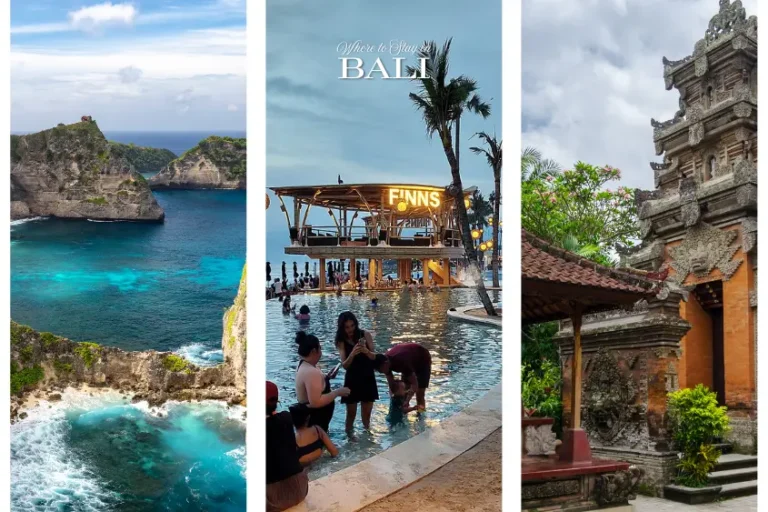
There’s this idea floating around that certain places are non-negotiable, you must see Paris, you have to visit Bali, everyone needs to do New York at least once. And sure, those places are popular for a reason. But popularity doesn’t equal compatibility.
I have met people who felt stressed the entire time they were in Tokyo because they are slow-paced travelers stuck in one of the world’s most frenetic cities. I have watched beach lovers force themselves through European museums out of some sense of obligation. The disconnect is real, and it’s exhausting.
The truth is, a destination is not good or bad in isolation. It’s good or bad for you, based on how you actually want to spend your days when you are away from home.
What “Travel Style” Actually Means
Travel style is not about whether you prefer hotels or hostels, that’s just logistics. It’s deeper than that. It’s about what recharges you versus what drains you. Do you come home from a trip feeling energized or like you need another vacation to recover?
Some people thrive on spontaneity. They love showing up somewhere with no plan and figuring it out. Others find that stressful and would rather have every dinner reservation locked in two weeks ahead. Neither is wrong. But if you are a planner booking a trip to a place where nothing runs on schedule and chaos is part of the charm, you are setting yourself up for frustration.
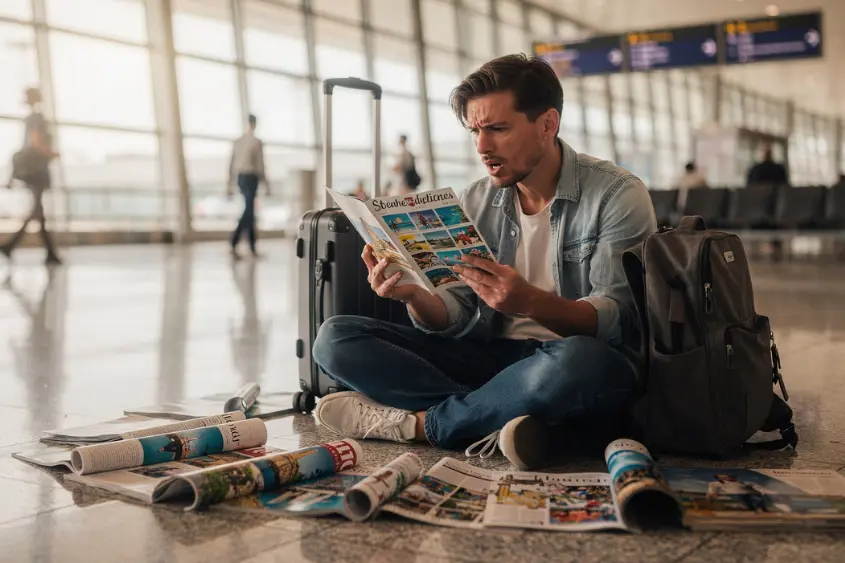
Think about your last few trips, not whether they were “good,” but how they felt. Were you rushing between sights feeling like you were missing something? Or were you bored by day three? That feeling is data.
Pace Matters More Than You Think
There are travelers who genuinely enjoy waking up at 6 AM, hitting four museums, walking 20,000 steps, and collapsing into bed satisfied. Then there are people who’d rather spend three hours in one café, reading and watching the street, than sprint through a dozen landmarks.
Neither approach is better, but the destinations that suit them are wildly different.
If you are someone who gets antsy sitting still, a place like Rome or Mexico City makes sense, there’s always another neighborhood, another site, another meal to chase. But if your ideal day involves a slow morning, a good lunch, and maybe one meaningful activity, you would probably be happier somewhere like the south of France or coastal Portugal, where the culture supports lingering.
This also applies to city versus countryside. Some travelers feel suffocated outside of urban energy. Others find cities overwhelming and would rather be surrounded by mountains or beaches where the itinerary is simply “exist peacefully.”
Comfort Zones and Calculated Risks
Here’s a distinction worth making: there’s a difference between pushing yourself to grow and setting yourself up to be miserable.
If you have never traveled solo, going somewhere with a strong tourist infrastructure, like Thailand or Portugal, makes more sense than immediately diving into a place where you don’t speak the language and transportation is unpredictable. That’s not playing it safe; it’s being strategic.
On the other hand, if you have done the resort thing five times and you are bored, maybe it’s time to try a destination that asks a bit more of you. Somewhere that doesn’t hand you an itinerary, where you’ll have to figure things out and talk to strangers.
The key is knowing the difference between discomfort that expands you and discomfort that just makes you wish you had stayed home. One is growth. The other is poor planning.

Weather Tolerance Is Underrated
This sounds obvious, but I have watched people ignore it constantly. Someone who wilts in humidity books a summer trip to Southeast Asia. A person who gets seasonal depression in winter goes to Scandinavia in January.
Weather affects your mood, your energy, and what you can realistically do each day. If you hate being cold, you are not going to suddenly love hiking in Patagonia just because it’s beautiful. If heat makes you irritable, a summer trip to Morocco is going to test your limits no matter how stunning the architecture is.
And it’s not just temperature, it’s rhythm. Some destinations have intense sun that forces siestas and late dinners. Others have long summer days where the sun does not set until 10 PM. If your body does not adjust well to those shifts, it’s worth considering.
Social Energy and Alone Time
Some destinations are inherently social. Hostels in Lisbon, group treks in Nepal, surf towns in Costa Rica, these places naturally facilitate meeting people. If you are traveling solo and that sounds appealing, great. But if you are an introvert who needs significant alone time to recharge, those environments can feel relentless.
Conversely, if you are energized by meeting new people and the idea of eating every meal alone sounds depressing, choosing a quiet, off-the-beaten-path destination might leave you feeling isolated.
It’s worth being honest about this before you book. You can always find solitude in a social place, but it’s much harder to make connections in a remote one.
Budget Realities Shape the Experience
Your budget does not just determine where you can go, it shapes how you experience a place.
If you are on a tight budget in an expensive city like Zurich or Oslo, you will spend the entire trip calculating costs and skipping things. That’s not a vacation; that’s an exercise in self-restraint. But that same budget in Vietnam or Mexico? You are eating well, staying somewhere decent, and not stressing over every decision.
This does not mean you can’t visit expensive places, it just means timing and expectations matter. Going to Iceland in winter when flights are cheaper and accepting that you will cook most meals is different than showing up in summer, shocked that everything costs double what you planned.
Matching Destination to Intention
Sometimes the question isn’t about your travel style in general, it’s about what you need right now.
A celebration trip is different from a reset trip. If you are recovering from burnout, throwing yourself into a packed itinerary in a chaotic city probably isn’t it. You might need somewhere that lets you slow down, maybe the Greek islands, maybe the Scottish Highlands, maybe a cabin somewhere with no agenda.
On the other hand, if you are feeling stuck or uninspired, a place that challenges you a new culture, a language barrier, unfamiliar food might be exactly what shakes things loose.
The destination should serve the purpose of the trip, not the other way around.

Trust What Actually Appeals to You
At some point, you have to stop crowd-sourcing your travel decisions. Yes, read reviews. Yes, ask for recommendations. But if a place keeps coming up in your mind not because it’s trendy, but because something about it genuinely pulls at you, that’s worth paying attention to.
Maybe it’s a place connected to your family history. Maybe it’s somewhere you have always been curious about for no clear reason. Maybe it’s just a city you saw in a movie once and never forgot. Those pulls mean something. They are usually more reliable than “top 10” lists.
Choosing the right destination isn’t about picking the most impressive place. It’s about finding somewhere that matches how you want to feel, how you like to spend your time, and what you actually need from a trip. That’s harder to figure out than booking the first flight deal you see, but it’s the difference between a trip you tolerate and one you actually remember.
Daniel Moore is the voice behind The Travel Paths, sharing travel stories shaped by culture, everyday experiences, and the quieter moments that make journeys meaningful.