

How to Save Money on Flights Without Using Hacks

You are scrolling through flight prices at 11 PM, toggling between browsers, and suddenly wondering if opening an incognito window actually does anything. Spoiler: it probably doesn’t. The internet loves a good travel hack—clear your cookies, book on Tuesdays, use a VPN to pretend you are in another country. But most of these tricks either don’t work anymore or never really did in the first place. What if Save Money on Flights wasn’t about outsmarting algorithms, but simply understanding how the system works and making better decisions within it?
That’s what this is about. Not gimmicks. Not secret loopholes. Just practical ways to spend less without feeling like you are gaming a casino that’s rigged against you.
Stop Treating Every Flight Like an Emergency Purchase
There’s a strange psychology around booking flights. People who wouldn’t dream of buying a TV without comparing prices will panic-book a ticket the moment they decide on a destination. Then they are surprised when the price drops two days later.
Flexibility matters more than timing tricks. If you can shift your travel dates by even a few days, you’ll almost always find cheaper options. Mid-week flights, especially Tuesdays and Wednesdays, tend to be less expensive simply because fewer people want to fly then. It’s not a hack; it’s supply and demand.
The same goes for time of day. Early morning and late evening flights are usually cheaper because they are less convenient. If saving $150 means waking up at 4 AM, that’s a trade-off worth considering, especially if you are heading somewhere with a time difference anyway.
But here’s the part people miss: being flexible also means knowing when not to wait. If you are traveling during a holiday period or to a major event, prices aren’t going to drop. They are going to climb. In those cases, booking early is the move, not because there’s a magic window, but because demand is predictable.

Think Beyond the Obvious Airport
Most cities have more than one airport. Sometimes the difference is huge.
Flying into Stansted instead of Heathrow, Oakland instead of San Francisco, or Sanford instead of Orlando can cut your ticket price significantly. Yes, you might need to factor in ground transportation, but even with an extra train or shuttle, you often come out ahead.
This works in reverse too. If you live near multiple airports, compare them all. A two-hour drive to a different departure city might seem inconvenient, but if it saves you $300 on a round-trip ticket, it’s worth the math.
Budget carriers thrive on secondary airports. Ryanair, EasyJet, Southwest they have built entire business models around it. The trade-off is usually fewer amenities and stricter baggage rules, but if you are comfortable traveling light, these airlines offer genuinely low fares without requiring a decoder ring to find them.
Understand What You are Actually Paying For
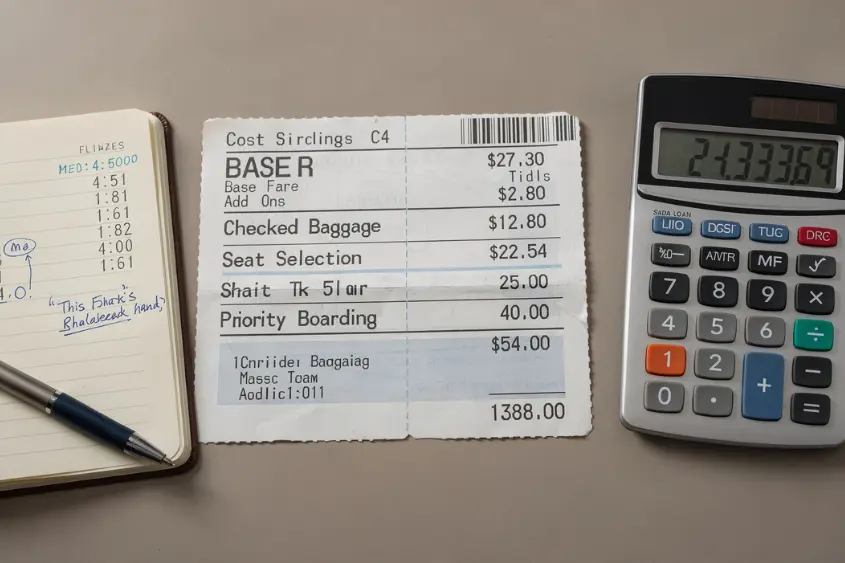
Airlines charge for everything now, and they are very good at making the base fare look appealing while hiding the real cost in add-ons. A $99 ticket can quickly become $180 once you add a checked bag, seat selection, and priority boarding.
Before you book, ask yourself what you actually need. If you are taking a short trip and can fit everything in a carry-on, suddenly that budget airline looks a lot better. If you are traveling for two weeks and need two checked bags, a full-service carrier might actually be cheaper once you do the full calculation.
Seat selection is another one. Most airlines will assign you a seat for free at check-in. It might not be your first choice, but unless you are traveling with kids or have specific mobility needs, it’s rarely worth paying extra just to pick a seat in advance.
Loyalty programs do help here, but only if you are intentional about them. Pick one or two airlines that serve your home airport well and stick with them when prices are close. Status benefits like free checked bags and seat upgrades start to add real value once you fly even semi-regularly. Just don’t chase status for its own sake, that’s how people end up taking unnecessary trips.
Consider Connecting Flights (Yes, Really)
Direct flights are convenient. They are also expensive. If you have the time, adding a connection can cut your fare significantly, sometimes by hundreds of dollars.
The key is making sure the layover makes sense. A 90-minute connection in a busy airport is asking for trouble. A three- or four-hour layover? That’s manageable. You grab lunch, stretch your legs, maybe get some work done. It’s not glamorous, but it’s also not miserable.
Sometimes a longer layover can even be a bonus. A six-hour stop in a city you have never visited turns into a mini side trip. Many airlines allow free stopovers on international routes, places like Iceland, Dubai, or Singapore actively encourage it. You are already flying halfway around the world; why not see another place along the way?
The catch is being realistic about your own travel style. If tight connections stress you out or you are traveling with young kids, the money you save isn’t worth the headache. But if you are a relatively relaxed traveler, connections are one of the most reliable ways to pay less without any tricks involved.
Don’t Ignore the Calendar Entirely
There’s no perfect day to book flights, but there are definitely patterns. Airlines adjust prices based on demand forecasts, and those forecasts are based on data, lots of it.
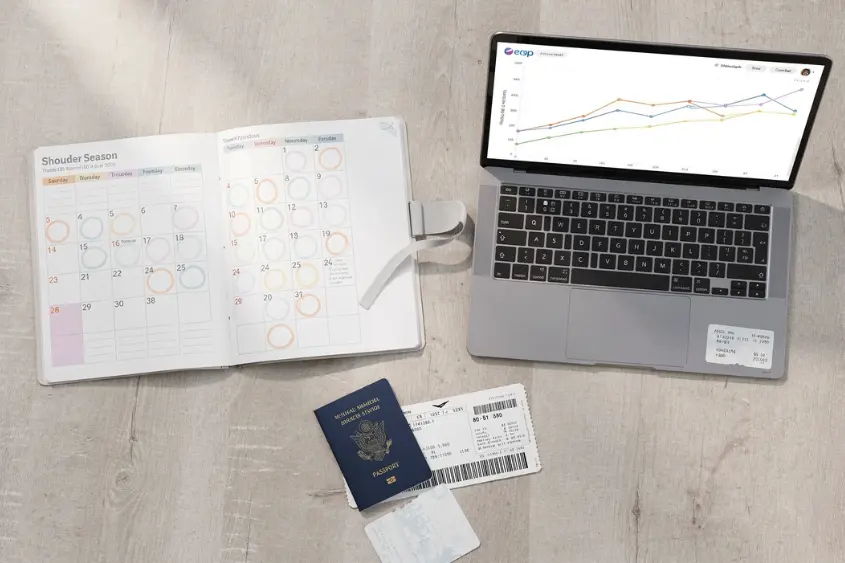
Traveling during shoulder season, the periods just before or after peak tourist times, almost always saves you money. For Europe, that’s late spring or early fall. For the Caribbean, it’s late spring or early winter. You get better weather than the off-season and better prices than the peak.
Even within high seasons, there are pockets of opportunity. The week between Christmas and New Year’s is expensive. The first week of January? Much cheaper, and the weather’s often the same.
Booking windows matters too, but not in the way people think. For domestic flights, somewhere between three weeks and two months out tends to be the sweet spot. For internationals, it’s more like two to four months. But these aren’t hard rules, they are just when prices tend to stabilize. If you see a good fare outside that window, take it.
Use Fare Alerts Without Obsessing Over Them
Fare alert tools, Google Flights, Hopper, Skyscanner are genuinely useful. They track prices for specific routes and notify you when fares drop. The mistake people make is treating them like stock tickers, checking constantly and second-guessing every decision.
Set up alerts for trips you are seriously considering, not every destination that sounds nice. When you get a notification, decide quickly. Good fares don’t last long, not because of some conspiracy, but because other people using the same tools see the same deals.
The other advantage of these tools is seeing historical data. If you search a route and see that the current price is near the historical low, you don’t need to wait for it to drop further. That context alone is worth the effort of setting up alerts.
The Real Takeaway
Saving money on flights isn’t about cracking a code. It’s about understanding the system, being flexible where it matters, and making intentional choices instead of reactive ones.
The airlines aren’t trying to trick you, they are just trying to fill seats at the highest price people will pay. Once you understand that, the whole process feels less like a battle and more like navigation. You are not looking for loopholes; you are just finding the path that works for your trip and your budget.
Daniel Moore is the voice behind The Travel Paths, sharing travel stories shaped by culture, everyday experiences, and the quieter moments that make journeys meaningful.