Best European Cities to Visit for First-Time Travelers

Many first-time travelers to Europe know this feeling: you step out of the airport, breathe in the fresh air, and see the strange signs. A small voice in your head wonders, “Did I bite off more than I can chew?” This feeling can be exciting or overwhelming. Often, it relates more to the city you picked than to you. Some places ease you into Europe; others throw you straight into the deep end.
This isn’t a list of “must-see capitals.” Instead, it highlights cities that welcome first-timers. You can explore these places without feeling overwhelmed. Public transport is easy to navigate, so you’ll leave thinking, “I can do this again.”
London: Training Wheels With an Accent
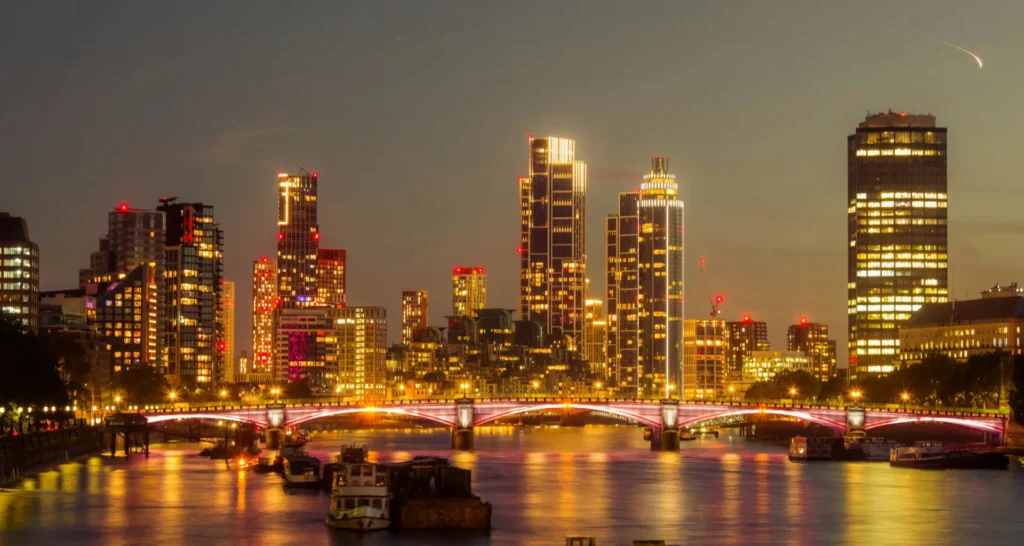
For many, London is a gentle entry into Europe. It feels foreign enough to be exciting but familiar enough to keep you from feeling worn out by lunch. English is all around. Public transport makes sense, especially after you get used to the Tube map. Plus, if you stare at a station sign, people are often willing to help. The city can seem huge, but its neighborhoods make it easier to handle.
A first-timer often finds that London feels better when seen as small villages. Greenwich has a calm riverside. Shoreditch is famous for street art and late-night food. South Kensington boasts museums and neat streets. This approach makes exploring more enjoyable than viewing London as one big city. That mindset alone takes pressure off. You don’t need to “do London”; you just need a few corners that will be yours for a week.
You also get a mental boost. You can enjoy European public transport while understanding the announcements. You get used to tapping in and out of stations, reading metro maps, and understanding zones. That confidence quietly transfers to Paris, Amsterdam, or anywhere else you go next.
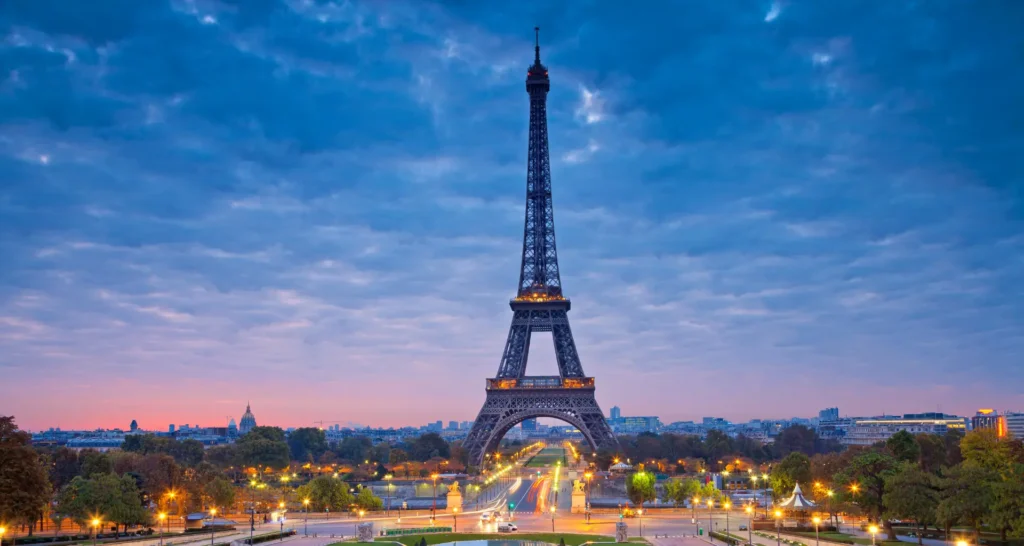
Paris: Romance, Reality, and the Art of Slowing Down
If London is a gentle teacher, then Paris is the charming friend. She always makes you stay out late and order dessert again. For someone visiting Paris for the first time, it can feel overwhelming. Movies, books, and high hopes may weigh you down. You might find yourself trying to do too much in just three days. The city is beautiful, but it’s also busy. People commute, grumble, and wait in line for groceries. That mix of fantasy and reality is what makes it such a useful first European city.
The benefits are clear: Paris is compact, so you can walk easily between central neighborhoods. The metro is reliable and frequent, too. Just buy a pass and know which side of the platform to wait on. Stay in one arrondissement and you can see a lot. Start with coffee at a corner café. Then, spend an hour by the Seine, watching locals enjoy sandwiches on the steps. Finally, take a late walk through streets that feel like a film set.
When language anxiety hits, using simple phrases and a polite tone matters more than perfect grammar. That “I don’t need to speak perfectly to belong here for a week,” is a big mental shift for new travelers. Paris teaches you to slow down, to accept that you’ll miss some “top sights,” and to count that as a win rather than a failure.
Amsterdam: Easygoing, Compact, and Quietly Efficient
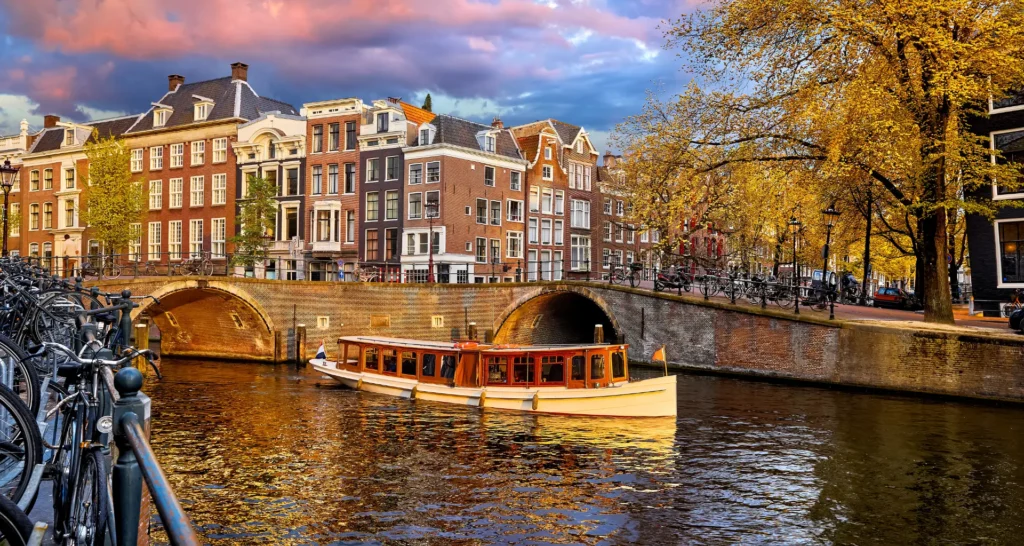
Amsterdam has a special charm for first-time visitors. It’s beautiful but not overwhelming. The city is a testing ground. It’s small enough to bike across, but large enough to find something new each time. Historic canal houses, cobbled streets, and water all around shape your mental postcard of Europe. Still, very modern and practical systems work behind the scenes.
For someone new to European trips, a city that’s so walkable (and bikeable) reduces stress. You don’t have to fight with transfers or fret about how long it takes to return to the center. You’re already there. Canal cruises help you get your bearings easily. Neighborhoods like Jordaan offer a cozy mix of cafés, brown bars, and small shops. You can relax here without feeling like you’re in a theme park.
There is one thing first-timers don’t always anticipate: bikes rule here. You soon realize the red paths aren’t sidewalks. Pausing in the lane for a photo isn’t appreciated. It’s a useful lesson in reading local rhythms. Once you settle in, Amsterdam feels like a city that cares for you. It has clear signs, efficient trams, and a relaxed vibe. You can move at your own pace without worry.
Barcelona: Color, Chaos, and That First “Wow”
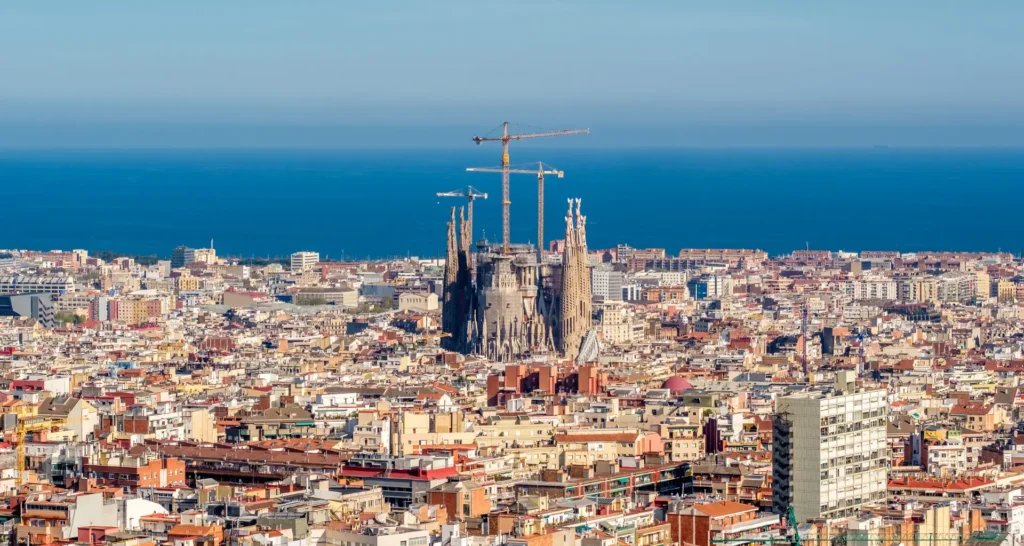
Some cities seduce you slowly; Barcelona hits you immediately. Walking down a palm-lined street by the sea feels vibrant and European. You can admire Sagrada Família and enjoy late dinners after midnight. For a first-time traveler, that intensity can feel energizing or overwhelming. It all depends on your approach.
Barcelona is great if you want a city that has it all. You can enjoy beaches, historic areas, and modern architecture. The food is both casual and amazing. Plus, the nightlife is relaxed you don’t need to dress up or know anyone special. You can spend a morning wandering the Gothic Quarter’s narrow lanes and eat simple pan con tomate at a neighborhood bar. Then, you can ride the metro to the beach in the afternoon without feeling like you’ve “wasted” the day.
The city also quietly teaches you about seasonality and crowds. In peak months, Barcelona’s most famous areas get busy—very busy. Navigating this as a first-timer is a great way to learn about modern travel. Book timed-entry tickets, wake up early, and choose quieter neighborhoods to stay in, like Gràcia. You start to understand that choosing where you sleep can shape your entire experience of a city.
Rome: Beautiful, Messy, and Totally Unforgettable
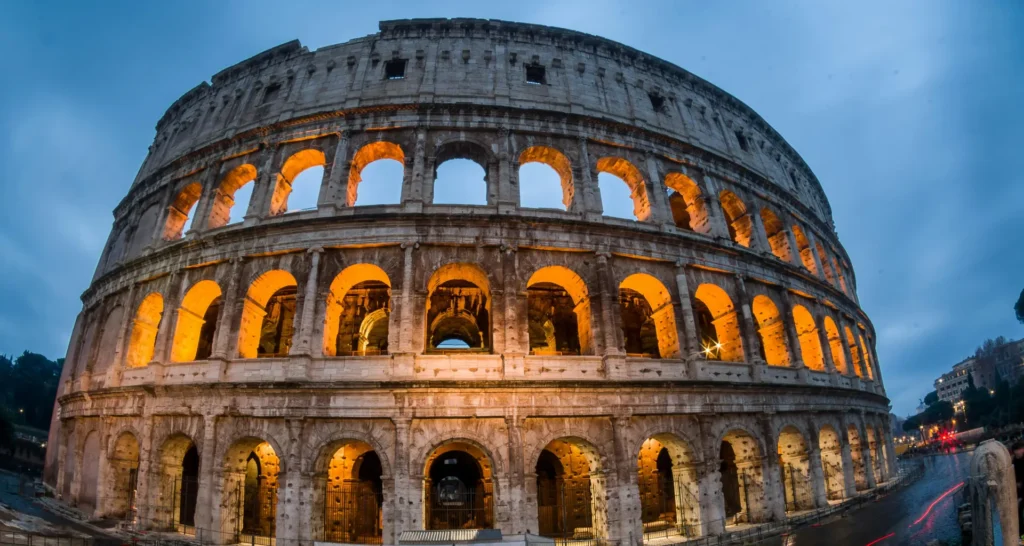
Some travelers should begin in Rome. It’s for those who prefer Europe a bit rough around the edges. Rome is not the easiest city, but it might be the one you remember most intensely. Ancient ruins sit next to busy streets. Laundry hangs over alleyways. Scooters weave through tiny gaps. This scene shows that cities are layered, imperfect, and full of life.
From a practical point of view, Rome is a crash course in balancing “must-see” sights with sanity. Yes, the Colosseum, Vatican Museums, and Trevi Fountain are magnets, and the crowds reflect that. A first-timer should plan one big sight each day. Then, they can explore Trastevere or relax in a quiet piazza with gelato. This approach leads to a richer experience than rushing from one attraction to another. You quickly learn that the in-between moments hold magic. Getting a bit lost, finding a local bar for espresso, or watching kids play soccer in a square can be special.
Rome also nudges you to be comfortable with mild unpredictability. Trains arrive a bit late, tables aren’t always ready on the dot, and opening hours can flex. Instead of seeing that as a failure of organization, many travelers find it oddly freeing. Your trip stops being a checklist and becomes a conversation with the city.
Prague: Fairytale Skyline, Real-World Comfort
If you’ve dreamed of walking through an illustrated storybook, Prague makes that dream feel real. Gothic spires, baroque facades, and cobbled squares make first-timers pause. They often stop to look up and take it all in. Beneath the beauty, the city is easy to navigate. This makes it a great choice for newcomers to Europe.
The historic center is compact, and a lot of the main sights Charles Bridge, Old Town Square, the castle complex sits within a walkable radius. That means you can spend less mental energy on logistics and more on actually being present. Public transport is cheap and easy to use. Many visitors find the prices lower than in Western European capitals. It’s a subtle but important detail: when you’re not constantly doing currency math in your head, you relax.
Prague also offers a softer introduction to language barriers. Czech isn’t a common language for first-time visitors. But, many tourist services speak English well. Menus often include several languages. You’ll easily learn basics like “thank you” and “please.” It’s a gentle way to realize you can function in a place where the alphabet and words don’t resemble your own.
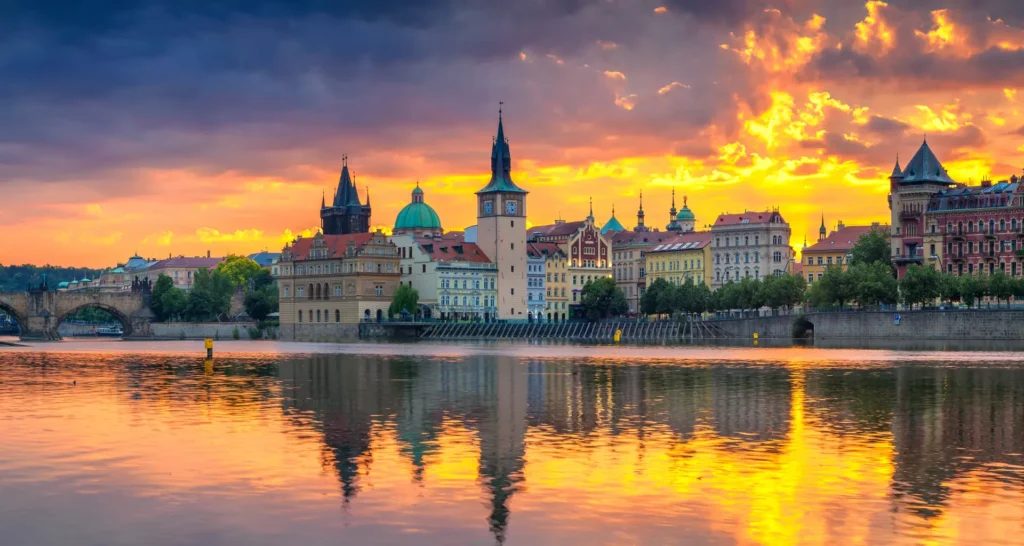
Vienna: Calm, Elegant, and Easy to Navigate
Vienna rarely screams for attention, but that’s precisely why it’s so kind to first-time travelers. It is clean, orderly, and quietly beautiful in a way that sneaks up on you. It has broad boulevards, gracefully aging buildings, and parks where locals actually sit and read. If you tend to get overstimulated by chaos, this is a city that lets you exhale.
The public transport system is one of the best in Europe. Many main sights like palaces, museums, and historic cafés are close together. You can easily reach them with a short metro ride or a nice walk. First-timers usually like how predictable it is. Timetables make sense, trams come on time, and the city seems to want people to get around easily.
Vienna is also a good teacher in the art of “indoor travel.” On a cold day, don’t “lose” time. Instead, enjoy three cozy hours at a concert or savor coffee and cake in a charming café. Focusing on cultural experiences instead of just pretty outdoor spots can change your travel plans.
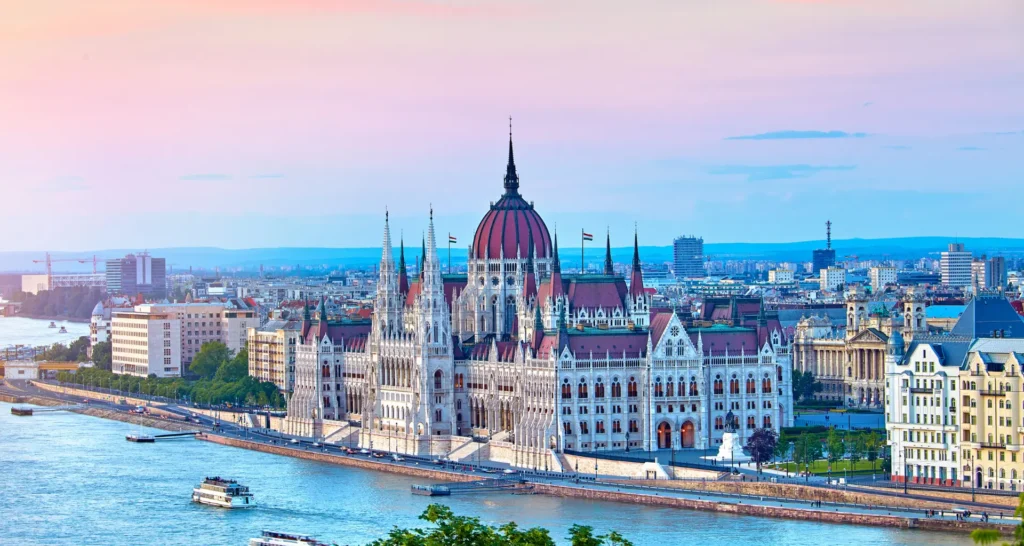
Budapest: Atmosphere on a Reasonable Budget
Budapest is a city that surprises many. Many say, “I didn’t expect to love it so much.” For first-time budget travelers, it’s a fun way to see beautiful architecture, river views, and nightlife. You can enjoy all this without the high costs of Western capitals. Buda’s hills and castles contrast with Pest’s busy streets. This makes the city feel larger. But the metro and trams help you get around easily.
One of the quiet benefits of Budapest for new travelers is how it normalizes simple pleasures as “sightseeing.” Relaxing in a thermal bath for an hour, I drift between hot and cold pools. I watch locals play chess in the steam. This is tourism at its most peaceful. You begin to see that not every day needs to be full of activity. Some days, the goal is to simply soak in your surroundings.
There is a slightly larger gap in language and signage here than in Amsterdam or London, but that is not always a bad thing. It nudges you into using maps more carefully, learning basic phrases, and occasionally asking a stranger for help. Once you’ve done that in Budapest, doing it elsewhere feels less intimidating.
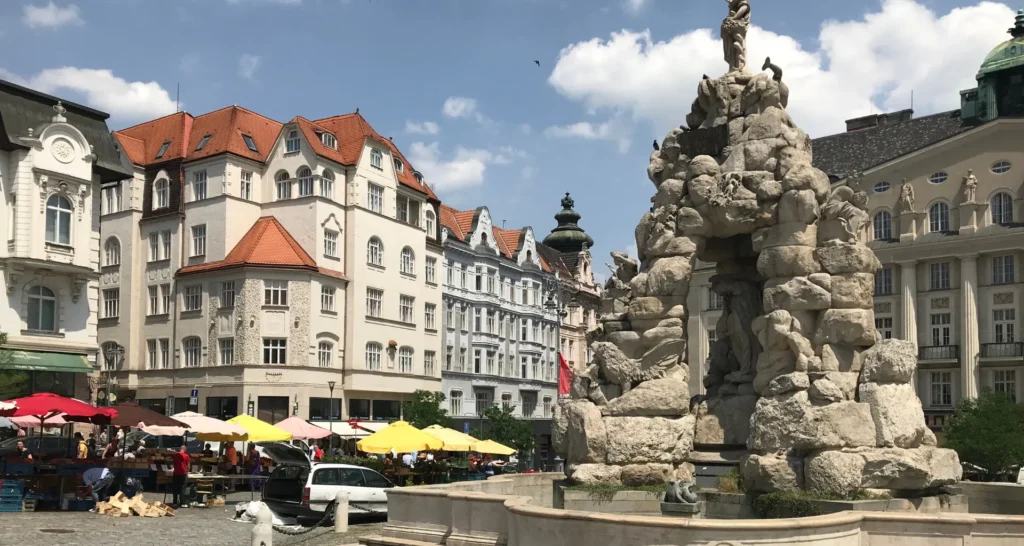
How to Choose Your “First Europe”
The real question isn’t “What’s the single best European city for first-time travelers?” It’s “What kind of first trip do you want to remember?” A smooth, low-stress introduction where you barely notice you’re navigating a foreign system? London or Amsterdam will feel like a warm-up that gently raises your confidence. A cinematic, big-feeling trip where you come home a bit dazed and sun-struck? Barcelona or Rome may leave a deeper imprint messier, but unforgettable.
If you’re drawn to aesthetics and slower rhythms, Prague, Vienna, and Budapest give you a blend of beauty, history, and manageable logistics, each with a slightly different energy from Vienna’s polished calm to Budapest’s moody, romantic edges. Pairing two of these cities on a first trip can work well: London – Paris, Amsterdam – Paris, Vienna – Prague, Budapest, Rome – Barcelona. Each combination exposes you to different languages, transit systems, and cultural habits without asking you to reinvent yourself every few days.
At some point, you realize the “best” city is less about rankings and more about alignment. The place that fits your current courage level, your budget, and your curiosity will always be the right entry point into Europe. And once you’ve had that first successful trip—navigated a metro, ordered coffee in another language, gotten lightly lost and found again—the map of Europe stops being abstract. It turns into a set of real places you’ve already started to understand, one city at a time.
Daniel Moore is the voice behind The Travel Paths, sharing travel stories shaped by culture, everyday experiences, and the quieter moments that make journeys meaningful.