
5-Day Paris Itinerary: What to See and What to Skip

How do you fit an entire city into five days when everyone you ask has a different opinion about what matters?
One travel blog swears you need three hours at the Louvre. Another insists you will regret skipping the Catacombs. Someone’s cousin says Montmartre is overrated, while Instagram suggests otherwise. You have got seventeen browser tabs open, each one contradicting the last, and suddenly planning a trip to Paris feels more stressful than exciting.
Here’s what actually happens: most people either cram too much in and remember nothing, or they follow a rigid itinerary that turns the city into a checklist. Neither approach does Paris justice. This city rewards wandering, but it also punishes poor planning. The trick is knowing which experiences deserve your limited time and which ones you can confidently skip without feeling like you missed out.
The Eiffel Tower Versus Your Sanity
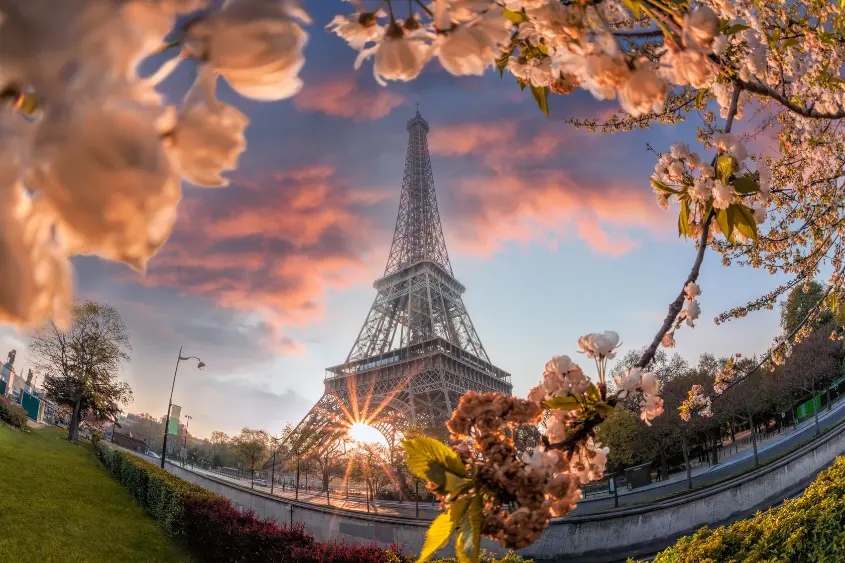
Everyone goes to the Eiffel Tower. The question isn’t whether you should see it you will, even if you don’t plan to, but how much of your day it deserves.
Booking tickets in advance and going up saves you from the soul-crushing queues, but here’s the reality: the view from the second floor is spectacular, and the view from the top is… also spectacular, just farther away. Most people can’t tell the difference in their photos. What you can tell the difference in is the two extra hours you spent waiting in line and riding elevators.
Instead, consider this: see the tower from Trocadéro at sunset, grab a drink at Café de l’Homme with the tower perfectly framed in the background, and call it done. You’ve experienced the icon without sacrificing half a day to it. If you are adamant about going up, visit at 9 AM on a weekday when online tickets actually mean something.
The deeper truth? Paris reveals itself better from street level than from observation decks. The tower is stunning, but the view of Parisian life from a café terrace teaches you more about the city than any panorama.
Louvre Strategy: The Two-Hour Window
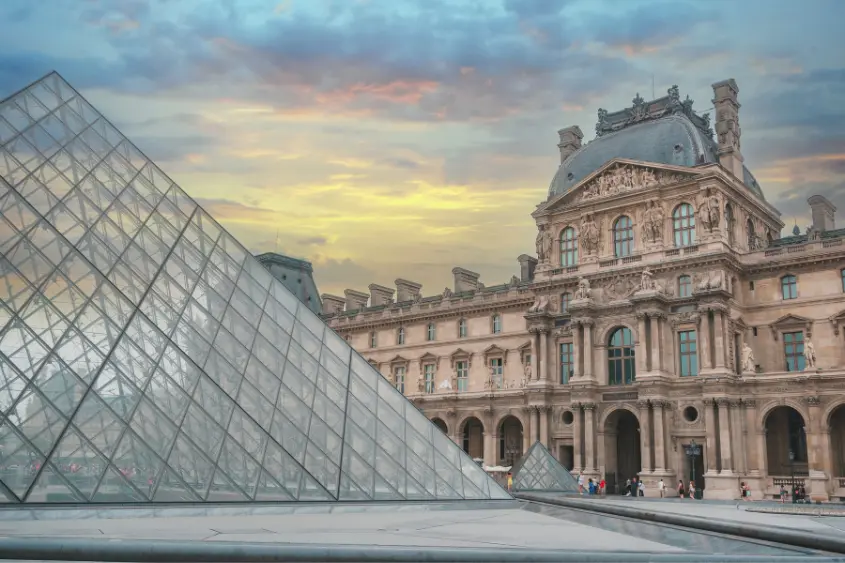
The Louvre holds 380,000 objects. You have feet that will hurt after 90 minutes of museum walking. Do the math.
People treat the Louvre like a marathon they need to complete, then spend four hours in a daze, remembering only crowds and sore feet. The museum fatigue is real, and it hits around the two-hour mark regardless of how enthusiastic you were at the entrance.
Pick a wing of Italian Renaissance, French Neoclassical, Egyptian antiquities, and actually look at the art instead of sprinting toward the Mona Lisa. Yes, see the famous lady if you must, but get there right when the museum opens, see her in relative peace, and then immediately escape to the less-mobbed wings where you can stand in front of a Caravaggio without someone’s selfie stick in your peripheral vision.
The thing they don’t tell you: the Musée d’Orsay is smaller, more manageable, and holds some of the world’s best Impressionist art in a gorgeous converted train station. If you only have energy for one major museum, this is the better choice for most people. You will leave inspired rather than exhausted.
Montmartre: Early Morning or Skip It
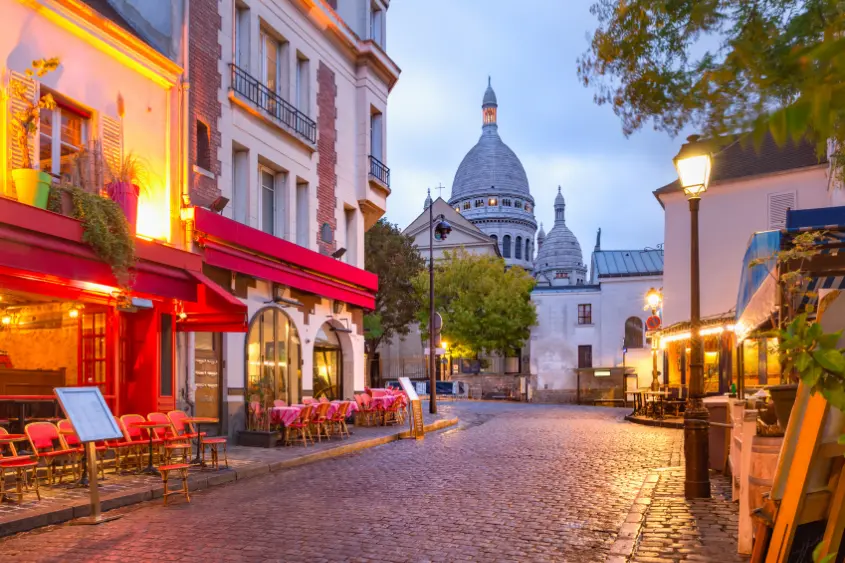
Montmartre is beautiful in theory. In practice, it’s often a sea of tourist groups shuffling past tchotchke shops selling “I ♥ Paris” keychains made in China.
But here’s the nuance: Montmartre at 8 AM is a completely different place than Montmartre at 2 PM. Early in the morning, before the tour buses arrive, the neighborhood shows you why artists fell in love with it. The light hits the Sacré-Cœur just right, the cobblestone streets are quiet, and you can actually sit at a café without fighting for space.
If you can’t do it early in the morning, honestly consider skipping it. Instead, walk through Le Marais or along Canal Saint-Martin, where Parisian life happens at a more authentic pace and fewer people are trying to sell you caricature portraits.
Notre-Dame and the Île de la Cité
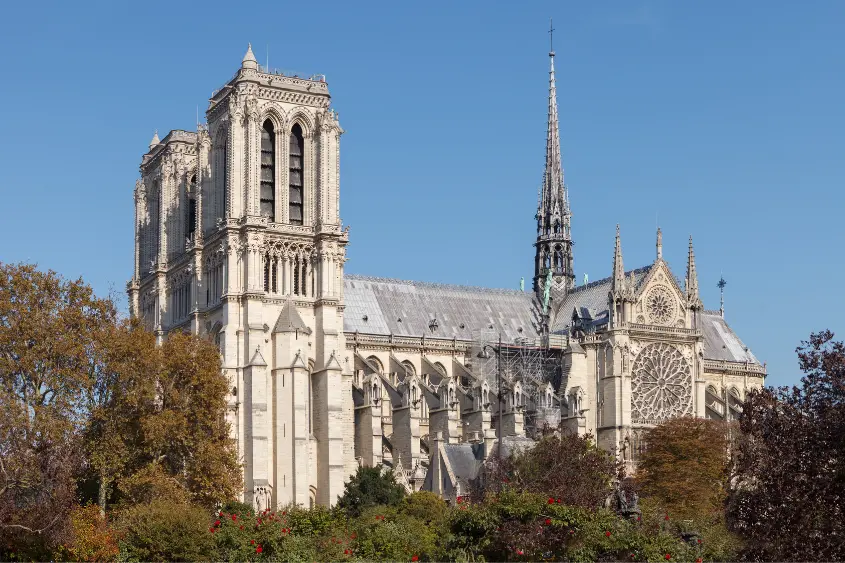
Notre-Dame is still under restoration, which actually makes the area less crowded than usual. You can’t go inside, but you can appreciate the architecture, witness history in the process of preservation, and experience the island without the overwhelming lines.
What you shouldn’t skip: Sainte-Chapelle, tucked away on the same island. The stained glass windows here are so stunning that they make most visitors stop mid-step and just stare. It’s one of those rare moments where the reality exceeds the hype, and it takes maybe an hour of your day.
The island itself deserves an evening stroll. Cross the bridges as the lights come on, watch the Seine turn golden, and understand why this city has inspired so many people to upend their lives and move here on a whim.
The Versailles Question
Versailles is magnificent. It’s also a half-day commitment that pulls you out of Paris entirely.
If you love opulent history and formal gardens, go. The Hall of Mirrors earns its reputation. But if you are more interested in the rhythm and culture of Paris itself, those four-plus hours might serve you better spent in the city.
Consider the alternative: spend that time wandering the Latin Quarter, visiting the Panthéon, getting lost in Shakespeare and Company bookshop, sitting in the Luxembourg Gardens, and having a long lunch where the waiter doesn’t rush you. You will leave with a better sense of Parisian life than you will from touring a palace that represents the monarchy’s disconnect from that very life.
What Actually Matters
Five days sounds like a lot until you are on day three, your feet hurt, and you realize you’ve been rushing through one of the world’s most beautiful cities without actually enjoying it.
The experiences that tend to stick aren’t always the famous monuments. They are the afternoon you spent reading in a park. The bakery where you tried three different pastries because you couldn’t decide. The random side street in the 5th arrondissement where the light hit the buildings in a way that made you stop walking.
Paris doesn’t require you to see everything. It requires you to see enough to understand why people keep coming back. And that understanding comes from moments of presence, not from completion. Skip what doesn’t genuinely interest you. Linger where something catches your attention. Trust that the city has enough magic to go around, even if you miss a few famous spots.
You are not trying to finish Paris. You are trying to begin a relationship with it.
Daniel Moore is the voice behind The Travel Paths, sharing travel stories shaped by culture, everyday experiences, and the quieter moments that make journeys meaningful.